The most effective low maintenance landscaping Utah options include xeriscaping with native plants like Russian Sage and replacing high-water lawns with artificial turf or gravel. Incorporating hardscaping elements such as pavers and mulch also minimizes weeding and irrigation; these strategies ensure a beautiful yard that thrives in the local climate with minimal effort.
Keeping a vibrant yard in Utah often feels like a constant battle against the relentless high desert sun and rising water costs. Many homeowners find themselves trapped in a cycle of endless weeding, mowing, and worrying over brown patches during the peak of July. At Sanpete Landscaping, we believe your outdoor space should serve as a sanctuary rather than a source of stress; it requires a strategic approach that honors our local climate. In this guide, we will explore practical strategies to transform your property into a resilient, low maintenance haven. You will learn how to leverage native plants, optimize irrigation efficiency, and integrate functional hardscaping to reduce labor. From selecting the right mulch to planning strategic seasonal cleanups, these expert tips will help you achieve a stunning landscape that thrives on its own.
The Reality of Utah High Desert Landscaping
Living in Sanpete County requires a unique approach to property management that differs significantly from standard guides for Salt Lake City. Our region sits at a higher elevation, often featuring expansive rural lot sizes that can quickly become a burden if not designed strategically. We operate in a true high desert environment, which presents the challenge of extreme temperature swings. A scorching July afternoon can easily exceed 90 degrees, while winter brings sub-zero temperatures and significant snow accumulation.
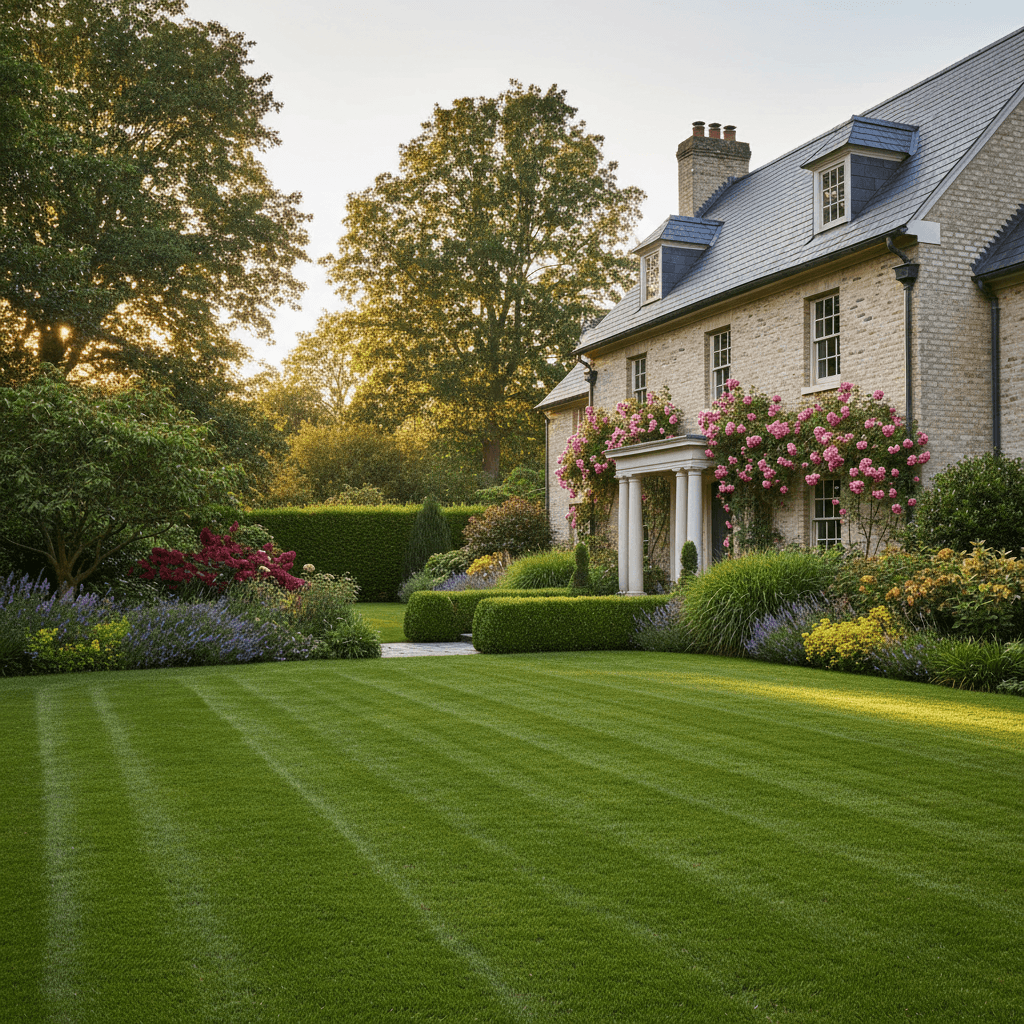
Achieving effective low maintenance landscaping Utah homeowners can actually sustain involves shifting the focus toward efficiency and water conservation. In our corner of the state, the traditional high-water lawn is becoming increasingly impractical due to rising resource costs and the sheer labor required to keep it green during arid summers. It is important to remember that low maintenance does not mean no maintenance. Rather, it means creating a resilient landscape that requires minimal intervention to thrive.
By utilizing comprehensive outdoor services tailored to the high desert, you can move away from the constant cycle of mowing and heavy watering. The Sanpete Landscaping team prioritizes designs that handle local frost cycles and intense UV exposure without requiring hours of manual labor every weekend. This foundation allows you to enjoy your outdoor space without becoming a slave to its upkeep.
1. Prioritize Xeriscaping with Native Utah Plants
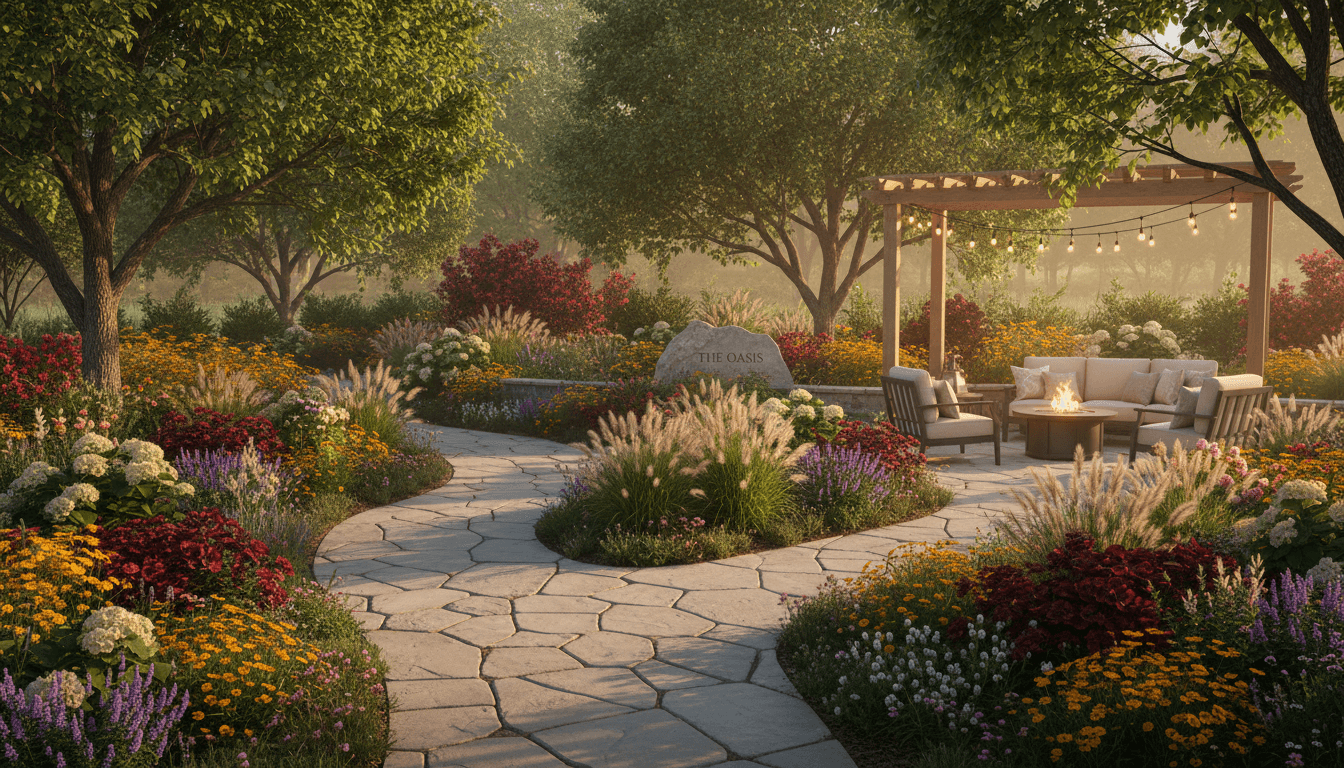
Transitioning to low maintenance landscaping Utah residents can depend on begins with a proper understanding of xeriscaping. Many people mistakenly equate xeriscaping with "zeroscaping," imagining a yard filled only with gravel and prickly cacti. True xeriscaping is the practice of designing a lush, beautiful landscape that is specifically engineered for our arid climate. By choosing plants that have evolved to survive in Sanpete County, you reduce the need for supplemental irrigation and chemical fertilizers.
Native and climate-adapted plants like Russian Sage and Rabbitbrush provide vibrant colors and textures while requiring very little intervention. For structural height and year-round greenery, the Blue Spruce is a regional staple, while Lavender offers fragrance and drought resistance. When arranging these, professional designers often follow the "Rule of 3." Planting in odd numbers, such as groups of three, five, or seven, prevents the landscape from looking overly formal or man-made; it mimics the organic clusters found in nature.
The difference in resource consumption between a traditional turf lawn and a native plant bed is significant. According to USU Extension water-wise recommendations, established native plants can thrive with a fraction of the water required by Kentucky Bluegrass. This efficiency is achieved through hydrozoning, or grouping plants with similar water needs together to ensure no drop is wasted.
Landscape Type | Typical Water Requirement (Per Week) | Maintenance Frequency |
|---|---|---|
Traditional Turf Lawn | 1.5 – 2.0 Inches | Weekly mowing and edging |
Native Xeriscape Bed | 0.0 – 0.5 Inches | Seasonal pruning |
By reducing the square footage of thirsty grass and replacing it with these hardy alternatives, you create a self-sustaining environment. The Sanpete Landscaping team specializes in selecting species that can withstand our local frost cycles and summer heat. This approach ensures your yard remains attractive throughout the year without the constant demand for manual watering.
2. Modernize with Professional Automated Irrigation
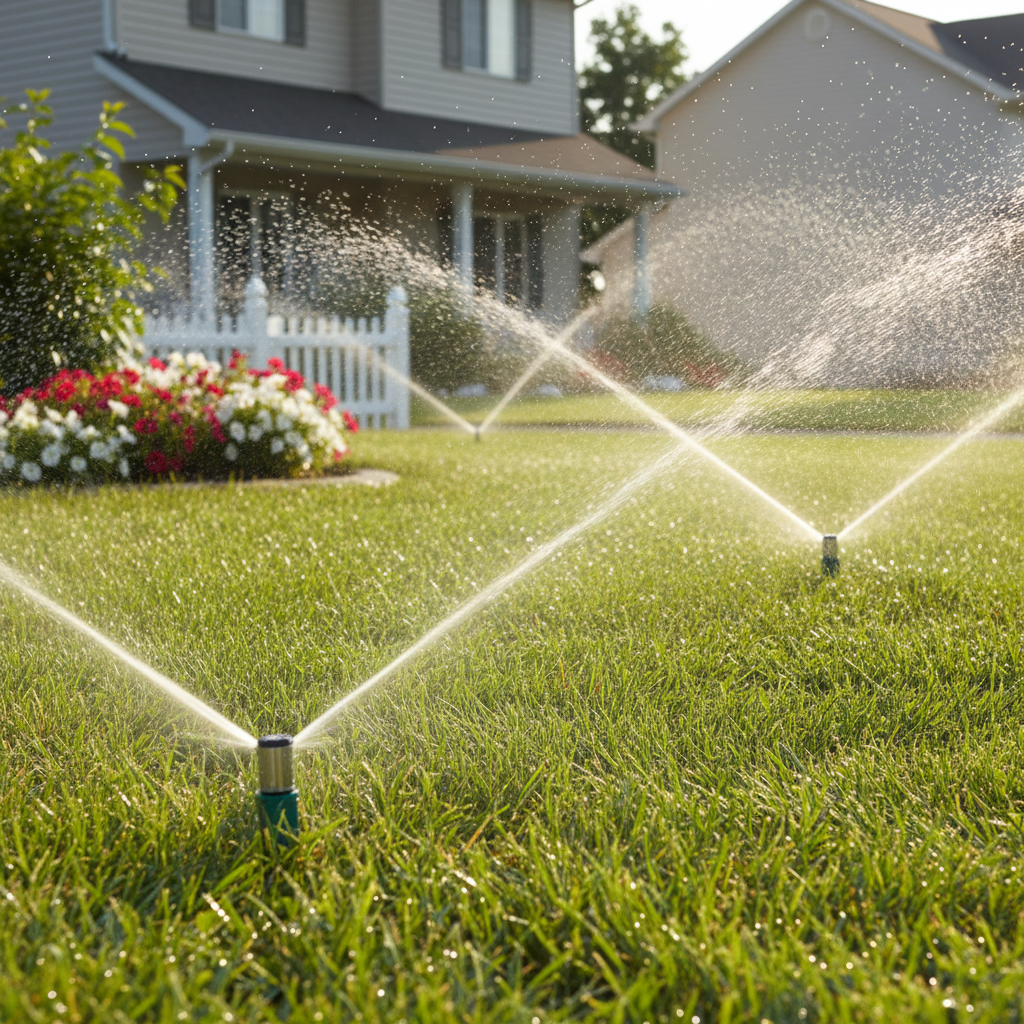
While choosing the right plants is a significant first step, the method of water delivery is what truly defines a hands-off property. Modern automated irrigation systems are the primary tool for achieving low maintenance landscaping Utah homeowners can rely on throughout the hottest months. Manual watering is often plagued by human error, leading to either underwatered, stressed plants or expensive overwatering that leaches nutrients from the soil.
Professional automation removes this guesswork through the use of smart controllers. These devices monitor local weather data in real time, automatically pausing scheduled cycles if significant rain is detected or if high winds would simply blow the water away from its intended target. In Sanpete County, where afternoon gusts are common, this precision prevents waste and ensures your investment is protected without you ever having to touch a valve or a garden hose.
A key component of this modernization is the transition from broad spray heads to localized drip irrigation for garden beds. Traditional sprinklers often saturate the entire soil surface, which inadvertently waters dormant weed seeds and encourages them to sprout across your mulch. Drip systems deliver water directly to the root zones of your desired plants at a slow, steady rate. This targeted approach keeps the surrounding soil dry, significantly reducing the labor required for hand-weeding. By integrating these technologies, the Sanpete Landscaping team creates a system that manages itself, allowing you to enjoy a lush environment that survives on precision rather than constant oversight.
3. Reduce Mowing Area with Functional Hardscaping
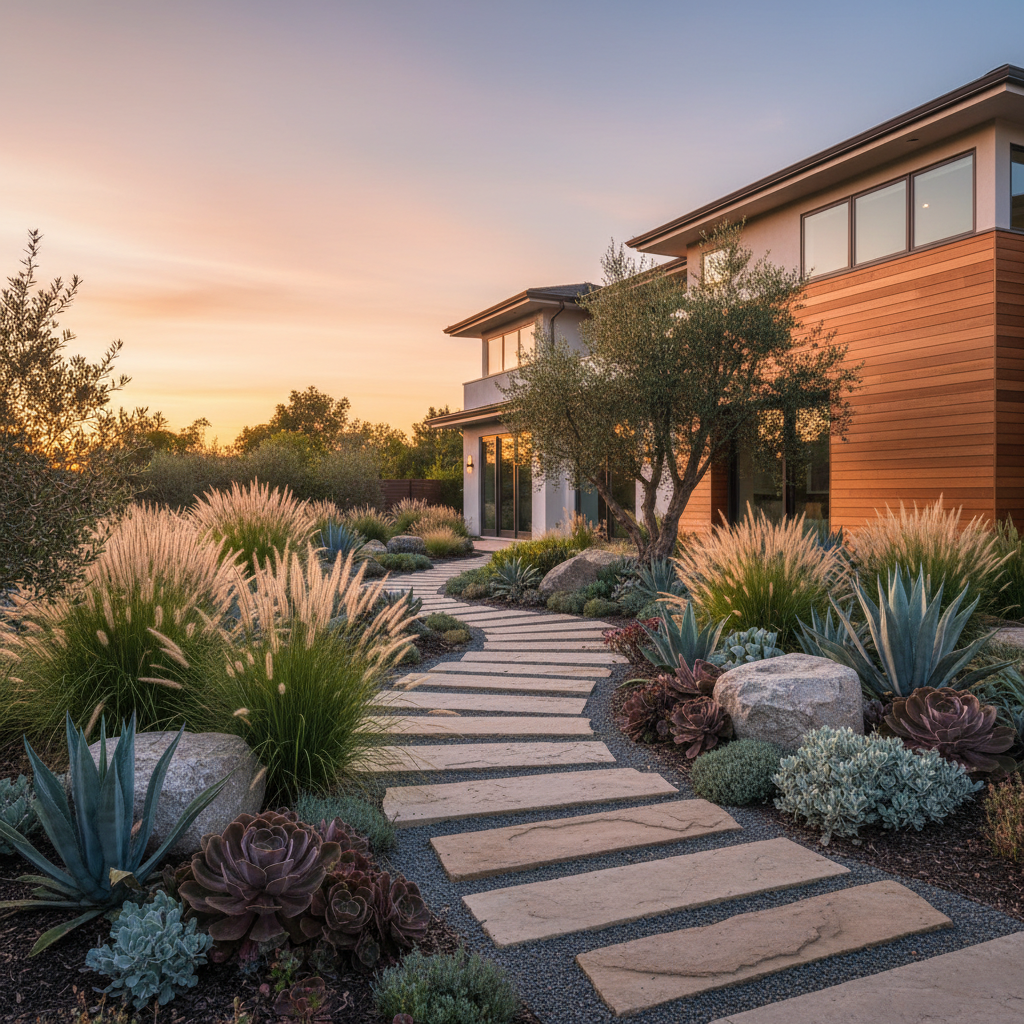
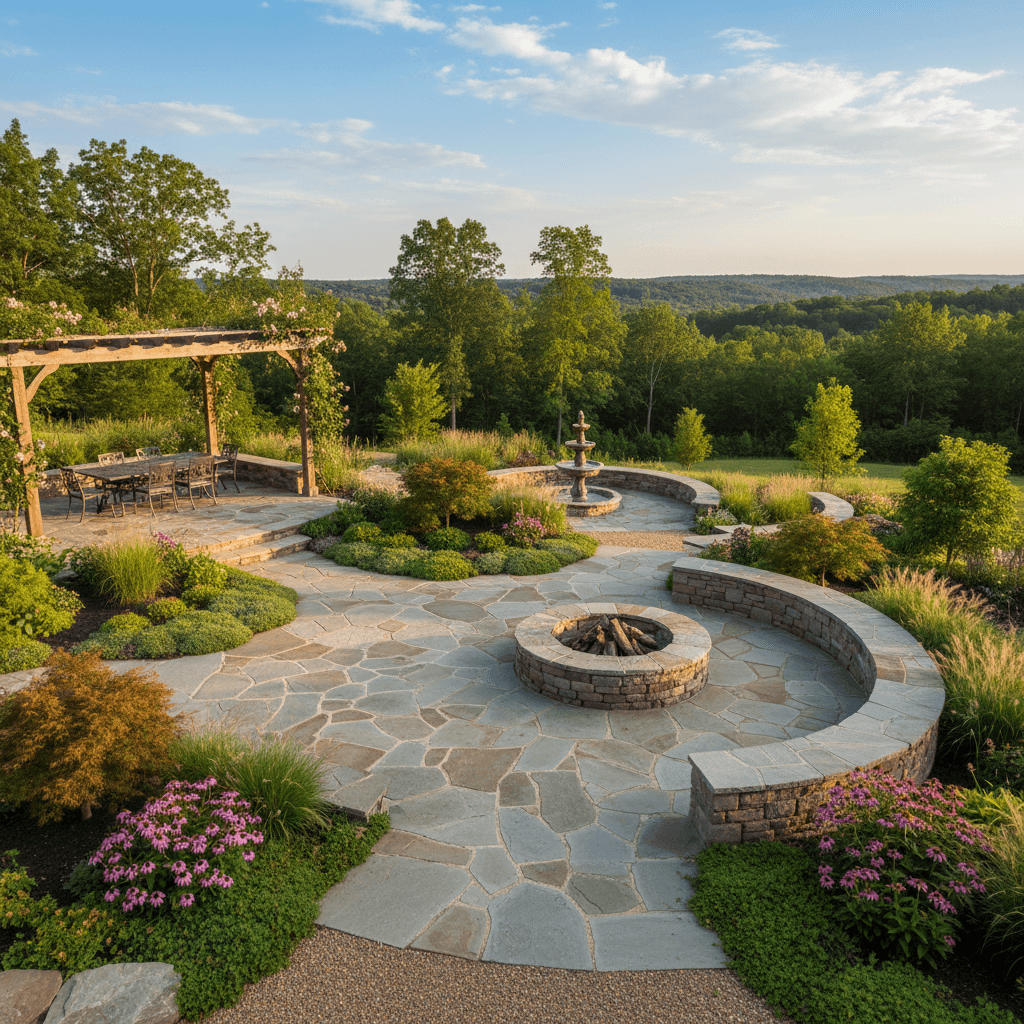
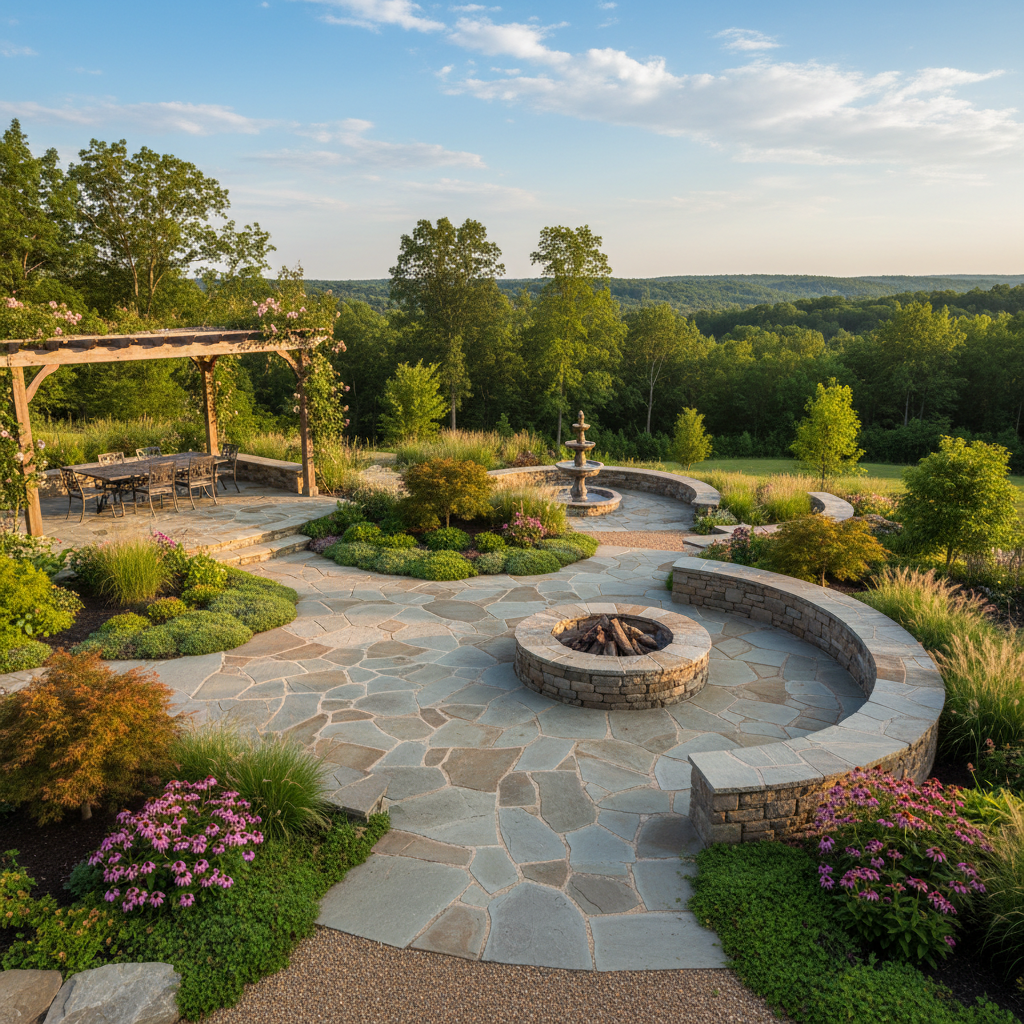
While smart watering saves time, the most effective way to achieve low maintenance landscaping Utah homeowners can enjoy year round is by simply having less grass to manage. Areas like steep slopes, narrow side yards, or odd corners are often more trouble than they are worth to mow and edge. Replacing these high-effort zones with functional hardscaping, such as pavers, flagstone paths, or gravel beds, permanently removes them from your chore list.
Stone elements carry a distinct aesthetic value in the Sanpete County area, echoing the rugged beauty of our local canyons and mountain ranges. Beyond the visual appeal, hardscaping represents a strategic financial decision. While the initial investment for professional stone work is higher than seeding a lawn, it offers the lowest long-term maintenance requirements of any landscape feature. There is no watering, fertilizing, or seasonal replanting required for a stone path.
For those looking for the least expensive way to landscape without sacrificing functionality, materials like pea gravel or local wood mulch serve as excellent budget friendly alternatives to premium stone pavers. These materials provide immediate weed suppression and define clean borders at a fraction of the cost. The Sanpete Landscaping team can help design these spaces to ensure proper drainage and soil stability, preventing the common issues that arise when homeowners attempt DIY hardscaping on our varied Utah terrain. By incorporating these durable materials, you transition your yard from a series of tasks into a cohesive, comprehensive outdoor services solution that values your time.
4. Use Mulch to Suppress Weeds and Retain Moisture
Integrating mulch is one of the most effective ways to achieve low maintenance landscaping Utah homeowners can implement immediately. A layer of three to four inches of material acts as a protective barrier for the soil. This "Mulching Magic" strategy works by blocking sunlight from reaching weed seeds, effectively stopping them before they germinate. During the intense July heat common in Sanpete County, this layer also insulates plant roots, keeping soil temperatures stable and preventing the rapid evaporation that stresses thirsty plants.
For organic options, shredded bark is a reliable choice because it interlocks well and stays in place during high desert winds. If you prefer a more permanent solution, local river rock provides a clean look that does not require annual replenishment. To maintain visual interest without the need for constant replanting, the Sanpete Landscaping team recommends the 70/30 rule. This design principle allocates 70 percent of the landscape to structure, such as evergreens and hardscape, and only 30 percent to seasonal color or perennials. This balance ensures your property retains its shape and curb appeal throughout the snowy winter months while limiting the labor needed for deadheading and seasonal swaps. Utilizing these comprehensive outdoor services allows you to focus on the beauty of your yard rather than its daily upkeep.
5. Invest in Strategic Seasonal Cleanups
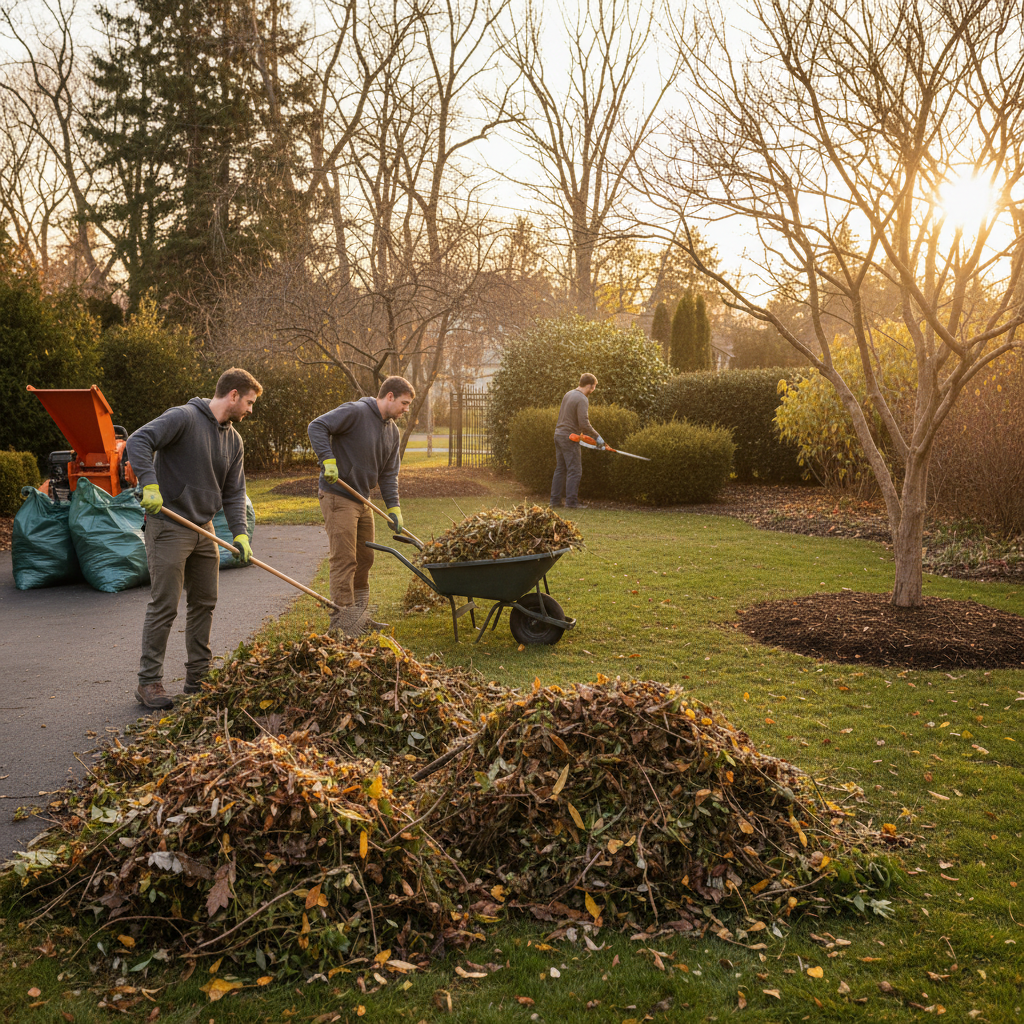
The secret to achieving low maintenance landscaping Utah homeowners can enjoy all summer lies in strategic seasonal bursts of activity. By investing in thorough spring and fall cleanups, you front-load the labor, which prevents small issues from turning into season-long chores. A professional spring cleanup involves clearing out organic debris that accumulated over winter and performing precision pruning. Pruning during the dormant or early spring phase stimulates healthy growth and removes potential nesting sites for pests; it also prevents the spread of fungal diseases that thrive in damp, neglected garden beds.
The Sanpete Landscaping team handles these physically demanding tasks, from clearing heavy leaf litter to structural trimming. This professional intervention ensures that your primary responsibility during the peak growing season is limited to light deadheading and enjoying the view. As the year winds down, a fall cleanup prepares your soil and plants for the harsh Sanpete County winter, reducing the risk of snow mold and winter kill.
Furthermore, a low-maintenance lifestyle in Utah extends into the coldest months. Integrating professional snow removal into your comprehensive outdoor services ensures that heavy accumulation does not damage your hardscaping or block access to your property. Managing the heavy lifting during the transitions between seasons keeps your landscape resilient and your weekend schedule clear.
Low Maintenance Landscaping on a Budget in Utah
Creating low maintenance landscaping Utah homeowners can afford often requires a phased approach rather than a single, high cost overhaul. If a complete $50,000 renovation is not currently in the budget, focus your initial investment on high impact areas like the front entrance. This strategy builds immediate curb appeal and allows you to expand the design into the backyard as funds become available in future seasons.
One of the most effective ways to save is by purchasing smaller starter plants. While a mature five gallon shrub provides instant gratification, one gallon specimens are significantly cheaper and often establish more resilient root systems in our rocky Sanpete County soil. Given a few growing seasons, these smaller plants will fill the space just as well as their more expensive counterparts while adapting better to the local environment.
Sourcing materials locally is another practical way to reduce costs. Freight and delivery fees for heavy materials like stone or mulch can quickly inflate a budget when ordered from larger hubs like Salt Lake City. By utilizing local Sanpete County river rock or wood mulch, you save on transportation while ensuring the materials match the natural aesthetic of our region. The Sanpete Landscaping team can help you prioritize these phases, ensuring that each step integrates into a long term plan for comprehensive outdoor services that fit your financial goals.
Frequently Asked Questions About Utah Landscaping
The most hands-off approach for our region involves a combination of xeriscaping, automated irrigation systems, and heavy mulching. By replacing thirsty turf with native perennials, you eliminate the need for mowing and frequent fertilizing. When these beds are paired with a drip system and decorative rock, weed growth is suppressed and manual watering is largely eliminated.
When selecting plants, focus on species that survive high-altitude winters and arid summers. The Sanpete Landscaping team recommends Yucca for its structural form, Blanket Flower for seasonal color, and Apache Plume for its drought tolerance. These native options require minimal intervention once established.
Budgeting for low maintenance landscaping Utah projects varies based on lot size and material choices. A simple refreshment with mulch and native plants might cost a few thousand dollars, while a complete overhaul with extensive hardscaping can range from $15,000 to over $50,000. Phasing the project allows you to prioritize high-impact areas first, using local materials to manage costs while reducing the long term labor requirements of your property.
Creating a beautiful, low-maintenance yard in Utah is all about making smart choices that work with our unique climate. By prioritizing native plants and efficient irrigation, you can spend more time enjoying your outdoor space and less time maintaining it. If you want expert help designing a landscape that is both stunning and easy to manage, we are here to support your vision. You can learn more about our team and how we approach local landscaping projects to find the perfect fit for your home.