Effective Utah water wise landscape design combines native, drought tolerant plants with strategic hardscaping and grading to create sustainable, low-maintenance yards. Homeowners can achieve stunning results by selecting species like Persian Ironwood and incorporating swales that direct natural rainfall toward planted areas. This approach minimizes water consumption while ensuring a vibrant outdoor space that thrives in local conditions.
Living in Sanpete County means dealing with the harsh reality of Utah’s high desert climate. You likely find yourself battling rising utility costs or watching your lawn turn brittle under the summer sun, despite your best efforts. For a property in central Utah, landscaping is not just about curb appeal; it is about creating a resilient ecosystem that thrives on minimal resources. At Sanpete Landscaping, we believe that sustainability should never come at the cost of beauty. In this guide, we will explore the foundational principles of water wise design, from the strategic 70/30 planning rule and soil enrichment to selecting the hardiest native species for our region. You will also learn how automated irrigation and modern turf alternatives can transform your yard into a sustainable sanctuary that remains vibrant even in the peak of July.
The Importance of Water Wise Landscaping in Central Utah
Living in the Sanpete Valley means navigating a semi-arid climate where every gallon of water matters. For homeowners in Ephraim, Manti, and Mount Pleasant, water conservation is not just an environmental choice; it is a practical necessity for long-term property management. Implementing a professional Utah water wise landscape design allows you to maintain a lush, vibrant outdoor space without the excessive water requirements of traditional East Coast style lawns.
Many people confuse this approach with xeriscaping, often picturing a yard filled solely with gray gravel and a few lonely cacti. In reality, modern water-wise design focuses on the strategic marriage of beauty and efficiency. It utilizes a diverse palette of hardy perennials, native shrubs, and expert landscape design and installation techniques to create texture and color that thrive in our specific soil and sun exposure.
The local advantages are significant. Beyond lowering monthly utility bills, a well-planned landscape increases property value by providing curb appeal that remains resilient even when drought restrictions are in place. By integrating automated irrigation systems and drought-tolerant plant choices, you create a sustainable environment that looks intentional and sophisticated, rather than just surviving the summer heat.
Start with a Smart Plan: The 70/30 Rule and Zoning
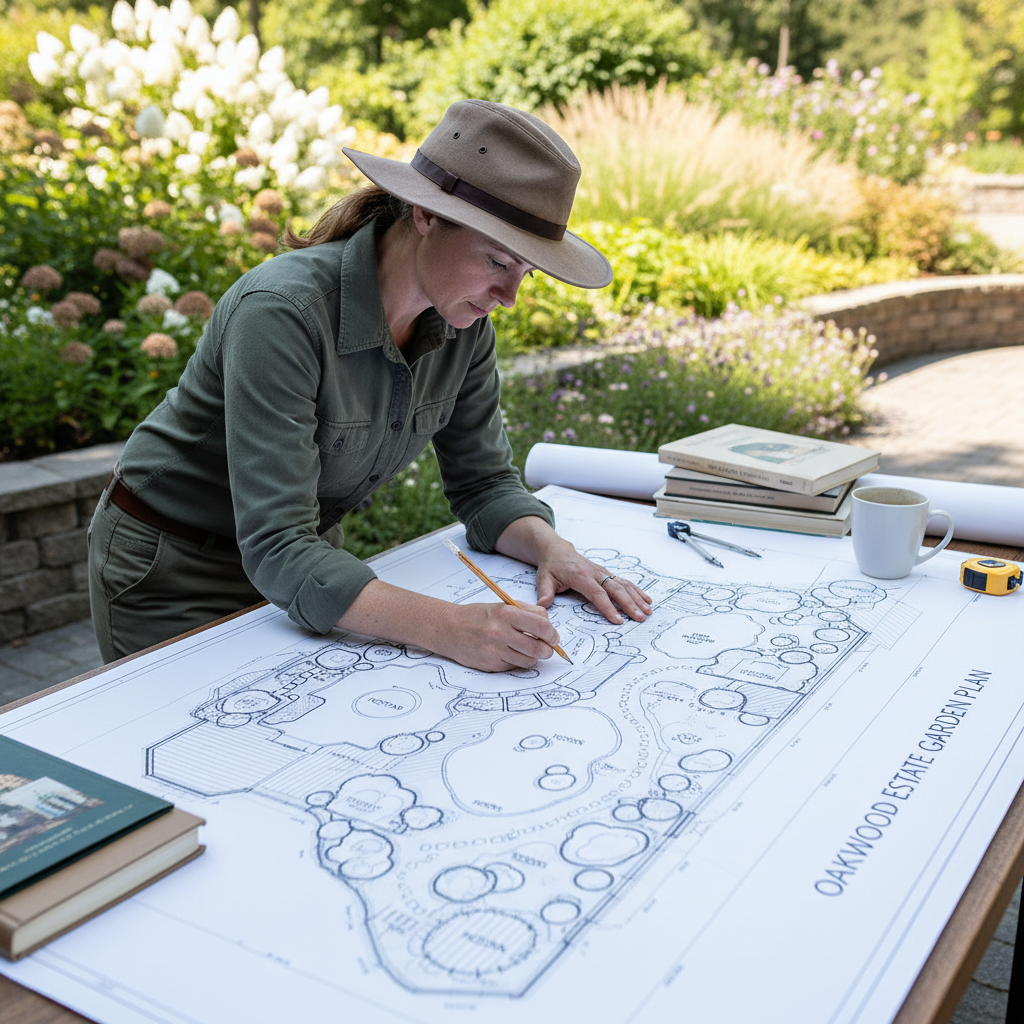
Successful implementation of a Utah water wise landscape design begins with a blueprint that accounts for both plant maturity and hydration requirements. One of the most effective strategies for local properties is the 70/30 rule. This principle suggests that at least 70 percent of your landscape should be covered by living plants once they reach their full size. While rock mulch is a popular aesthetic choice in the Sanpete Valley, relying too heavily on hardscapes can lead to significant heat retention around your home. A canopy of living foliage provides essential evaporative cooling, reduces dust, and creates a more inviting environment than a yard filled entirely with gravel.
Strategic layout also involves a technique called hydrozoning. This method groups plants with similar water requirements into specific irrigation zones. In a typical unmanaged yard, a homeowner might mistakenly plant a thirsty hydrangea right next to a drought-hardy Russian Sage. To keep the hydrangea alive, the sage is often overwatered, leading to root rot or excessive, weak growth. By hydrozoning, you ensure that high-water plants are grouped together in one area while low-water species thrive in another, allowing your automated irrigation systems to run efficiently without wasting resources.
Investing in a professional landscape design and installation plan acts as your roadmap to avoid costly errors like overcrowding or improper zone placement. When you account for the mature width of shrubs and the specific microclimates of your property, such as south-facing slopes in Ephraim or shaded corners in Mount Pleasant, you ensure the long-term health of your investment. Starting with a clear plan prevents the trial and error that often plagues DIY projects in our challenging high-desert climate.
Soil Preparation and the Role of Mulch
Proper execution of a Utah water wise landscape design requires looking beneath the surface. Many homeowners focus on the foliage while ignoring the foundation. In the Sanpete Valley, soil is frequently alkaline or heavy with clay. These conditions can choke root systems or cause water to pool and evaporate before reaching the plant. Amending the soil with high quality organic compost is a necessary step during landscape design and installation. This process improves soil structure, allows for better aeration, and increases the ground's ability to hold onto moisture during the peak of July.
Choosing the right mulch is equally critical for moisture retention. Organic mulches, like bark nuggets or shredded wood chips, are excellent for cooling the soil and slowly adding nutrients as they decompose. However, they do require maintenance and periodic refreshing during seasonal yard cleanups. Inorganic mulches, such as river rock or gravel, are a permanent fixture in many Utah yards because they withstand canyon winds. The trade off is that rock absorbs and radiates heat, which can stress sensitive plants and increase local temperatures. A hybrid approach often yields the best results. Use inorganic stone for high traffic pathways and drainage areas, while reserving organic wood mulch for planting beds to keep root temperatures stable and water usage low.
Best Native and Adaptive Plants for Utah Landscapes
Once the soil is prepared, selecting the right vegetation is the most visible and rewarding stage of the process. For a successful Utah water wise landscape design, we prioritize a mix of native and adaptive species. Native plants are those that evolved specifically within the Great Basin and the surrounding mountain ranges, meaning they are biologically programmed to handle our harsh winters and parched summers. Adaptive plants are non-native species originating from similar high-desert climates that flourish here without becoming invasive or demanding excessive water.
In the intense, high-elevation sun of the Sanpete Valley, these selections must withstand high UV exposure and low humidity. The following species are curated for their ability to thrive in local conditions while contributing to a sophisticated aesthetic.
### Perennials These plants provide the color and texture that define a water-wise garden. Most prefer the full sun found in open lots in Ephraim or Fairview. - Russian Sage: Known for its silver foliage and airy purple flowers, it thrives in poor soil and intense heat. - Penstemon (Beardtongue): With many varieties native to Utah, these offer striking tubular flowers that attract pollinators while requiring minimal supplemental water once established. - Lavender: An adaptive favorite that loves the well-drained, alkaline soils common throughout our county.
### Shrubs Shrubs provide the structural backbone of the yard and offer essential habitat for local wildlife. - Utah Serviceberry: This native shrub produces white spring blooms followed by berries, and it handles the transition from snowy winters to hot summers with ease. - Rabbitbrush: A rugged native that produces vibrant yellow flowers in late summer when many other plants begin to fade.
### Trees Trees are vital for providing shade and cooling your home, but they must be selected carefully to ensure they do not become water liabilities. - Flowering Pear: Often chosen for its narrow growth habit and white spring blossoms, it is highly adaptable to various soil types. - Persian Ironwood: While not native, it is exceptionally drought-tolerant and offers stunning multi-colored fall foliage, making it a sophisticated choice for modern residential landscape design and installation.
Plant Category | Recommended Species | Water Need | Sun Exposure |
|---|---|---|---|
Perennial | Penstemon | Very Low | Full Sun |
Shrub | Utah Serviceberry | Low | Full Sun to Part Shade |
Tree | Persian Ironwood | Low | Full Sun |
Selecting these species reduces the long-term demand on your automated irrigation systems and simplifies the work required during seasonal yard cleanups. By choosing plants that are naturally compatible with the Sanpete Valley climate, you create a landscape that grows more resilient and beautiful each year.
Drought Tolerant Grass Utah: Rethinking the Lawn
Many homeowners assume that a successful Utah water wise landscape design requires the complete abandonment of turf. This is a common misconception. Lawns still serve a vital role in local yards, but the focus is shifting toward selecting drought tolerant grass utah varieties that require significantly less moisture than traditional Kentucky Bluegrass. Fine Fescues are an excellent choice for the Sanpete Valley, offering a deep green color and high shade tolerance with much lower water demands. For areas with intense sun exposure, Buffalo Grass is a hardy warm-season option that thrives on very little supplemental water once established.
Efficiency also comes from rethinking placement. We recommend prioritizing functional turf, which means installing grass only in specific, high-traffic areas where children play or pets roam. Decorative turf, such as the thin strips often found in side yards or on steep parking strips, often sucks up water without providing any usable space. By limiting lawn to these purposeful zones during the landscape design and installation phase, you can program your automated irrigation systems to target only what is necessary, significantly reducing both your water bill and the time spent on seasonal yard cleanups.
Automated Irrigation: The Secret to Long Term Water Conservation
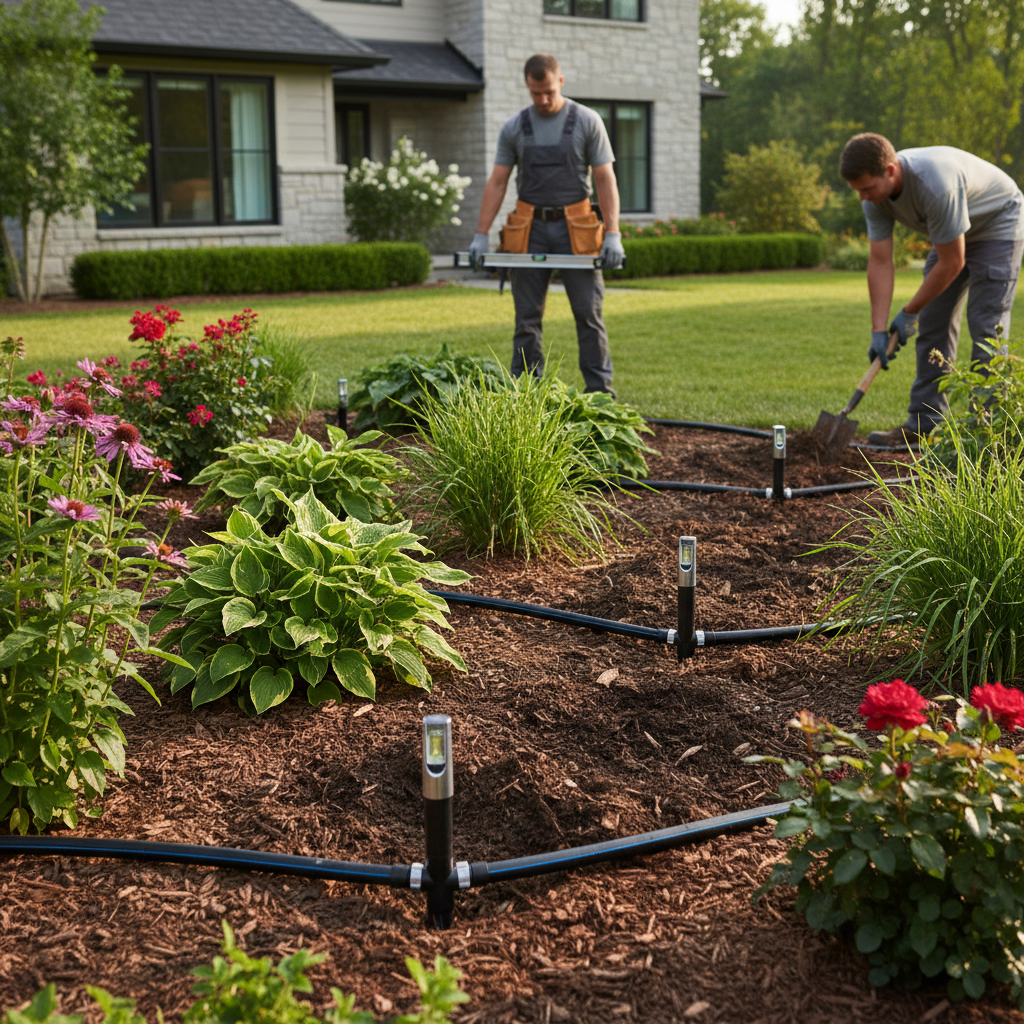
Even the most thoughtful Utah water wise landscape design will fail without a precise delivery system. The mechanics of how you water are just as important as the plants you choose. Modern automated irrigation systems move away from the set-it-and-forget-it mentality of old-fashioned timers. Instead, they rely on smart controllers that sync with local weather stations throughout Sanpete County. These controllers automatically adjust watering schedules based on real-time data, such as an unexpected rain shower in Manti or a particularly windy afternoon in Fairview that increases evaporation rates.
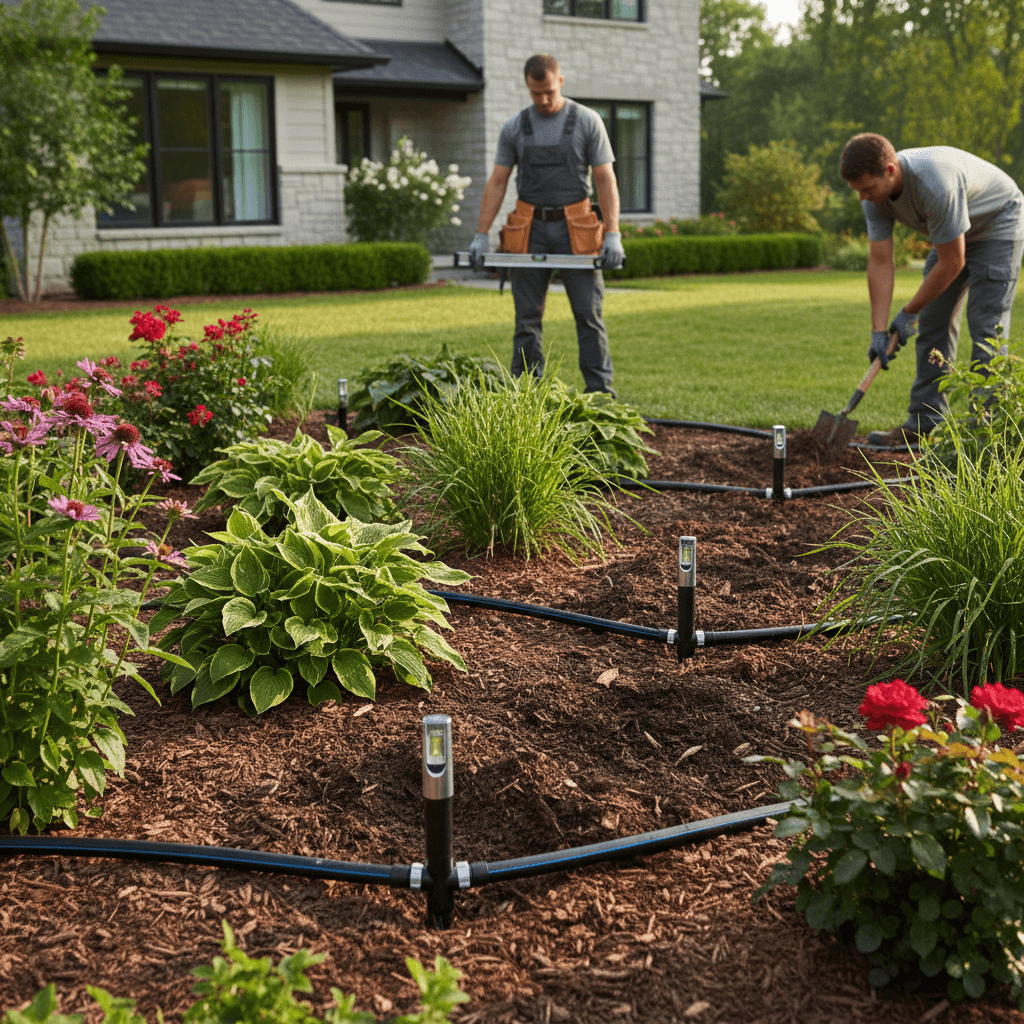
For planting beds, drip irrigation is the gold standard. Unlike overhead sprays that lose significant moisture to the wind and sun, drip systems deliver water directly to the root zone through a network of specialized emitters. This targeted approach prevents weed growth in the surrounding soil and keeps foliage dry, which reduces the risk of fungal diseases. When we handle the landscape design and installation of these systems, we ensure that high-flow zones for functional turf are completely separated from low-flow zones for native shrubs. This technical precision ensures your yard remains healthy during a drought while keeping your water bill manageable. Regular maintenance during seasonal yard cleanups also allows for checking emitters and valves to ensure the system remains at peak efficiency year after year.
2026 Landscaping Trends: Beauty Meets Sustainability
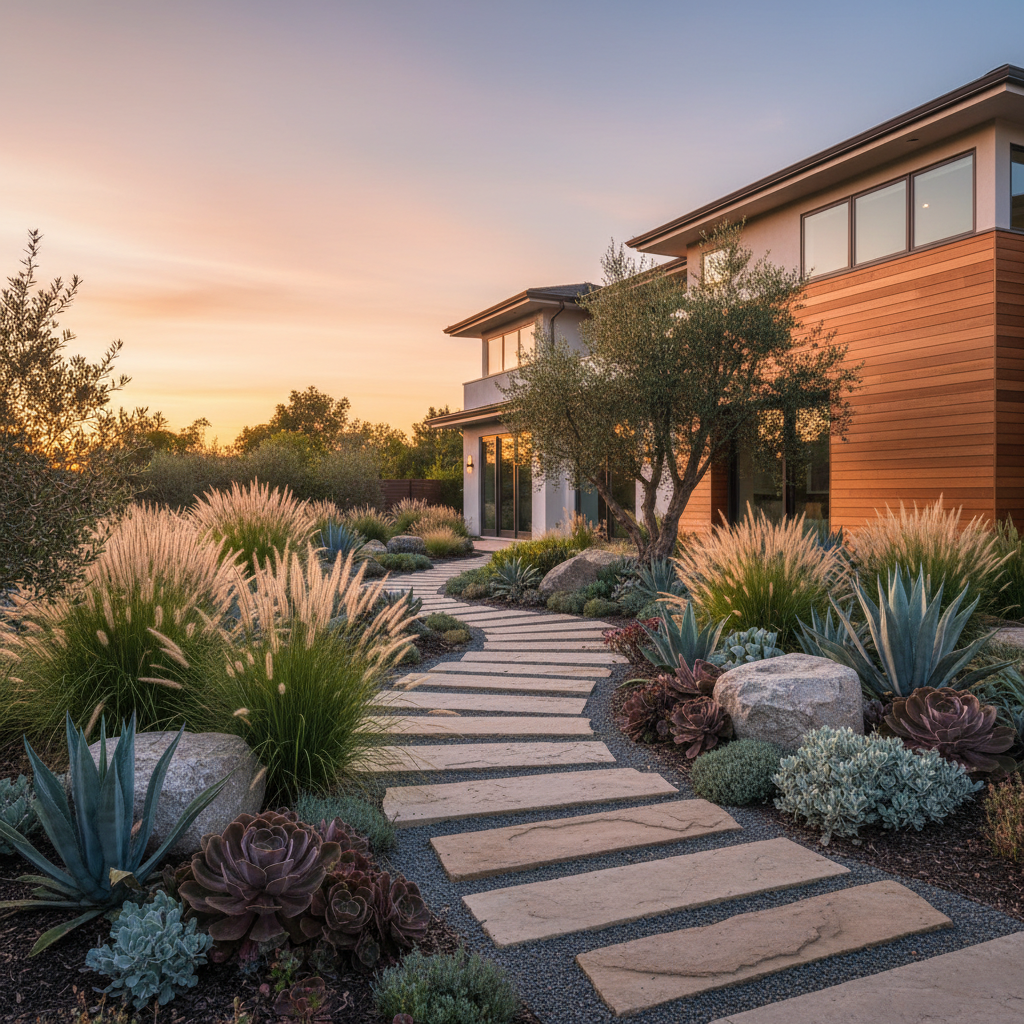
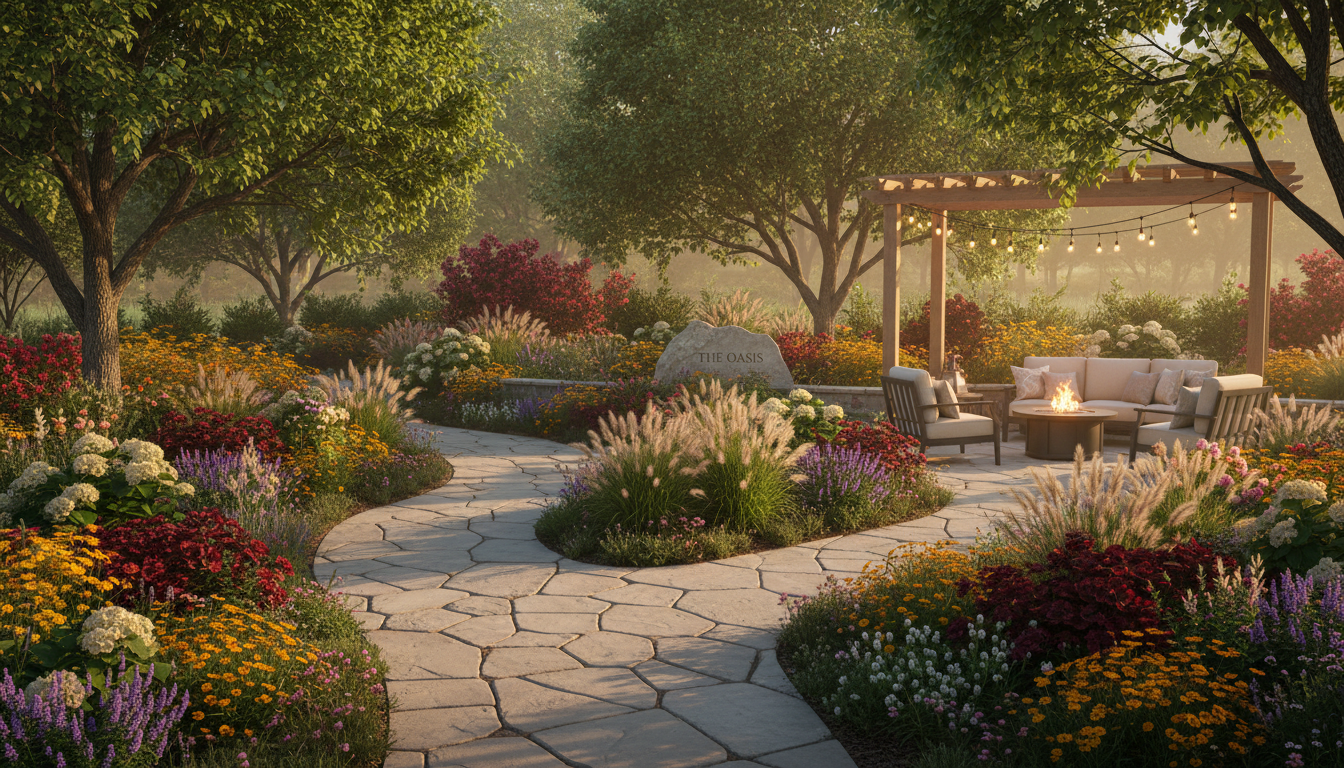
Looking toward 2026, the evolution of Utah water wise landscape design is defined by "structured wildness." This trend balances the rugged, untamed beauty of the Sanpete Valley with modern architectural precision. Homeowners are increasingly moving away from loose, uncontained gardens in favor of native grasses and flowering perennials housed within clean, modern hardscape beds. Using materials like weathered steel or sleek concrete provides a sharp frame that makes drought-hardy plants look intentional and sophisticated rather than overgrown.
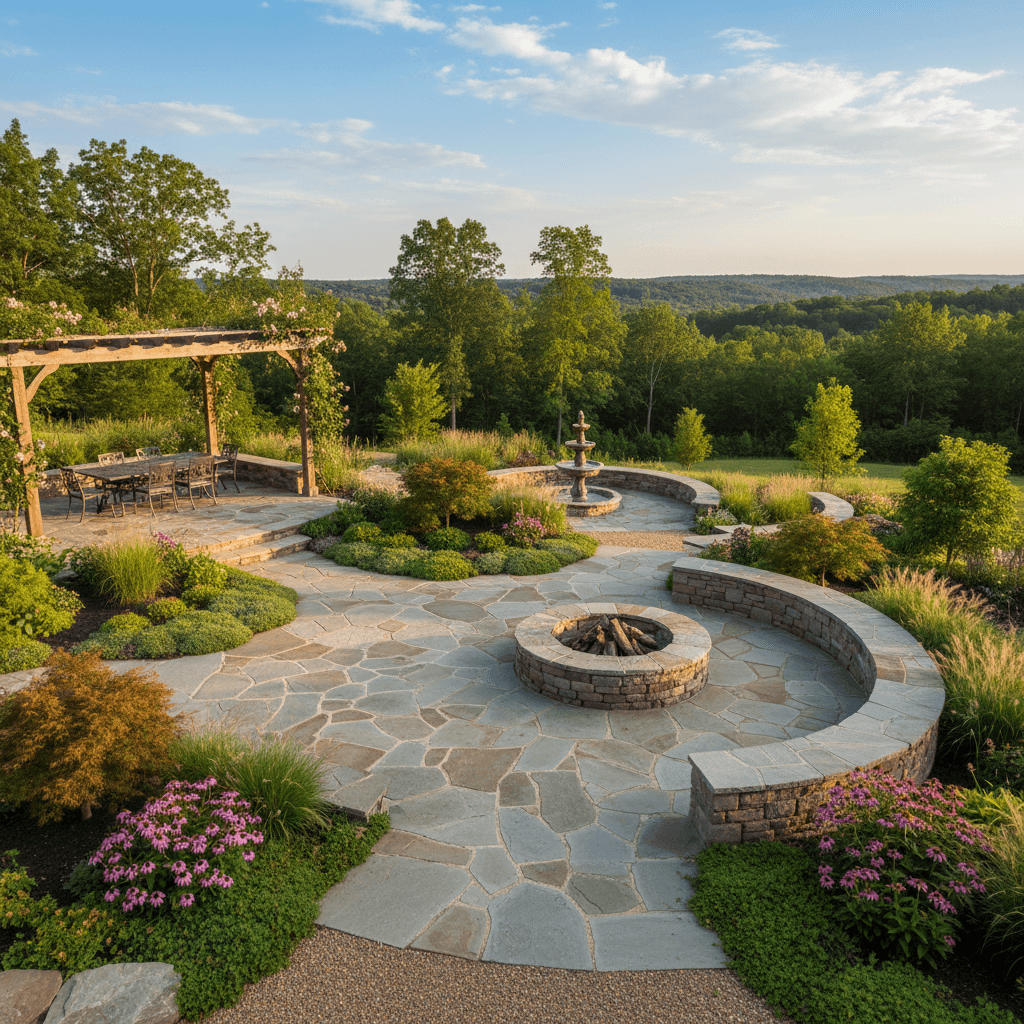
Another major shift involves the rise of outdoor living rooms that replace traditional, high-maintenance lawns. By trading thirsty turf for expansive paver patios and natural stone pathways, you create functional space for entertaining that requires zero water. These stone elements add vital texture and visual weight to the property while significantly reducing the labor needed for seasonal yard cleanups.
At Sanpete Landscaping, we blend these contemporary trends with the rural charm of Central Utah. Our landscape design and installation projects often incorporate local boulders and timber to ensure the yard feels rooted in the surrounding mountain landscape. When paired with high-efficiency automated irrigation systems, these modern designs offer a sustainable, high-end aesthetic that thrives in our unique high-desert climate.