Utah residents can earn up to $3 per square foot through the Utah lawn replacement rebate water-wise landscaping program by swapping traditional grass for drought-tolerant alternatives. This statewide initiative promotes the use of natural stone, water-efficient plants, and low-maintenance designs adapted to the region's dry climate.
Watching your lawn turn brown every August while your water bill skyrockets is a frustration many Sanpete County homeowners know too well. Maintaining a lush, green carpet in our high-desert climate requires an exhausting amount of time and money; often for results that still look parched by mid-summer. Fortunately, the Utah Water Savers Landscape Incentive Program offers a practical solution by paying you to swap thirsty turf for sustainable alternatives. This initiative is not just about saving water; it is about creating a resilient landscape that thrives in our local soil and weather conditions. In this guide, we will break down the eligibility requirements for the rebate, compare the aesthetics of Localscapes versus traditional xeriscaping, and provide a clear roadmap for your project. You will also discover the best drought-tolerant plants for our region and how to avoid the common mistakes that can disqualify your application.
Understanding the Utah Water Savers Landscape Incentive Program
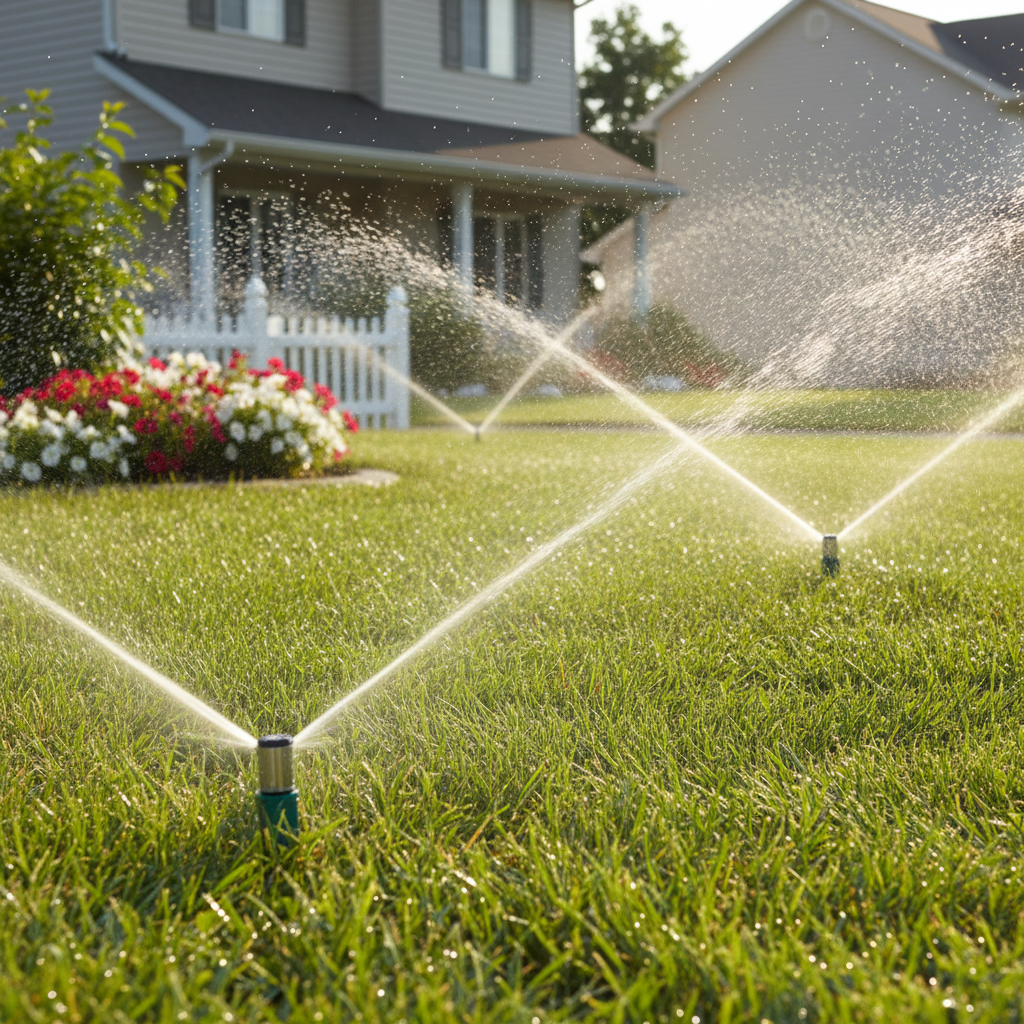
Utah’s commitment to water conservation has evolved from simple suggestions into a robust, state-backed financial incentive program known as Utah Water Savers. This initiative represents an aggressive push toward long-term sustainability as the state faces a drier future. For residents and business owners in Sanpete County, this program provides a tangible way to offset the costs of property upgrades while contributing to regional water security.
The core of the program is a turf replacement rebate that offers homeowners between $1.25 and $3.00 per square foot for removing living grass and replacing it with water-efficient materials. The exact amount often depends on the specific water district or municipality, but the financial impact is significant for those looking to modernize their curb appeal. As we look toward 2026, the trend in Utah is shifting decisively toward smarter landscapes. This movement prioritizes functional outdoor living spaces over high-maintenance, non-functional grass, creating yards that are more resilient to the local climate.
However, securing these funds requires more than just pulling up sod. The program maintains specific standards for plant density, mulch types, and irrigation hardware. Navigating these requirements can be complex, as even minor errors in plant selection or coverage ratios can lead to a denied application. Sanpete Landscaping works directly with property owners to handle the technical details of landscape design and installation, ensuring that every project meets the state’s rigorous criteria. By aligning professional design with the Utah Water Savers guidelines, we help ensure your project qualifies for the maximum possible rebate while significantly lowering your monthly utility costs.
Eligibility: How Sanpete County Homeowners Qualify for the Rebate
To qualify for the Utah lawn replacement rebate water-wise landscaping incentives, your property must be located within a municipality or water district that has formally adopted water-efficient landscaping ordinances. These local laws ensure that new designs meet conservation standards, protecting the long-term investment of the state. For residents in Sanpete County, this means verifying that your specific city has updated its code to align with the Utah Water Savers criteria.
The program has strict parameters to prevent the misuse of funds. Specifically, the incentive is reserved for turf conversion rather than new construction. If you are building a new home and have not yet planted a lawn, the project is ineligible for this specific rebate. Furthermore, the area slated for removal must consist of living, maintained grass. Removing dirt patches, weeds, or areas where the grass has already died will result in an immediate denial during the initial inspection.
The most critical administrative step is the 'Notice to Proceed.' You must create an account, upload photos of your current lawn, and wait for official state approval before any work begins. Tearing out sod prematurely is the most common reason for disqualification. If you are unsure about the local ordinances in your area, you can contact Sanpete Landscaping to verify your eligibility and begin the planning process. We help homeowners document their current landscapes correctly to ensure the application moves forward without hitches.
Localscapes vs Xeriscape: Choosing the Best Water-Wise Design
Once you understand the eligibility requirements, the next step is determining which design philosophy best suits your property and lifestyle. While many homeowners use the term xeriscaping, this approach often carries the stigma of "zero-scaping," which people associate with yards filled solely with gravel and desert cactus. While xeriscaping focuses on low water use, it sometimes overlooks the practical ways a family uses their outdoor space.
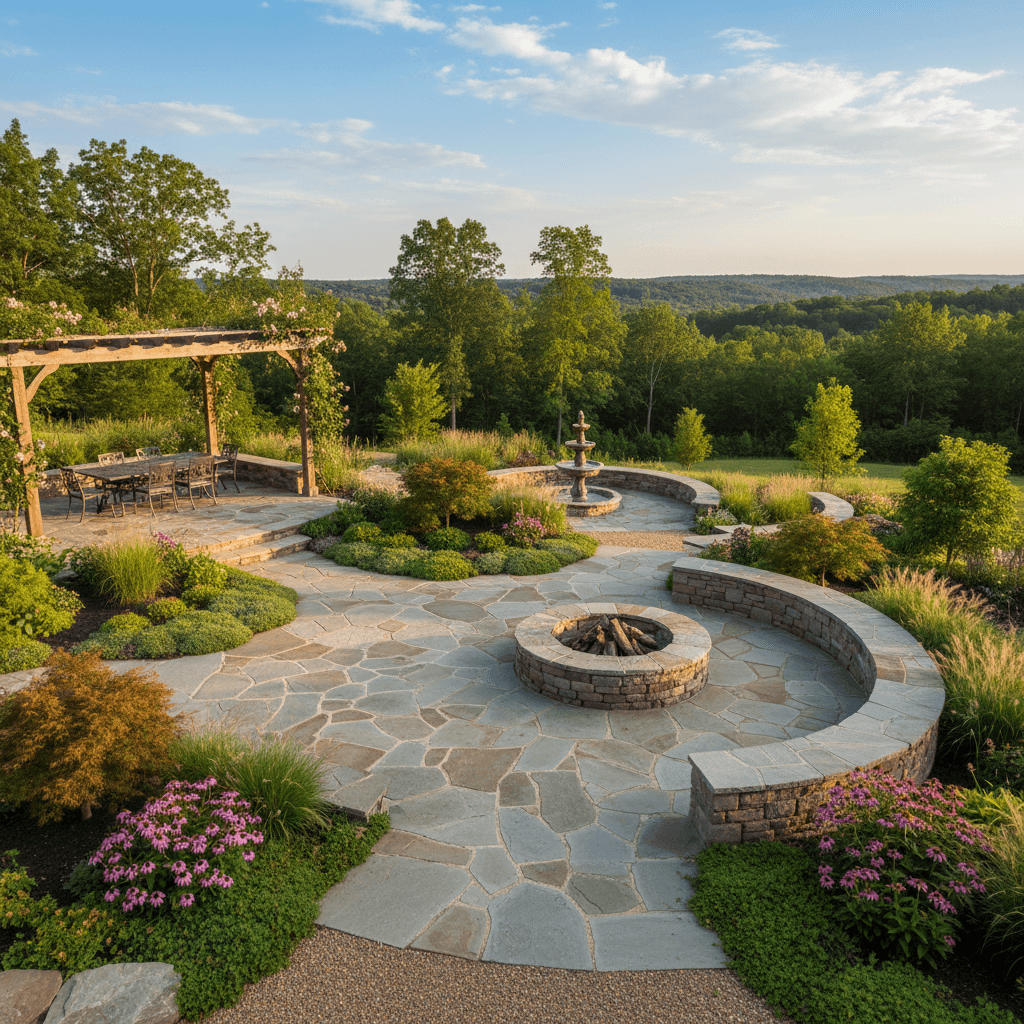
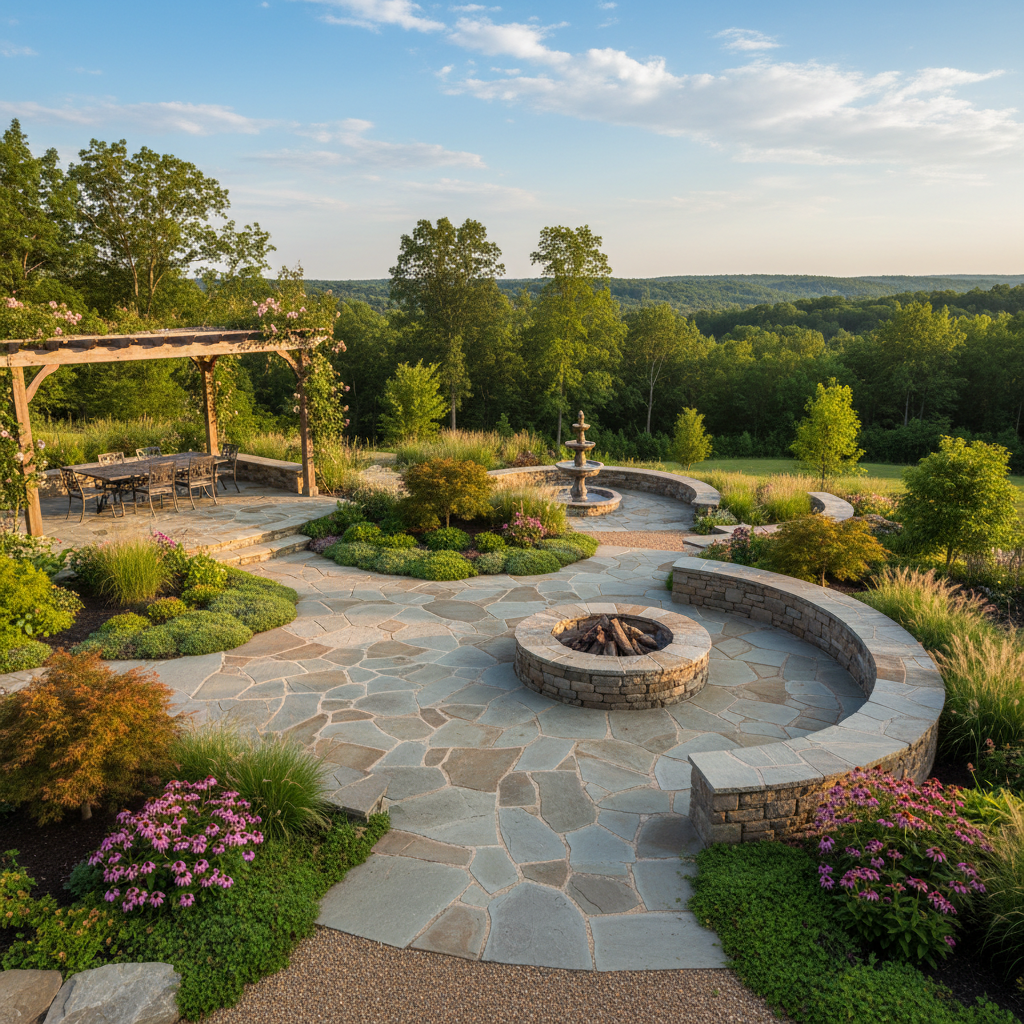
Localscaping is a Utah-specific methodology designed to solve this problem. It is becoming the dominant trend for 2026 because it balances aesthetics with the strict requirements of the Utah lawn replacement rebate water-wise landscaping program. Unlike a generic rock yard, a Localscape organizes the property into five functional zones:
Central Open Area: A defined shape, often a small lawn or a deck, that serves as a visual focal point.
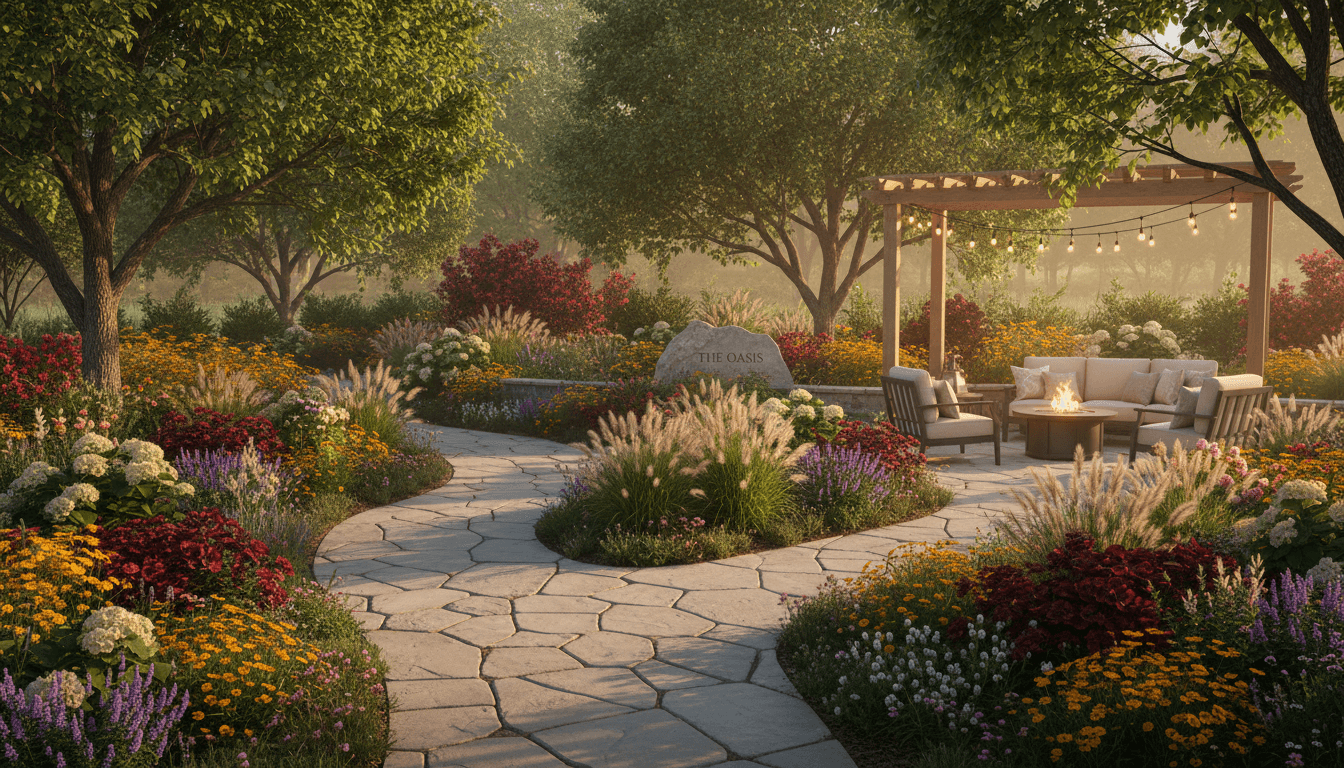
Gathering Areas: Patios, seating areas, or fire pits where people naturally congregate.
Activity Zones: Dedicated spaces for play equipment, vegetable gardens, or sheds.
Paths: Clear walkways that connect different parts of the yard to prevent foot traffic on plants.
Planting Beds: Areas of drought-tolerant plants that border the other zones.
This zonal approach is particularly effective because the rebate program typically requires 50 percent plant cover at maturity. By concentrating plants in designated beds and using high-quality landscape design and installation techniques, you can meet these percentages without cluttering the functional parts of your yard. This system ensures your outdoor space remains an extension of your home rather than just a conservation project, maintaining high curb appeal and usability.
Step by Step Guide to Your Utah Grass Replacement Rebate
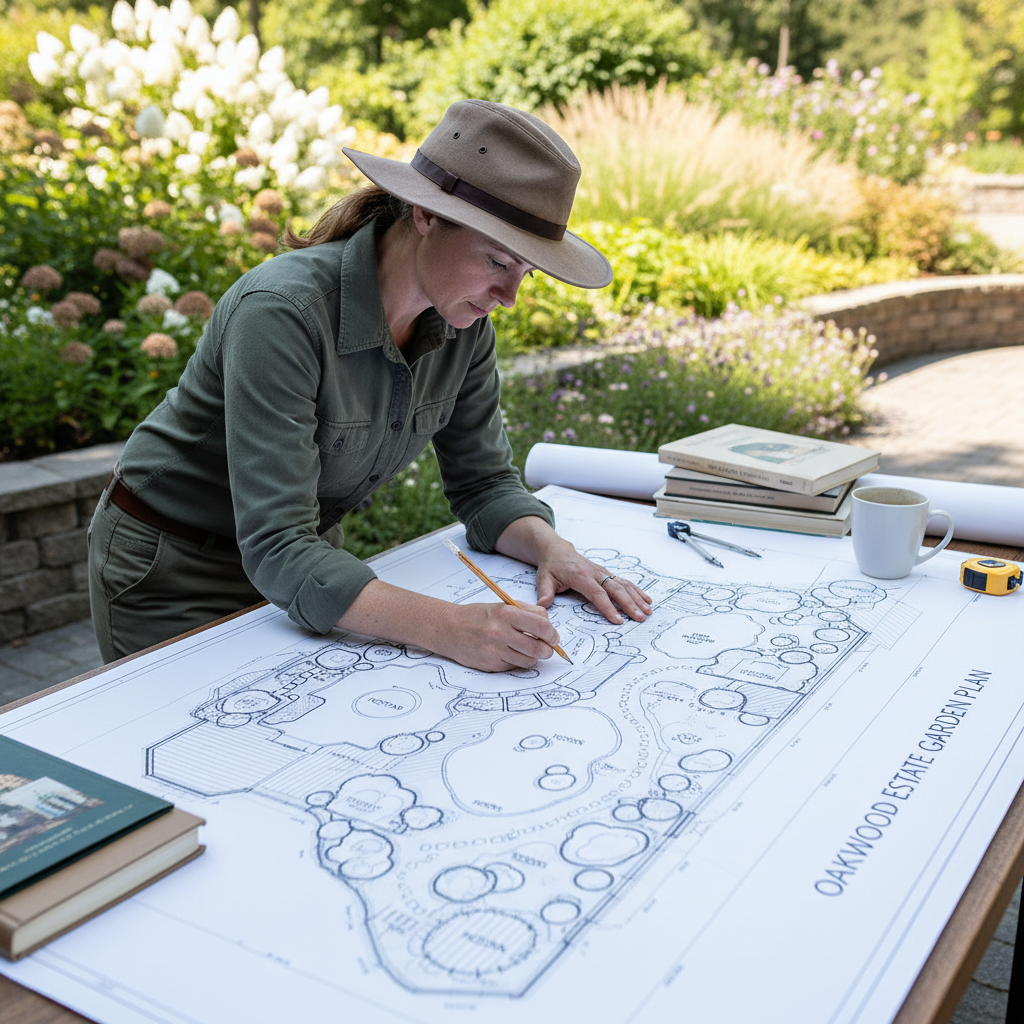
Navigating the administrative side of the Utah lawn replacement rebate water-wise landscaping program is a linear process, but it requires strict adherence to timing. Missing a single step or acting out of order can disqualify the entire project from receiving funding.
Follow this sequence to ensure your application remains in good standing:
Register at UtahWaterSavers.com: This is the official portal for all state-funded landscape incentives. Create a profile and select the program specific to your municipality.
Document Your Current Lawn: Take clear, wide-angle photos of the area you intend to remove. These photos must show a green, living, and maintained lawn; dirt patches or dormant, dead grass will likely be rejected during the initial review.
Submit Your Plan: Provide a detailed sketch or professional blueprint. This plan must demonstrate how you will meet the plant coverage requirements, which usually require 50 percent coverage at maturity, and include your choice of mulch or rock.
Wait for the Notice to Proceed: Do not touch your sod yet. You must receive official written approval from the program administrators before starting any physical work or removing a single blade of grass.
Execute the Installation: Once approved, you have a designated timeframe to complete the project according to your submitted plan.
Final Inspection: After the project is finished, upload after photos and request a final audit through the portal to trigger your payment.
Professional assistance during the planning phase is highly recommended to protect your investment. Many rebate denials stem from simple math errors in square footage calculations or failing to meet the specific plant-to-mulch ratios required by the state. When Sanpete Landscaping handles your landscape design and installation, we ensure every measurement is exact and every plant species qualifies for the program guidelines. If you are ready to start your application, you can contact Sanpete Landscaping for a consultation on your project's technical requirements.
Best Drought-Tolerant Plants for Sanpete Landscapes
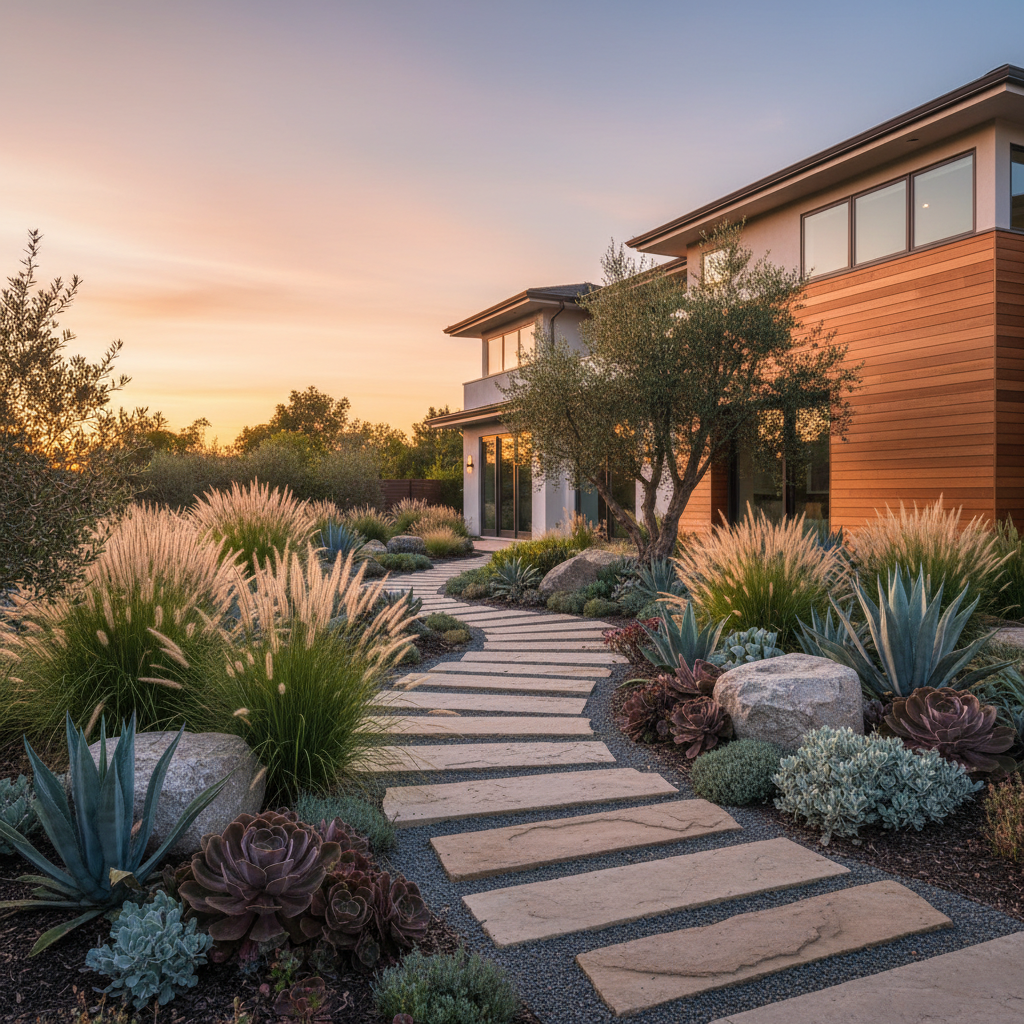
Choosing the right species is the difference between a thriving ecosystem and a yard that looks neglected by mid-July. Sanpete County presents unique challenges; our high elevation and fluctuating temperatures require plants with deep root systems and high cold hardiness. Utah native options like the Curl-leaf Mountain Mahogany and Serviceberry are excellent choices for providing vertical structure and privacy without the heavy water demands of traditional evergreens. For mid-level color and texture, Russian Sage remains a reliable performer that thrives in our local soil while attracting essential pollinators.
The aesthetic side of water-wise design is also shifting. A major trend for 2026 involves moving away from high-glare, monochromatic gravel in favor of earth-toned pavers and local natural stone. These materials absorb less heat and create a more sophisticated, intentional look that mirrors the surrounding mountain landscape. Integrating these high-quality hardscapes helps define the functional zones mentioned earlier, such as paths and gathering areas, while reducing the total amount of mulch required.
To qualify for the Utah lawn replacement rebate water-wise landscaping incentives, your irrigation strategy must be as efficient as your plant selection. Most programs require the installation of automated drip irrigation for all new planting beds. Drip lines deliver water directly to the root zone, which significantly reduces evaporation and runoff compared to traditional spray heads. This technology is often a mandatory requirement for rebate approval because it ensures your new landscape design and installation survives its first two seasons without wasting a drop. If you need assistance selecting a plant palette that balances beauty with rebate compliance, you can contact Sanpete Landscaping for expert guidance on local varieties.
The Financial Impact: Water Bill Savings and Property Value
Participating in the Utah lawn replacement rebate water-wise landscaping program provides more than just an upfront check; it fundamentally alters the long-term financial profile of your property. Professional landscape design and installation increases property value by packaging curb appeal with lower future utility costs. This distinguishes a planned Localscape from a "cheap" DIY rock yard, which can actually hurt resale value by appearing stark or unfinished. High-quality water-wise designs signal to future buyers that the home is modern, sustainable, and significantly less expensive to operate.
Expense Category | Traditional Turf Yard | Professional Water-Wise Landscape |
|---|---|---|
Monthly Water Bill | High; subject to rate hikes | 50% to 70% lower |
Maintenance Labor | Weekly mowing and edging | Monthly pruning and weeding |
Chemical Inputs | High fertilizer and pesticide use | Minimal to zero |
For commercial property owners, the reduction in labor and equipment costs is even more substantial. By eliminating non-functional turf, you remove the need for constant aeration, dethatching, and high-volume irrigation. This transition is a sound capital investment that pays dividends through lower utility overhead and higher net operating income. To analyze the potential ROI for your specific acreage, contact Sanpete Landscaping for a detailed consultation.
Avoiding Common Pitfalls in Lawn Removal Projects
Successful participation in the Utah lawn replacement rebate water-wise landscaping program requires avoiding technical errors that can invalidate your claim. One frequent mistake is installing low-grade weed barriers that allow invasive growth to compromise your new beds. Additionally, failing to cap off old spray heads or failing to switch to dedicated drip zones often leads to plant loss and rebate denial.
Aesthetics also matter; homeowners often clutter their yards with too many disconnected varieties. Applying the Rule of 3, which focuses on using three primary plant species and three main textures, creates a unified, professional look. Sanpete Landscaping manages these technical and aesthetic details through expert landscape design and installation. The team handles the heavy lifting, from the initial sod removal to the final irrigation audit, ensuring your project remains compliant. To ensure a stress-free transition that secures your funding, contact Sanpete Landscaping to manage your conversion from start to finish.
Transitioning to a water-wise yard is a smart way to save money and preserve Utah’s precious resources. By following the state incentive guidelines, you can transform your property into a sustainable oasis that pays for itself over time. If you want expert help designing a landscape that meets these requirements while looking beautiful, our team is here to guide you. You can learn more about our team and how we handle water-wise projects. We enjoy helping our neighbors create resilient, stunning outdoor spaces that thrive in our local climate.