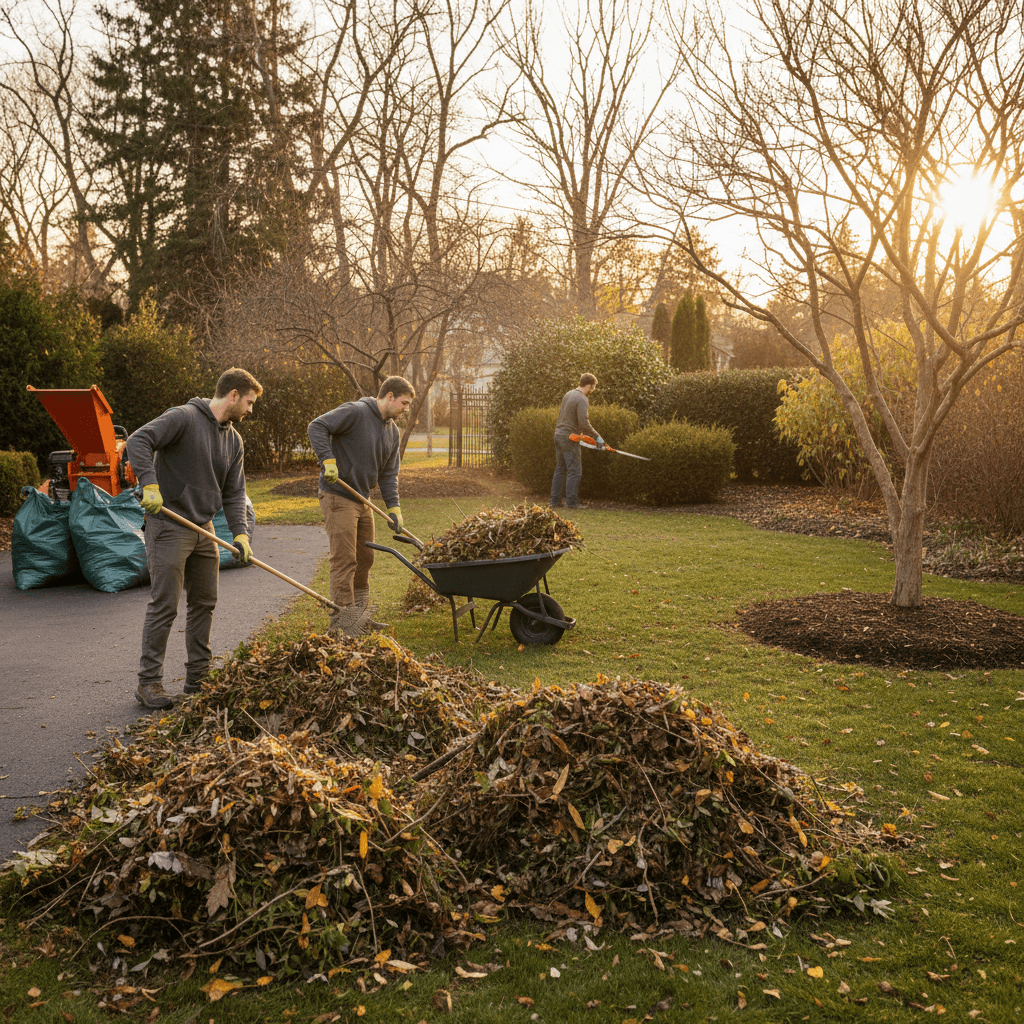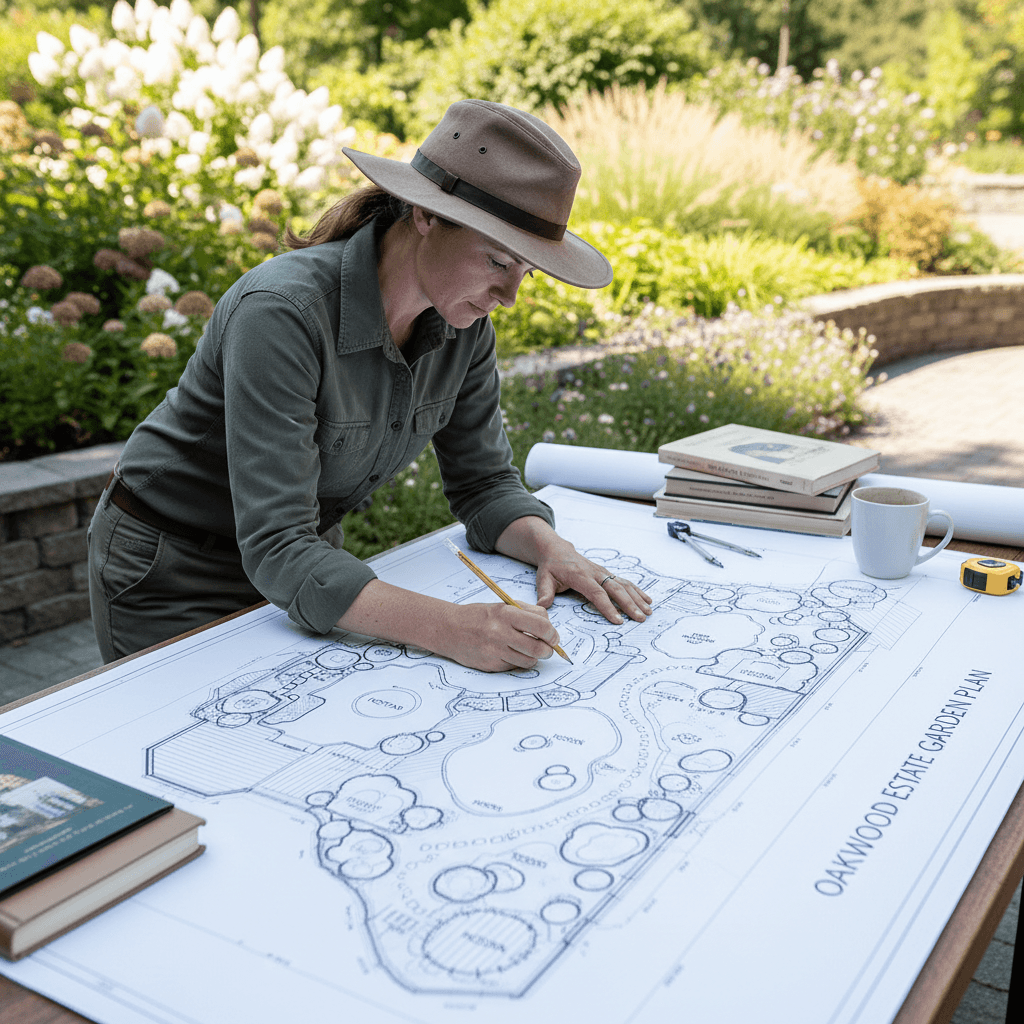
A comprehensive Utah lawn care schedule begins with early spring fertilization and leaf cleanup followed by targeted weed control during May and June. Irrigation should peak every two days in July and August, then taper off through October to prepare cool-season grasses for winter dormancy. Applying a final fertilizer treatment in late fall is essential for maintaining root vigor and ensuring a healthy green-up the following year.
For homeowners in Sanpete County, the transition from heavy winter snow to the intense heat of high-elevation summers often results in a lawn that feels like a losing battle. You might notice brown patches appearing by mid-July or struggling turf that refuses to green up after the spring thaw. These common frustrations usually stem from a timing mismatch between maintenance tasks and our unique local climate. At Sanpete Landscaping, we know that a thriving lawn depends on a precise, seasonal approach tailored to our specific mountain valley conditions. In this guide, we provide a definitive Utah lawn care schedule. We will explore the benefits of early spring aeration, the critical one third mowing rule for summer health, and the necessary steps for fall recovery. By following this expert timeline, you can ensure your turf remains resilient and vibrant throughout every season.
Understanding the Sanpete County Growing Season
Sanpete County homeowners face a distinct set of challenges compared to those along the Wasatch Front. Our high elevation mountain valley climate dictates a shorter growing season, often lagging behind the Salt Lake area by 10 to 14 days. While neighbors in lower elevations might start their routine lawn maintenance in early March, residents in Ephraim, Manti, and Mt. Pleasant are often still dealing with frozen ground and lingering frost well into April.
Relying on a generic calendar can lead to poor results. Following a standard Northern Utah lawn care schedule might cause you to apply fertilizer or pre-emergent while the soil is still too cold for the grass to utilize the nutrients. Instead of watching the date, watch the thermometer. The true signal to begin spring care is when the soil temperature consistently reaches 55 degrees Fahrenheit at a four inch depth. This temperature triggers root activity and the germination of common weeds like crabgrass. Because our mountain nights stay cooler for longer, your lawn requires a patient approach that respects the local microclimate. Understanding these timing shifts is the first step toward a healthy, resilient landscape in our unique environment.
Early Spring: Aeration and the First Fertilizer Application
Once the soil reaches that 55-degree threshold, the primary focus shifts to addressing the physical condition of the ground. Sanpete County is known for heavy clay and rocky soil profiles that compact easily under the weight of winter snow. Core aeration is the most effective way to combat this compaction. By pulling small plugs of soil from the yard, we create channels that allow oxygen, nutrients, and water to penetrate deep into the root zone. This process is a vital part of routine lawn maintenance because it encourages roots to grow deeper, making the grass more resilient during the upcoming summer heat.
Following aeration, focus turns to the first application of a structured Utah lawn care schedule. Utilizing a program like the IFA 4Plus begins with a combination of fertilizer and pre-emergent weed control. The goal here is twofold: providing a gentle nitrogen boost to stimulate early growth and creating a chemical barrier against germinating crabgrass. Timing is critical. You should aim to apply this treatment before the local forsythia bushes finish blooming. If you miss this window, the pre-emergent will be significantly less effective against early-season weeds.
A common mistake during this transition is mistaking green-up for thirst. While the lawn is waking up, it rarely needs additional water from automated irrigation systems in March or early April. The soil usually retains enough moisture from spring runoff and rain to sustain early growth. Over-watering this early in the season cools the soil temperature back down, which can actually stunt the grass and encourage shallow root systems. Be patient and let the natural moisture do the work while you focus on nutrient delivery and soil structure.
Late Spring: Establishing the Mowing Routine and the 1/3 Rule

As the mountain air warms in May and June, your grass enters its most aggressive growth phase. This is the critical window to establish a routine lawn maintenance schedule that builds plant resilience. The foundation of this routine is the 1/3 Rule, which dictates that you should never remove more than one third of the grass blade in a single cutting. Adhering to this principle prevents physiological stress and ensures the plant does not divert all its energy away from root development to repair damaged leaf tissue. If a rainy week prevents you from mowing on time, it is better to mow twice in four days, gradually lowering the height, rather than scalping the lawn.
For the Kentucky Bluegrass and Fescue blends common in Ephraim and Manti, maintain a finished mowing height of 2.5 to 3 inches. Keeping the grass slightly taller provides natural shade for the soil surface, which reduces evaporation and keeps root zones cooler as we approach the summer solstice.
This period is also the ideal time for the second step in a comprehensive Utah lawn care schedule. A late spring fertilizer application bolsters the lawn’s carbohydrate reserves before the high temperatures of July arrive. While the grass is growing vigorously, you will likely notice dandelions and spurge emerging in thin spots. Use targeted spot treatments for these broadleaf weeds rather than blanket applications. This localized approach is more efficient and less stressful for the turf as you begin testing your automated irrigation systems for the consistent demands of the coming months.
Summer Lawn Care: Heat Management and Utah Irrigation Schedules
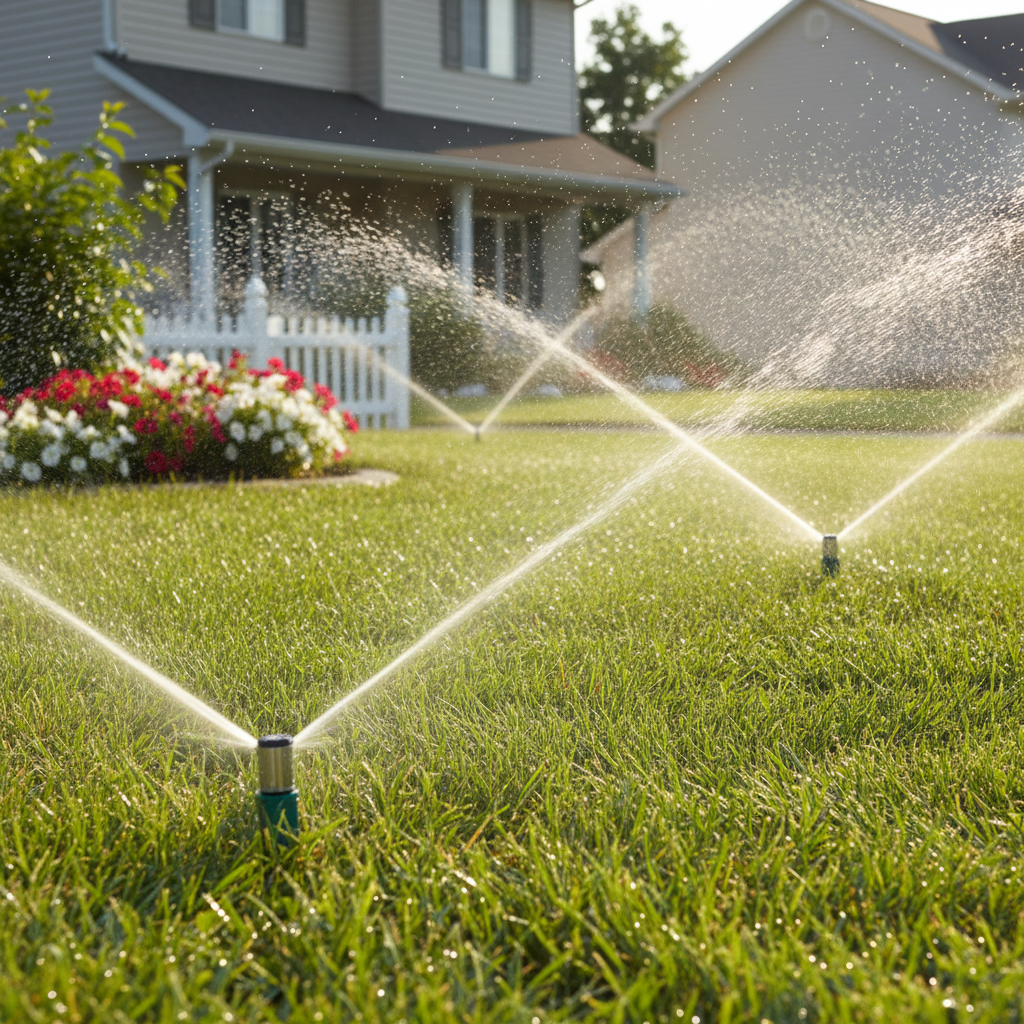
As mountain valley temperatures climb in July, the focus of your Utah lawn care schedule shifts from promoting aggressive growth to managing heat stress. Sanpete County’s arid summer climate requires a disciplined approach to automated irrigation systems. According to USU Extension data, watering frequency must be adjusted to match the seasonal peak. In July, lawns typically require water every 2 days. As the intensity of the heat slightly tapers in August, this frequency should shift to once every 3 days.
The methodology of your watering is as important as the timing. Deep, infrequent watering is far superior to shallow, daily sprinkles. When you water deeply, you encourage the root system to grow further down into the cooler, damp soil profiles. Shallow watering keeps roots near the surface where they are easily scorched by the high-altitude sun, leading to a lawn that wilts the moment the sprinklers turn off.
Homeowners in Mt. Pleasant and Ephraim often worry when their turf loses its vibrant green during a July heat spike. In many cases, the grass is not dying but is entering heat dormancy. This is a natural defense mechanism where the plant diverts energy away from the blades to protect the crown. You can distinguish dormancy from dead grass by tugging on a handful of blades; dormant grass will remain firmly rooted, while dead grass will pull out easily. Resist the urge to apply heavy fertilizer to "green up" a dormant lawn in peak heat. High nitrogen applications when temperatures exceed 90 degrees can cause severe nitrogen burn, which compromises the grass more than the heat itself. Maintain routine lawn maintenance through proper mowing and hydration, saving nutrient boosts for the cooler recovery period ahead.
Fall Recovery: When to Fertilize and Mow Before Winter
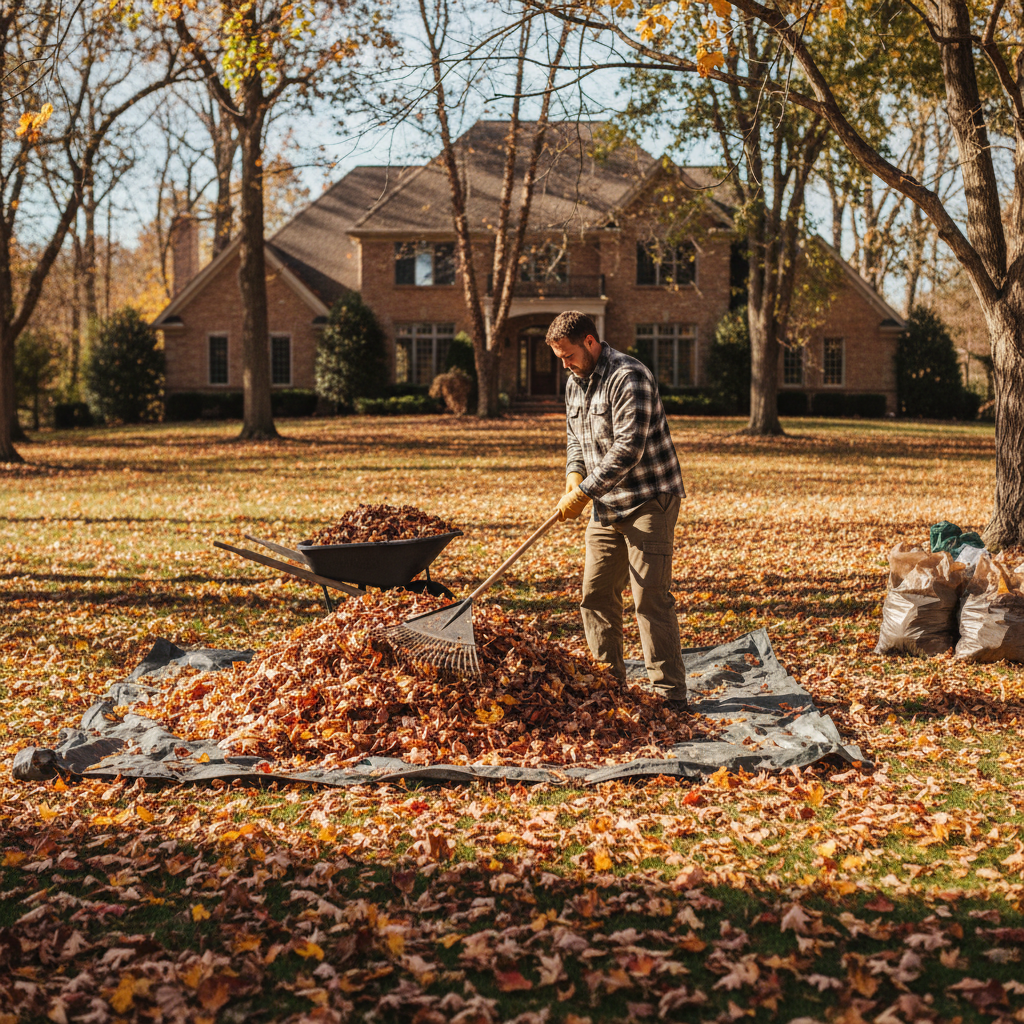
As the harsh summer heat breaks in September, your lawn enters its most critical phase for long term health and recovery. The cooling soil temperatures in Sanpete County trigger a shift in plant physiology where energy is diverted from leaf production to root stabilization. To support this transition, adjust your automated irrigation systems to match the decreased evaporation rates. Following USU Extension guidelines, move to a schedule of watering every 6 days in September and every 10 days throughout October until the final system blowout.
Homeowners often ask, "Is October too late to fertilize a lawn?" On the contrary, October is the most important time for nutrient application. Applying a high potassium, late season fertilizer now does not produce a surge in mowing needs; instead, it strengthens the root system and increases the concentration of dissolved salts in the plant cells, which acts as a natural antifreeze. This allows the turf to store the necessary carbohydrates to survive the sub-zero winter temperatures typical of the Mt. Pleasant and Ephraim areas.
Regarding late season routine lawn maintenance, you might also wonder, "Is October too late to mow?" You should continue mowing as long as the grass is growing, but aim to gradually lower the blade. For the final cut of the year, usually in late October, set your mower to 2 inches. Shorter grass is less likely to mat down under heavy snow, significantly reducing the risk of snow mold and vole damage.
Before the first significant snowfall, follow this leaf management checklist to prevent suffocating your turf:
Rake or mulch leaves at least once a week to prevent a thick layer from forming.
Ensure no more than 20% of the lawn surface is covered by debris at any time.
Remove all piles from low-lying areas where moisture tends to collect.
Clear heavy debris from the edges of the lawn to maintain visibility for winter services.
Winter Dormancy and Snow Removal Protection
From November through February, your lawn enters true dormancy. While it might look like a brown, lifeless rug, the crowns of the grass are still alive and highly susceptible to physical damage. Avoid heavy foot traffic or parking vehicles on frozen turf. Walking on frost-covered grass can actually break the leaf blades and crush the crown, leaving brown footprints that will remain visible until the spring green-up begins.
Preparation for the first major Sanpete snowfall is a critical part of your overall Utah lawn care schedule. Before the ground freezes completely, install reflective stakes to mark the boundaries of your lawn, especially near driveways and sidewalks. This simple step prevents plow blades from scalping your turf and helps keep snow piles containing harsh de-icers away from the grass. Standard salt-based de-icers can cause chemical burn and soil salinity issues that linger long after the snow melts. By clearly defining these edges, you protect your investment in routine lawn maintenance and ensure a cleaner transition when the spring thaw arrives.
Common Sanpete County Lawn Care FAQs
Navigating the nuances of a high elevation Utah lawn care schedule often brings up specific questions regarding water usage and sustainability. A common inquiry is exactly when to activate automated irrigation systems. In Sanpete County, you should typically wait until mid-April or even early May. The heavy spring snowpack and frequent rainfall usually provide sufficient moisture for emerging grass; premature watering can actually delay soil warming and stunt early root development.
Once you begin your watering routine, timing is vital. The most efficient sprinkler schedule is between 4 a.m. and 10 a.m. During these hours, winds are calmest and temperatures are lowest, which minimizes evaporation and allows water to soak deep into the root zone. Avoid evening watering, as moisture sitting on the blades overnight can invite fungal diseases like leaf spot. To maximize efficiency, follow the frequency adjustments recommended by USU Extension: water every 2 days in July, every 3 days in August, every 6 days in September, and every 10 days in October.
For property owners in particularly arid parts of the county or those looking to reduce routine lawn maintenance, consider water-wise alternatives. Integrating drought-tolerant species like Buffalo grass or Fine Fescue can significantly lower your water footprint. You might also explore water-wise landscaping designs that replace low-traffic turf with native plant beds or hardscaping, which thrive in our mountain valley climate with minimal intervention.
Maintaining a lush yard in Sanpete County is a year-round commitment that involves timing your fertilization, aeration, and watering perfectly with the changing seasons. While following this guide will put you on the right path, keeping up with local climate demands can be a significant undertaking for any homeowner. If you want expert help managing these seasonal tasks, you can learn more about our team and our passion for creating beautiful Utah landscapes. We are always here to help you achieve the perfect outdoor space.