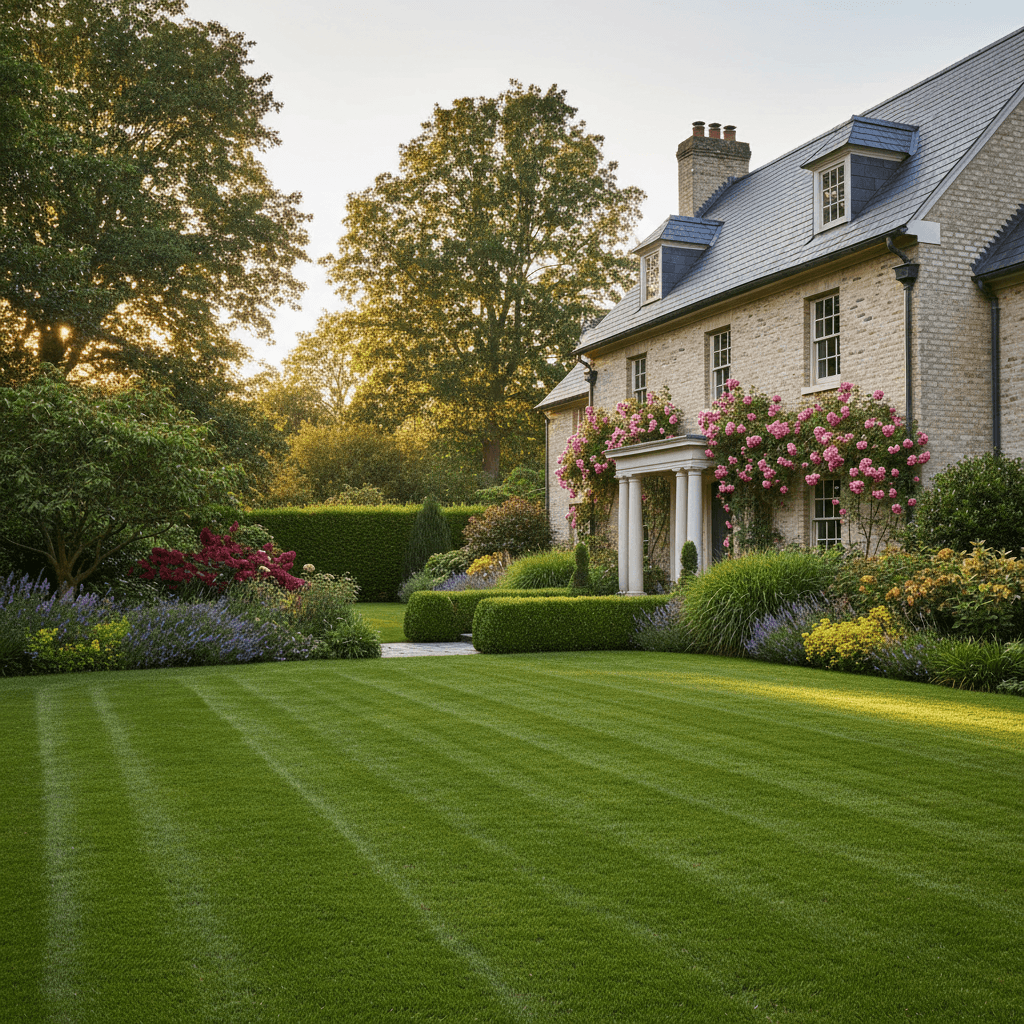
Landscape design and installation involves a strategic process of planning, site preparation, and construction that typically ranges from $5,000 to $35,000 for Utah residential properties. Homeowners must decide between the specialized expertise of professional contractors for complex grading and irrigation or more cost-effective DIY methods for simple planting and maintenance.
Staring at a bare, dusty lot in Sanpete County can feel more like a burden than a blank canvas. Many homeowners dive into weekend projects only to realize that Utah’s rocky soil and unpredictable climate require more than just a shovel and a bag of mulch. Without a clear plan, you risk expensive drainage issues or plants that wither before the first frost. Proper landscape design and installation is about more than aesthetics; it is a structural investment that balances beauty with the harsh realities of our high altitude environment. In this guide, we will walk you through the entire process from initial site mapping to the final planting. You will learn about current 2024 cost estimates and, most importantly, how to determine if your vision requires a professional crew or if you can realistically tackle the dirt yourself.
The Evolution of Landscape Design and Installation in Sanpete County
In Sanpete County, the concept of outdoor living has moved far beyond simple gardening. While gardening often focuses on the maintenance of individual flower beds, professional landscape design and installation involves a holistic transformation of the property. This process integrates engineering, horticulture, and architecture to create a functional environment that withstands the unique pressures of the Utah climate.
Homeowners here must account for extreme seasonal swings. A yard that looks beautiful in June must also survive the sub-zero temperatures and heavy snow loads of a Sanpete winter, followed by the intense, arid heat of July. A strategic approach is required to manage drainage, soil stability, and water conservation. This is why the design-build model has become the standard for local property owners. By utilizing a single Sanpete Landscaping team to manage the project from the initial conceptual blueprint to the final grading, clients ensure that the vision on paper is technically feasible on the ground.
Providing comprehensive residential and commercial outdoor services requires a deep understanding of local topography. The design-build approach eliminates the gap between a designer’s aesthetic ideas and a contractor’s physical constraints. When landscape design and installation experts oversee every phase, from site preparation to automated irrigation, the result is a landscape built for long term resilience rather than just immediate curb appeal.
Phase One: The Landscape Design Process
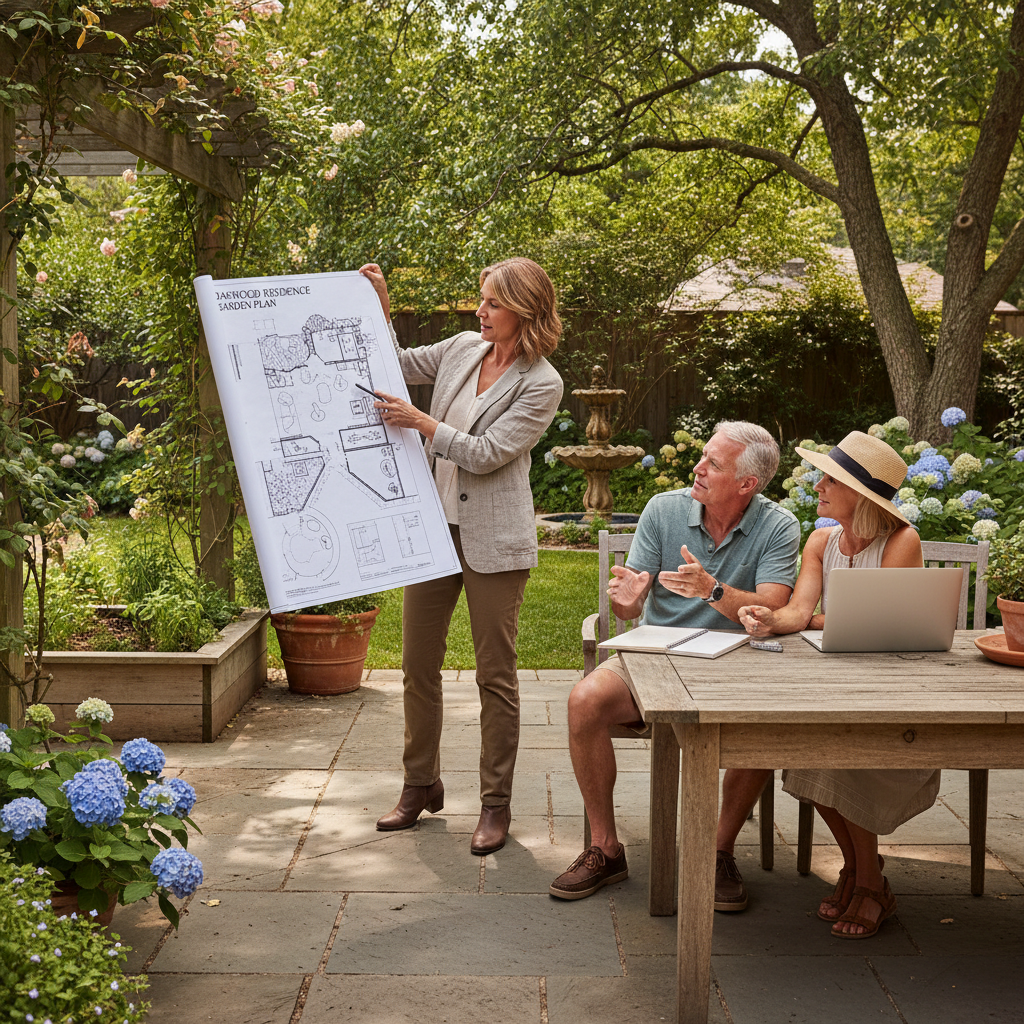
Professional landscape design and installation begins long before a shovel touches the dirt. The initial phase involves a rigorous site analysis that dictates every future decision. During the consultation phase, property owners meet with landscape design and installation experts to define their lifestyle goals, but this is also where the technical property evaluation occurs.
A successful design depends on three environmental pillars: soil quality, sun exposure, and drainage. In Sanpete County, soil profiles can range from dense valley clay to the porous, rocky textures found in the foothills. Understanding these variations is vital for selecting appropriate amendments and plant species. Sun exposure is equally critical in Utah’s high-altitude environment, where the difference between a shade-cooled north wall and a sun-drenched south exposure determines the survival of your investment.
Local topography adds another layer of complexity. Designing for a sloped property in Ephraim or Spring City requires a plan that manages water runoff to prevent foundation damage, a common issue when drainage is ignored. Before any conceptual plan is finalized, utility lines must be marked. Sanpete homeowners often have to navigate older municipal lines or private septic systems, making the site map an essential safety document rather than just an aesthetic guide.
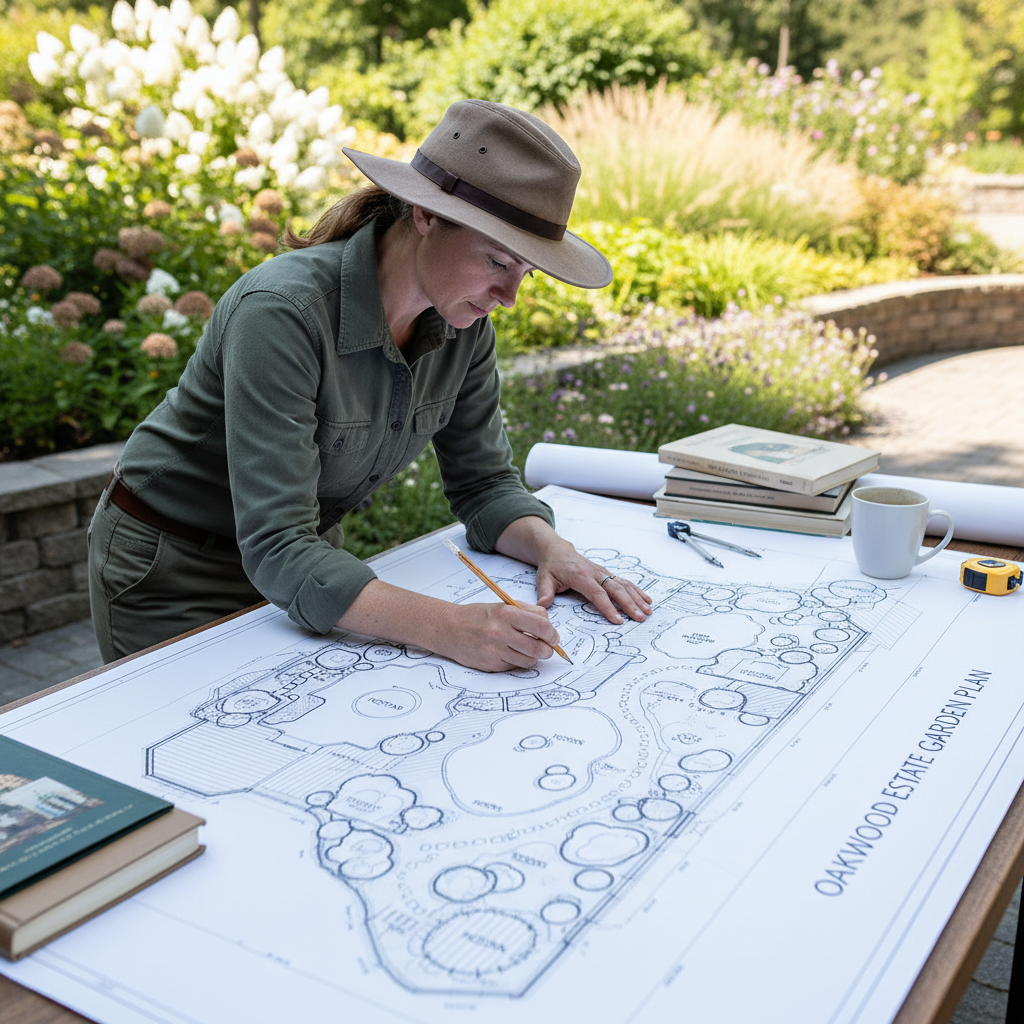
Once these constraints are documented, the designer creates a conceptual plan. This plan utilizes fundamental principles like the "rule of 3" to create visual interest. By grouping plants, boulders, or decorative elements in sets of three, the design achieves a natural balance that mimics wild landscapes rather than looking overly manufactured or symmetrical. This planning stage transforms a list of ideas into a technical roadmap, ensuring that the final build is both beautiful and structurally sound for the long term.
Phase Two: The Hardscape and Utility Installation
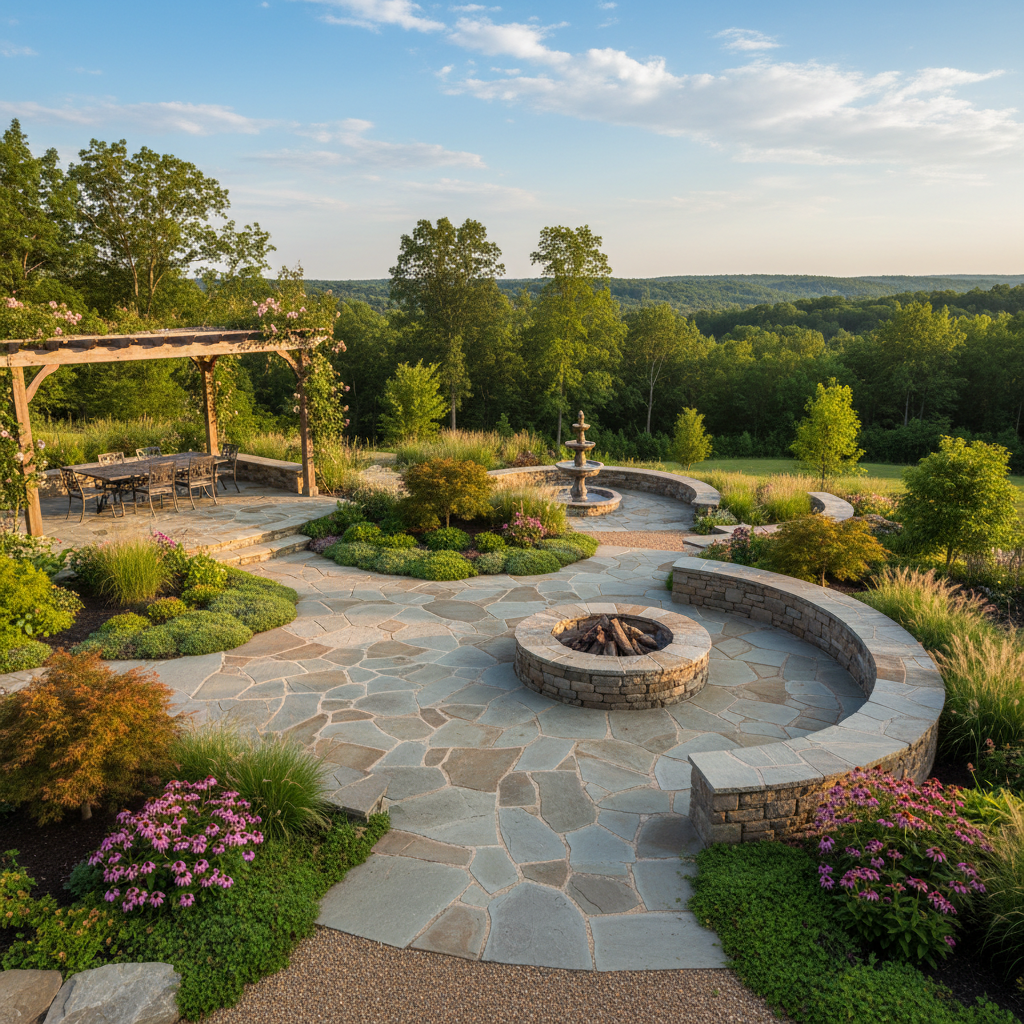
Once the conceptual roadmap is finalized, the physical transformation begins with the heavy infrastructure. This phase focuses on hardscaping and utilities, a stage where the sequence of operations is critical. One of the most common mistakes in amateur landscape design and installation is attempting to plant greenery before the structural elements are in place. Moving heavy equipment, excavating for retaining walls, or transporting palletized stone for patios across finished turf will lead to severe soil compaction and damaged root systems.
Professional grading serves as the foundation for the entire project. In Utah, where spring snowmelt can be sudden and intense, the slope of the land must be precisely engineered to direct water away from the home. Improperly graded yards are a primary cause of basement flooding and foundation settling in Sanpete County. By establishing the final grade before any surface features are added, the Sanpete Landscaping team ensures that the property can handle high-volume runoff without compromising the home's structural integrity.
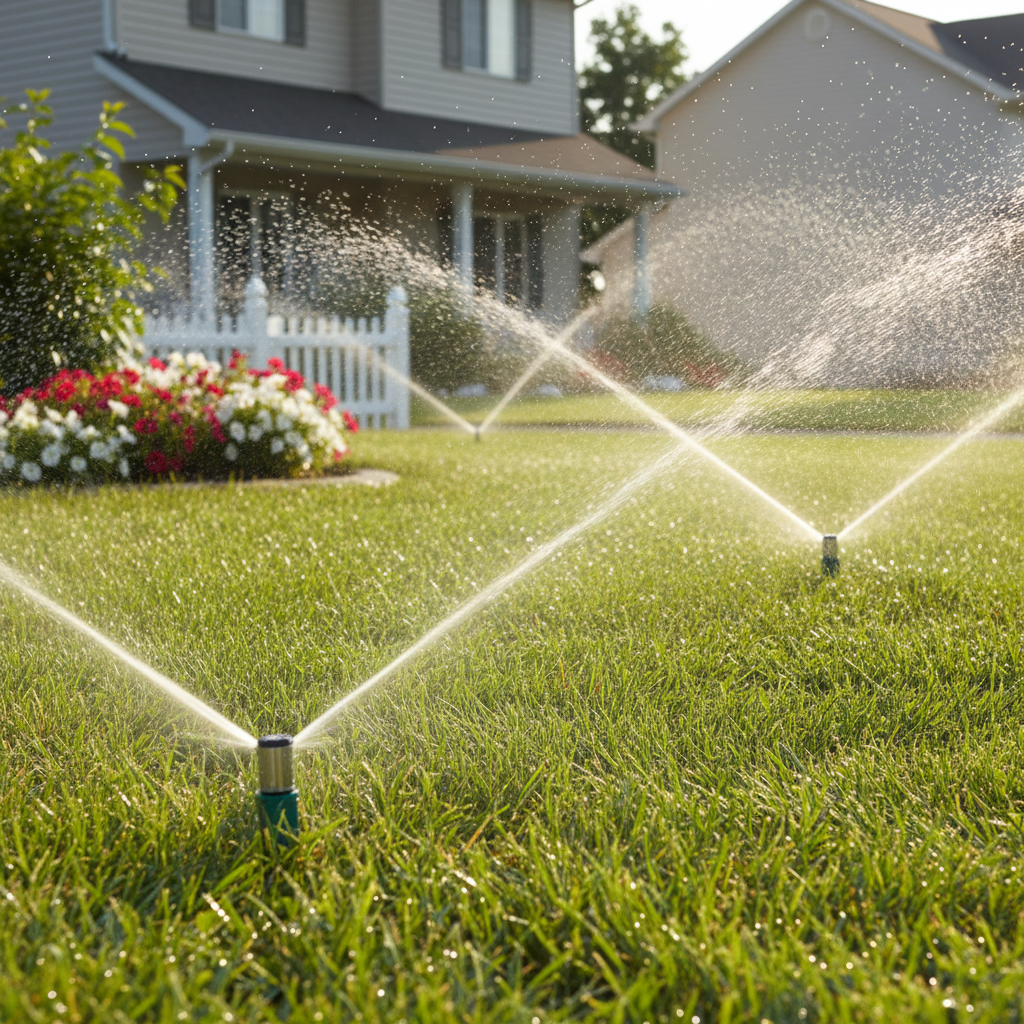
Simultaneously, the installation of automated irrigation systems provides the necessary life support for the upcoming vegetation. In Sanpete’s arid summer months, manual watering is rarely sufficient to maintain a healthy landscape. Trenching for mainlines, lateral lines, and valve boxes must occur while the ground is still open. Integrating these utilities into the hardscape phase allows for pipes to be sleeved under walkways and patios, preventing the need for disruptive digging later. This systematic approach ensures that every element of your comprehensive residential and commercial outdoor services is functional and durable before the first plant is placed in the ground.
Phase Three: Planting and Finishing Touches
With the infrastructure secured, the focus shifts to the living components of the property. Successful landscape design and installation in Sanpete County depends on selecting vegetation capable of surviving the USDA Zone 5 to 7 temperature fluctuations. This involves more than simply picking visually appealing specimens; it requires choosing species like Blue Spruce, Serviceberry, or high-desert perennials that tolerate both sub-zero winter dormancy and intense summer transpiration.
Soil preparation is the most overlooked step in amateur projects. In our region, native soil often requires deep tilling and the integration of organic compost to break up heavy clay or provide water retention in rocky areas. Landscape design and installation experts prioritize this underground work because it determines the long term health of the root systems. A common DIY pitfall is purchasing plants based on their current nursery size. Professionals, however, design for mature growth. A seedling planted today might have a twenty foot spread in a decade. Mapping these mature circumferences ensures that trees do not eventually scrape siding, lift walkways, or interfere with overhead power lines.
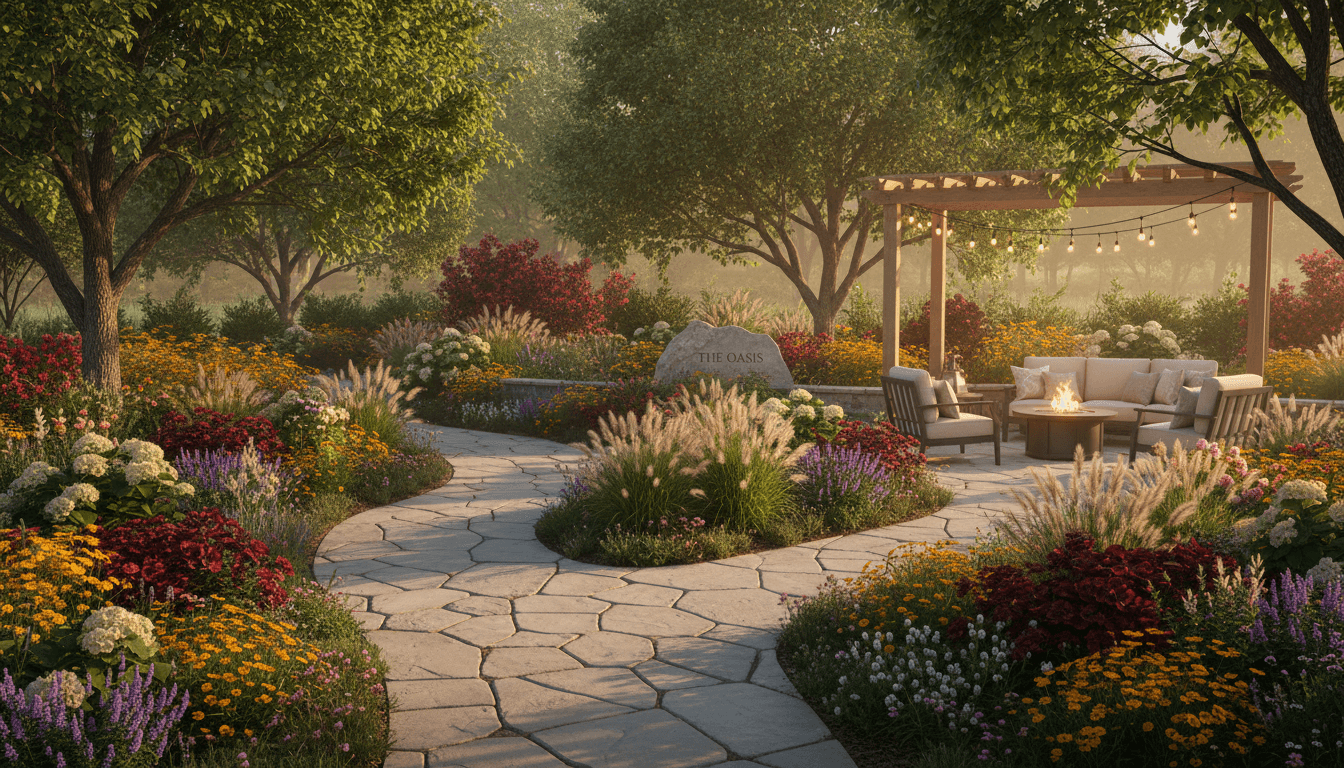
The final aesthetic and functional layers include mulching, decorative rock, or sod. Mulch serves a dual purpose by regulating soil temperature and suppressing weeds, while decorative rock provides a low maintenance solution for high wind areas. By coordinating these finishing touches, the Sanpete Landscaping team ensures the yard is not only immediately beautiful but also sustainable. These comprehensive residential and commercial outdoor services culminate in a finished landscape where every plant is positioned for health and every square foot of ground cover serves a specific environmental purpose.
The Real Cost of Landscaping in Utah: 2024 Estimates
Navigating the financial commitment of professional landscape design and installation requires an understanding of both local material costs and labor intensity in rural Utah. For most residential projects in Sanpete County, design fees range from $500 for basic site maps to $5,000 for complex, multi acre master plans. These plans serve as technical blueprints that prevent costly errors during the excavation and utility phases.
The installation phase for a standard yard typically falls between $5,000 and $35,000, depending heavily on the ratio of softscape to hardscape. To help visualize how these budgets are allocated, consider these general estimates for common project components:
Project Component | Estimated Cost Range (Sanpete County) | Key Variables |
|---|---|---|
Automated Irrigation | $3,500 – $8,000 | Number of zones, water pressure requirements |
Standard Grading & Turf | $4,000 – $12,000 | Soil quality, square footage, sod vs. seed |
Hardscape (Patios/Walls) | $10,000 – $25,000+ | Material choice, slope, and excavation needs |
Full Design-Build Package | $20,000 – $45,000+ | Total property transformation |
The return on investment for comprehensive residential and commercial outdoor services manifests in two ways. First, professional landscape design and installation experts ensure that infrastructure like drainage is handled correctly, preventing expensive foundation repairs later. Second, a well executed plan by the Sanpete Landscaping team can increase a property’s resale value by up to 15 percent, making the initial expense a significant long term asset.
Landscape Designer vs DIY: When to Call the Pros
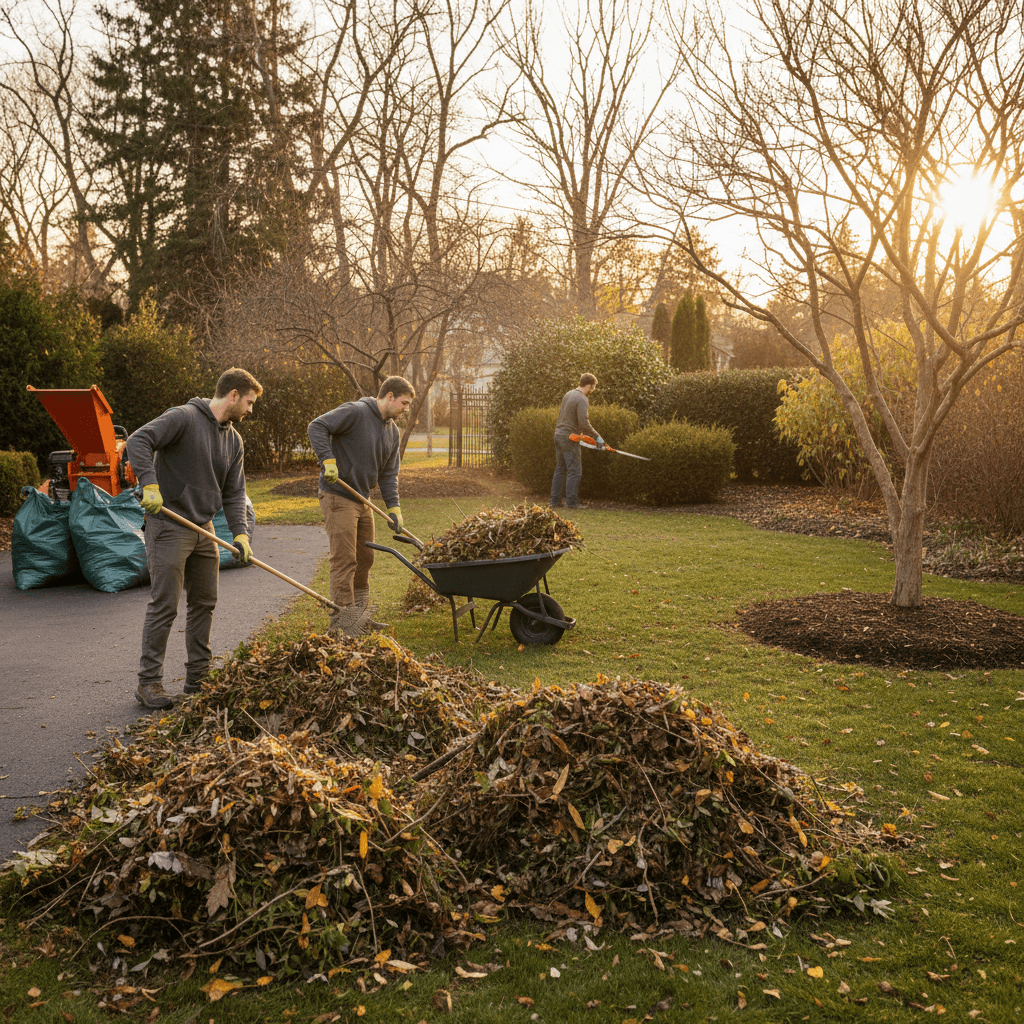
Deciding between a self-managed project and hiring a professional requires an honest assessment of both the project scope and your technical skill set. Small scale cosmetic updates, such as refreshing mulch in established beds, planting seasonal annuals, or basic pruning, are well suited for a weekend DIY approach. These tasks allow for personal customization without the need for specialized machinery or complex engineering. However, when a project involves the structural integrity of the property, the complexity of landscape design and installation necessitates professional oversight.
Professional intervention is vital for any task involving significant earthmoving, grading, or water management. In Sanpete County, improper grading is a primary contributor to basement flooding and foundation erosion during the spring runoff. While a homeowner might be able to plant a tree, a professional ensures the surrounding slope prevents standing water. Similarly, any project requiring the use of heavy equipment, such as skid steers or trenchers, carries a steep learning curve. The Sanpete Landscaping team brings the technical expertise to operate this machinery safely, preventing accidental damage to underground utility lines or existing structures.
Project Type | Recommended Approach | Key Technical Requirements |
|---|---|---|
Garden Bed Refresh | DIY | Hand tools, basic soil knowledge |
Automated Irrigation | Professional | Hydraulic pressure math, trenching, wiring |
Retaining Walls >3ft | Professional | Engineering, soil pressure analysis, permits |
Grading & Drainage | Professional | Laser leveling, runoff calculations |
Seasonal Planting | DIY | Species selection, manual labor |
Homeowners often overlook the hidden costs associated with DIY attempts. Daily rental fees for excavators, the cost of replacing plants that die due to improper soil preparation, and the high price of repairing a poorly installed irrigation system can quickly exceed a professional quote. By hiring landscape design and installation experts, you mitigate the risk of these expensive failures. Investing in comprehensive residential and commercial outdoor services ensures that the infrastructure is built to last, providing peace of mind that your landscape is both functional and resilient against the Utah elements.
Whether you choose to tackle your landscaping projects yourself or hire a professional, the goal is always to create a functional space that suits your lifestyle. Navigating the unique climate and soil conditions in Utah can be a challenge; however, the right design makes all the difference. If you want expert help ensuring your project is handled with precision, you can read more about our approach to quality service. We are here to help you build an outdoor environment you will love for years.