Seasonal yard cleanup involves removing debris, pruning plants, and performing lawn maintenance to protect your landscape from Utah's extreme temperature shifts. Effective maintenance requires clearing winter damage each spring and preparing garden beds for dormancy during the fall to ensure plant health. This routine care prevents disease and maintains curb appeal throughout every season.
Watching the melting snow reveal a matted, debris-strewn lawn is a frustrating reality for every Sanpete County homeowner. The transition between our harsh, high-desert winters and the brief growing season often leaves landscapes vulnerable to disease and compaction. Neglecting these critical windows can result in costly sod repairs or dead perennials that struggle to recover in our unique alkaline soil. At Sanpete Landscaping, we understand that a beautiful yard requires more than just occasional mowing; it demands a strategic approach to seasonal transitions. In this guide, we will explore essential spring revival techniques and winterization tactics designed specifically for our local climate. You will learn how to prepare your soil for the heat, how to cut your lawn to survive heavy snow packs, and how to determine if your property needs a professional touch to thrive throughout the year.
Why Sanpete County Yards Need a Dedicated Seasonal Strategy
Sanpete County occupies a unique ecological niche, existing in a High Desert to Alpine transition zone that requires a more specialized approach than the milder Wasatch Front. While homeowners in Salt Lake City might start their spring planting in early April, those in Manti must contend with late spring frosts that can linger well into May. Similarly, residents in higher elevation communities like Mount Pleasant often see the first heavy snows of autumn arrive while trees are still clinging to their leaves. These elevation-driven extremes result in a significantly shorter growing season and much heavier snow loads on local vegetation.
Relying on a generic Utah gardening guide often leads to frustration because our timing is compressed. A thorough seasonal yard cleanup in this region is not merely a matter of curb appeal; it is a vital defensive strategy for your landscape. Beyond routine lawn maintenance, proper preparation ensures that delicate perennials are insulated against rapid temperature swings and that turf is strengthened to survive months under a dense snowpack. By understanding the specific thermal demands of our high-altitude environment, you can protect the health of your soil and ensure your investment survives the transition from the scorching summer sun to the deep freeze of winter.
Spring Yard Cleanup: Waking Up Your Landscape After a Sanpete Winter

Spring in Sanpete County is less of a date on the calendar and more of a slow, muddy awakening. Between March and May, the temptation to start digging is high, but the first rule of a successful seasonal yard cleanup in our region is patience. Our local soils are characterized by high clay content, which makes them prone to severe compaction if worked while saturated. Walking on or tilling wet soil during the Utah thaw collapses the tiny air pockets necessary for root respiration, leaving you with ground that hardens like concrete once the summer heat arrives. Test the earth by squeezing a handful of soil; if it forms a sticky ball rather than crumbling, it is still too wet to manage.
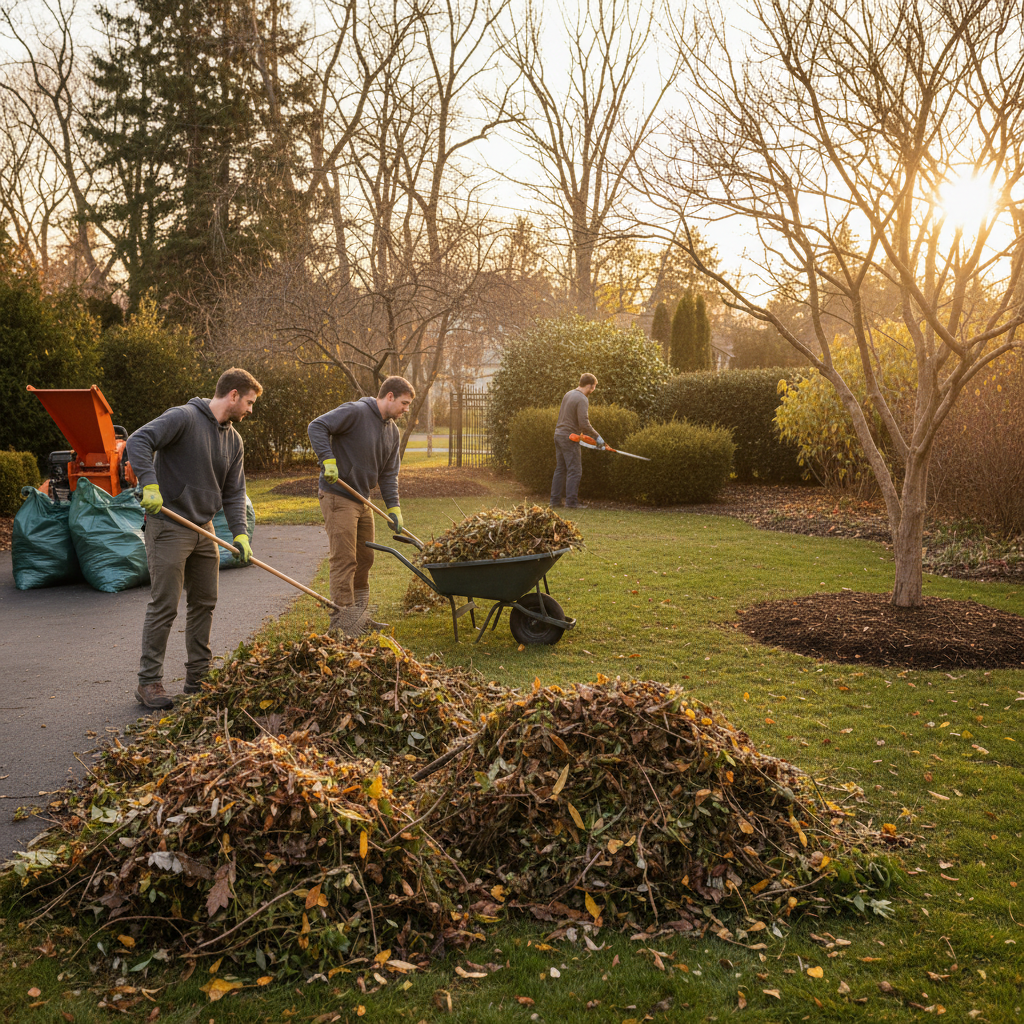
### Clearing Winter Debris Once the ground has firmed up, focus on removing the physical remnants of winter. Sanpete winds and heavy snow loads often leave behind a carpet of fallen branches and detritus. Particular attention should be paid to hardscape edges. Salt and sand used for driveway de-icing throughout the winter can accumulate in turf and flower beds, altering soil chemistry and potentially burning new growth. Sweep these materials away from your lawn and garden areas rather than washing them into the soil. Clear out any dead annuals left from the previous year and remove matted leaves that can smother grass and encourage fungal growth.
### Identifying Winter Damage Long periods of snow cover in communities like Fairview or Ephraim provide the perfect environment for specific types of landscape stress. Inspect your lawn for vole tunnels, which are surface-level runways through the grass that become visible as the snow melts. Raking these areas gently to level the soil helps the grass recover as temperatures rise. Additionally, check your retaining walls and pavers for frost heave, where the freeze-thaw cycle has physically shifted stones or soil. Catching these structural issues early, before the ground fully settles, allows for easier repairs and ensures your routine lawn maintenance can proceed without equipment hitting uneven surfaces or displaced stones.
Essential Spring Lawn Care and Soil Preparation
Once you have cleared the winter debris, the focus shifts to the health of the turf and the composition of the earth beneath it. In Sanpete County, our clay-heavy soils are prone to significant compaction, which restricts the flow of oxygen, water, and nutrients to the root zone. Mechanical aeration is a vital component of a thorough seasonal yard cleanup because it physically removes small plugs of soil to alleviate this pressure. Simultaneously, dethatching helps remove the layer of dead organic matter that can accumulate over our long winters, ensuring that your spring applications of water and fertilizer actually reach their destination.
The chemical makeup of our local ground presents its own set of challenges. Most Sanpete soil runs alkaline, often exceeding a pH of 7.5. This high alkalinity can lock up essential nutrients like iron, often leading to the pale yellowing seen in many local lawns. Early spring is the ideal window to apply sulfur-based amendments or specialized acidifying fertilizers to help balance the pH. This preparation is a fundamental part of routine lawn maintenance, as it sets the stage for vigorous, deep-green growth throughout the summer heat.
To ensure your landscape is fully prepared, follow this specific spring checklist:
Rake matted grass: Gently lift areas where grass has been flattened by snow to improve airflow and prevent fungal outbreaks.
Edge garden beds: Cut a clean, 4 inch deep edge along all borders to define beds and prevent grass from creeping into your mulch.
Apply pre-emergent: Distribute weed control early, targeting the window before the first major bloom of the season when soil temperatures begin to rise.
Implementing these steps early allows your lawn to establish a healthy root system before the automated irrigation systems are fully activated for the peak growing season.
Fall Yard Cleanup: Protecting Your Investment Before the Snow Flies
As the calendar turns to September and October, the focus of a professional seasonal yard cleanup shifts from growth to protection. In Sanpete County, fall is arguably the most critical period for landscape maintenance. Unlike the Wasatch Front, our region is susceptible to early, heavy snowfalls that can arrive while the ground is still warm or before deciduous trees have fully dropped their foliage. Preparing the property now is the only way to ensure the landscape survives the crushing weight and prolonged moisture of a Central Utah winter.
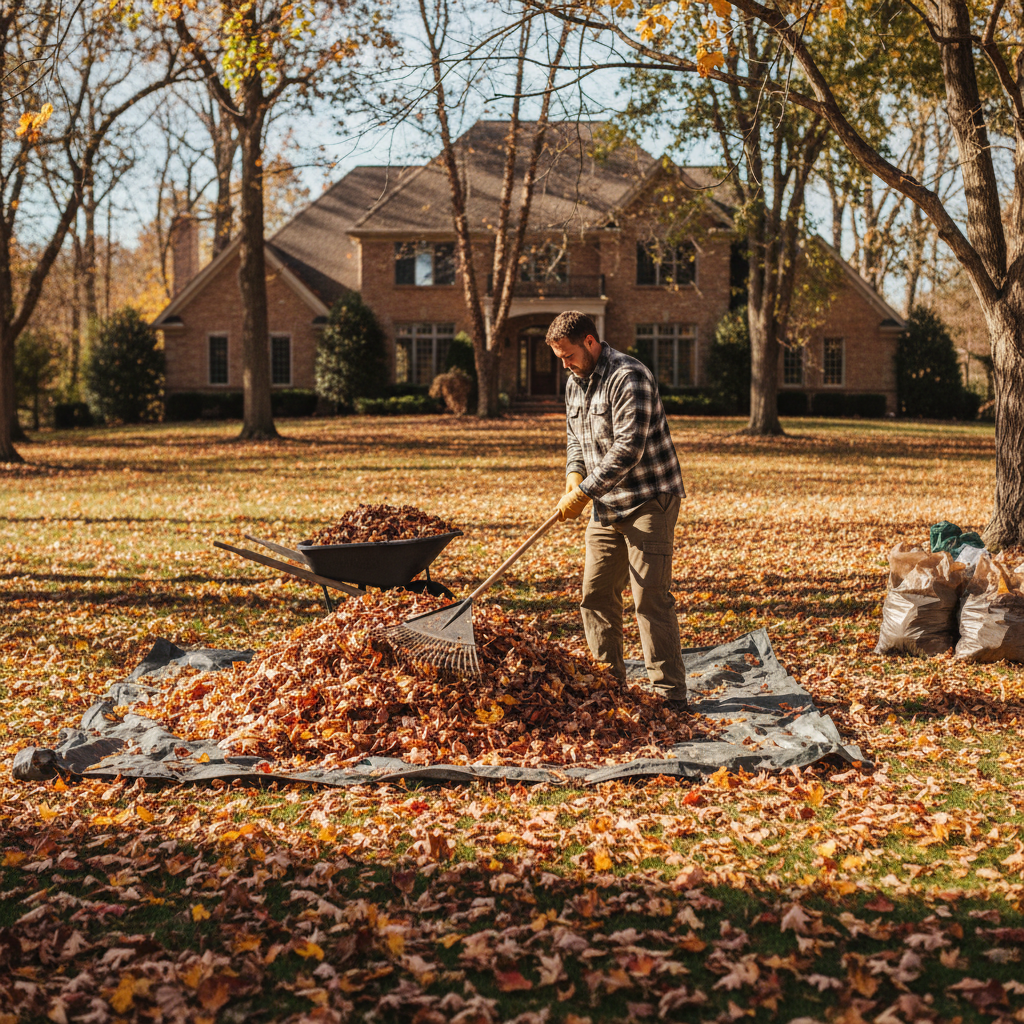
Leaf removal is the highest priority during this window. While a thin layer of leaves can provide minor nutrient benefits, the large, mature trees common in older Sanpete neighborhoods often drop enough debris to form thick, impermeable mats. When these mats are covered by feet of snow, they trap moisture against the crown of the grass, creating an ideal environment for snow mold. This fungal disease thrives in the dark, cold space between the snow and the soil; it can kill large sections of turf by the time the spring thaw arrives. Thoroughly clearing leaves ensures the grass can breathe throughout its dormancy.
Attention must also be paid to garden beds and perennials. Cutting back spent perennials to about three inches above the ground prevents them from becoming a sodden mess under heavy snow. Similarly, clearing out vegetable gardens is a vital sanitary step. Leaving dead tomato vines or squash foliage provides a protected harbor for pests and pathogens to over-winter in the soil. By stripping these areas clean and adding a layer of compost, you disrupt the life cycle of common garden pests and prepare the earth for next year's planting. If the scale of your property makes these tasks overwhelming, you can contact Sanpete Landscaping to schedule a comprehensive fall visit. Integrating these tasks into your routine lawn maintenance schedule prevents costly replacements once the snow melts.
The Sanpete Cut: Prepping Your Lawn for Heavy Snow

Starting in September, the mowing strategy for a Sanpete property must shift from summer heat protection to winter durability. Following USU Extension guidelines, you should gradually lower your mower height so the grass reaches 1.5 to 2 inches by late October. It is important to do this incrementally over several mows rather than all at once to avoid scalping the turf. Maintaining a shorter lawn during the dormant months is a vital part of a thorough seasonal yard cleanup. Shorter blades are less likely to mat down under the weight of heavy snow, which significantly reduces the risk of pink and gray snow mold. Additionally, a closely cropped lawn removes the tall cover that voles and other rodents use to hide while they tunnel through your turf and damage root systems during the winter.
Beyond the grass itself, the protection of your underground infrastructure is paramount. In our high elevation climate, the frost line can penetrate deep into the soil quite early. A professional irrigation blowout is a non-negotiable step before the ground freezes. Leaving water in the lines, valves, or backflow preventer almost guarantees cracked pipes and expensive repairs when you try to restart your automated irrigation systems in the spring. Purging these lines of all residual moisture is a core component of routine lawn maintenance in Central Utah, ensuring your landscape remains functional and resilient despite the harsh sub-zero temperatures typical of a Sanpete winter.
Understanding Seasonal Yard Cleanup Costs in Sanpete County
Determining the budget for a seasonal yard cleanup in Sanpete County depends heavily on the scale and complexity of your property. For a standard residential lot in town, typically around a quarter acre, a basic cleanup often starts in the $200 to $350 range. This usually covers debris removal and fundamental routine lawn maintenance. As property sizes increase, particularly for larger rural estates or historic properties in communities like Spring City, costs often exceed $600 due to the man-hours required for extensive leaf hauling and bed preparation.
Service Level | Typical Lot Size | Estimated Cost Range |
|---|---|---|
Standard Residential | Up to 1/4 Acre | $200 – $350 |
Mid-Size Property | 1/2 to 1 Acre | $350 – $600 |
Large Estate / Rural | 1+ Acres | $600+ |
Several variables influence these figures beyond simple acreage. The volume of organic debris is a primary factor; a yard with mature cottonwoods requires significantly more labor than a newer landscape with younger trees. Specialized add-ons, such as mechanical aeration for our heavy clay soils or gutter cleaning to prevent ice damming, will also adjust the total. Because our local terrain varies from flat valley floors to sloped foothills, Sanpete Landscaping provides custom quotes to reflect the specific physical demands of your land. You can contact Sanpete Landscaping for an accurate assessment tailored to your property.
DIY vs. Professional Yard Cleanup: When to Call the Experts

Choosing between a DIY approach and hiring a professional depends largely on the physical scale of your property and the technical nature of the work. Small residential lots may only require light raking and the removal of annual debris, tasks that fit easily into a Saturday afternoon. However, the heavy clay soils of Sanpete County often prove too much for consumer-grade equipment. Professional-grade mechanical aerators and industrial leaf vacuums are designed to handle the dense compaction and massive debris volumes common on our rural acreages.
Complex tasks like pruning mature trees or managing significant drainage issues carry risks that exceed the capabilities of a standard garden shed. Attempting large-scale pruning without proper knowledge can permanently damage the health of your trees. Professional teams integrate these specialized services into routine lawn maintenance programs, saving homeowners dozens of hours of back-breaking labor. If your seasonal to-do list involves heavy limb removal, specialized soil amendments, or extensive debris hauling, you should contact Sanpete Landscaping to ensure the job is handled with the right equipment and expertise for our high-altitude terrain.