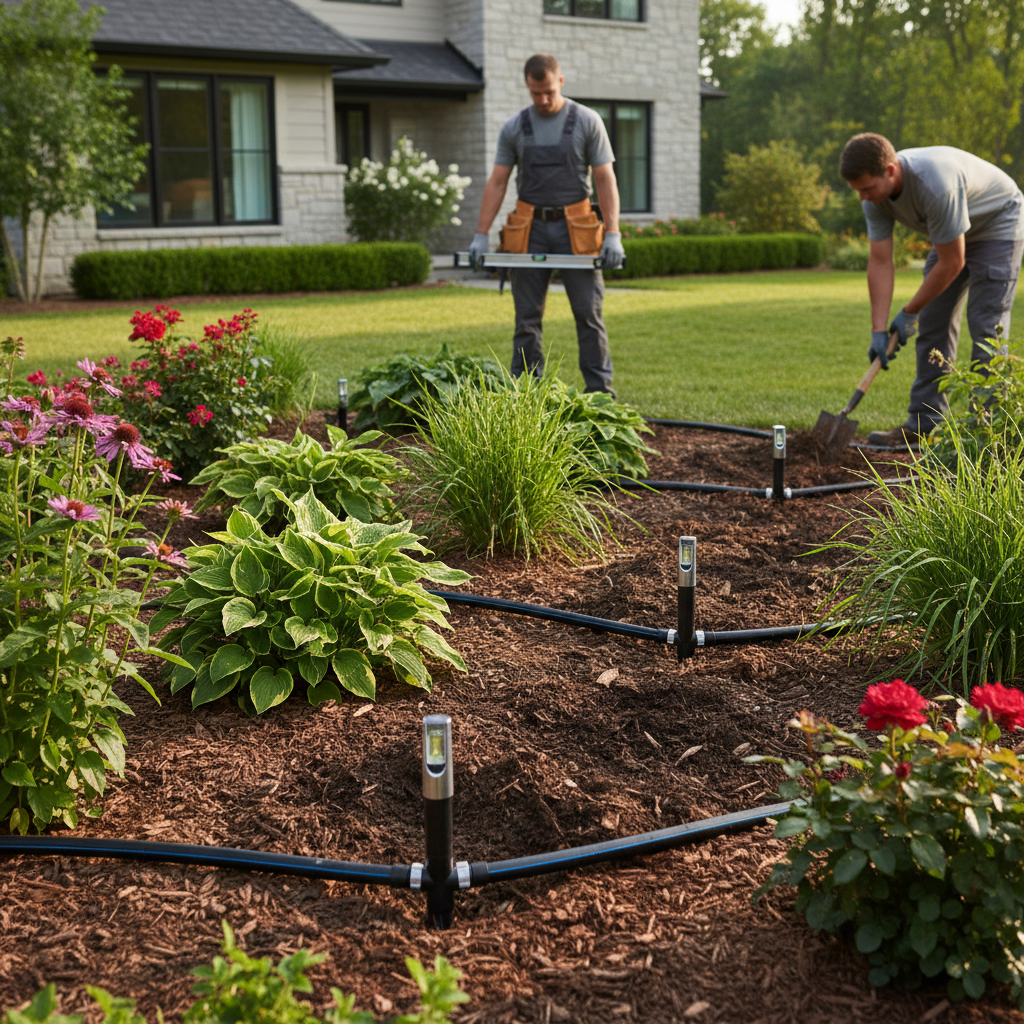
Proper Utah sprinkler system maintenance involves monthly inspections to clean debris from nozzles, adjust spray patterns, and flush irrigation lines for optimal water efficiency. It is also essential to winterize the system before freezing temperatures occur by shutting off the stop and waste valve and draining all pipes to prevent costly damage.
As a homeowner in Sanpete County, few sights are more frustrating than watching your lush lawn turn yellow under the intense Utah sun. Whether you are battling rising water costs or struggling with uneven coverage, an inefficient irrigation system does more than waste money; it compromises the health of your entire landscape. In our unique high-desert climate, proper maintenance is the difference between a thriving garden and a costly repair bill. This guide provides a professional look at the seasonal lifecycle of your irrigation system. You will learn the specific watering schedules required for our local soil, how to perform routine monthly checks, and the critical steps for winterization before the first hard freeze hits. We will also help you identify when a simple adjustment is enough and when it is time to call for expert repairs to keep your property beautiful year-round.
The Seasonal Lifecycle of Utah Sprinkler System Maintenance
Maintaining a landscape in Sanpete County requires an understanding of our unique geography. At an average elevation of over 5,000 feet, our semi-arid climate creates high evaporation rates and extreme temperature swings that standard irrigation schedules cannot handle. Effective Utah sprinkler system maintenance is not a one-time task; it is the management of a living system that must evolve with the seasons.
In Sanpete County, your irrigation needs shift dramatically between the cool, wet springs and the scorching July heat. A system that is not calibrated for these changes will either waste water or leave your lawn vulnerable to drought stress. Beyond basic repairs, a proactive approach focuses on water conservation and long-term turf health. Properly managing automated irrigation systems ensures that every drop reaches its target, preventing runoff on our sloped terrain and minimizing monthly water bills.
Investing in routine checks helps homeowners identify issues like pressure imbalances or clogged nozzles before they become costly emergencies. By viewing maintenance as a seasonal lifecycle, from the initial spring flush to the critical fall blowout, you protect your property investment. For those needing comprehensive outdoor services tailored specifically to the local climate, you can contact our local experts to ensure your system operates at peak efficiency year-round.
Spring Awakening: Preparing Your System for the Growing Season
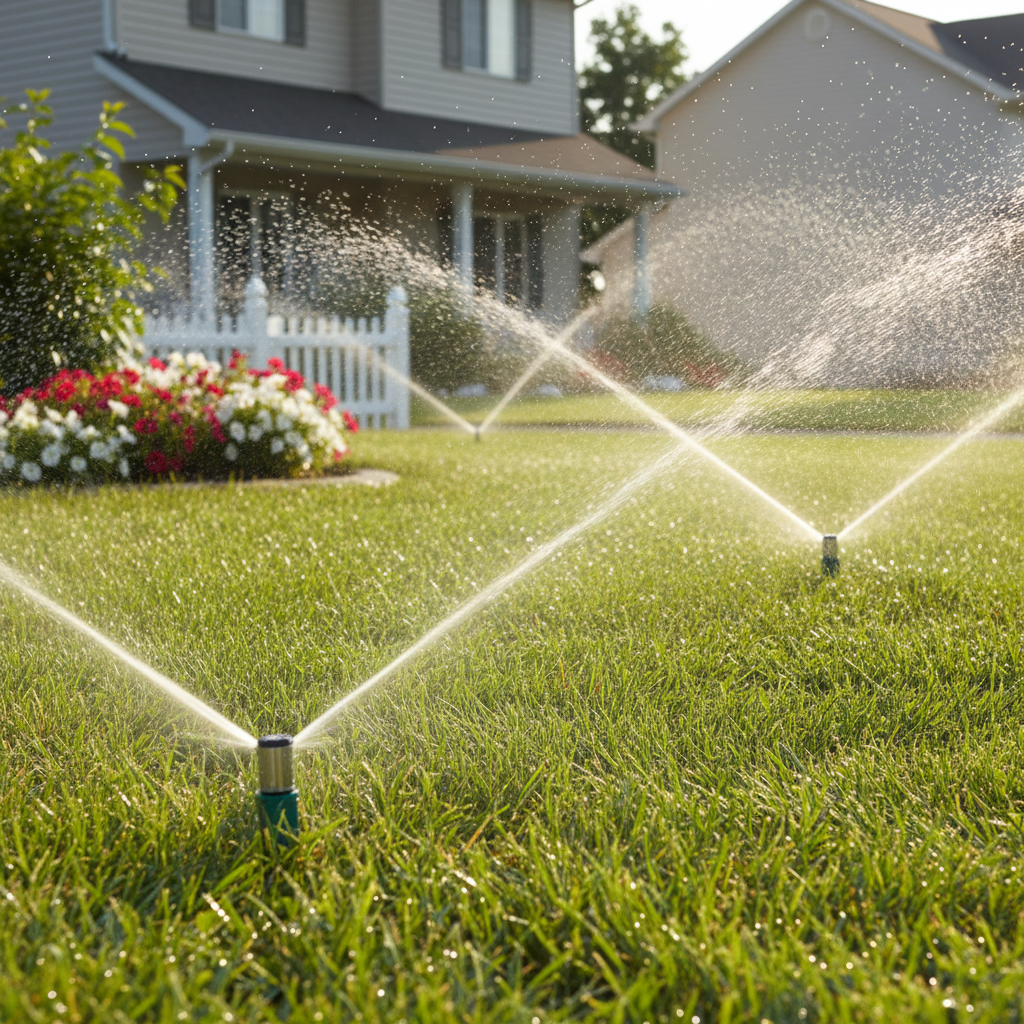
Transitioning from winter dormancy to active growth requires a deliberate approach to avoid damaging your equipment. In Sanpete County, timing is the most critical factor. While it is tempting to start watering at the first sign of green grass, local frost dates typically persist until mid to late May. Activating your system before the threat of a hard freeze has passed can lead to ruptured lines and damaged valves. Waiting until the soil has thawed completely ensures that automated irrigation systems can operate without the risk of ice-related pressure spikes.
When you are ready to de-winterize, the first rule is to open the main water valve slowly. A sudden rush of water into empty pipes creates a phenomenon known as water hammer. This surge of air and water can exert enough force to shatter PVC fittings and blow out sprinkler heads. Once the main line is pressurized, follow the USU Extension recommendation to flush your lines. Remove the nozzle and filter from the last sprinkler head on each individual zone before running the water. This allows any grit, sediment, or biological growth that accumulated over the winter to exit the system rather than clogging your nozzles.
After flushing the lines and reinstalling the nozzles, conduct a thorough walkthrough of every zone. The extreme freeze-thaw cycles common in high-elevation climates like ours often cause plastic components to crack or shift. Look for signs of bubbling water, which indicates a subsurface leak, or heads that fail to pop up fully due to low pressure. If you notice significant pooling or pressure loss, it is often more efficient to contact our local experts for comprehensive outdoor services. Incorporating these steps into your annual Utah sprinkler system maintenance routine prevents small winter damages from turning into expensive mid-summer failures.
How Long to Run Sprinklers in Utah: The Sanpete County Watering Schedule
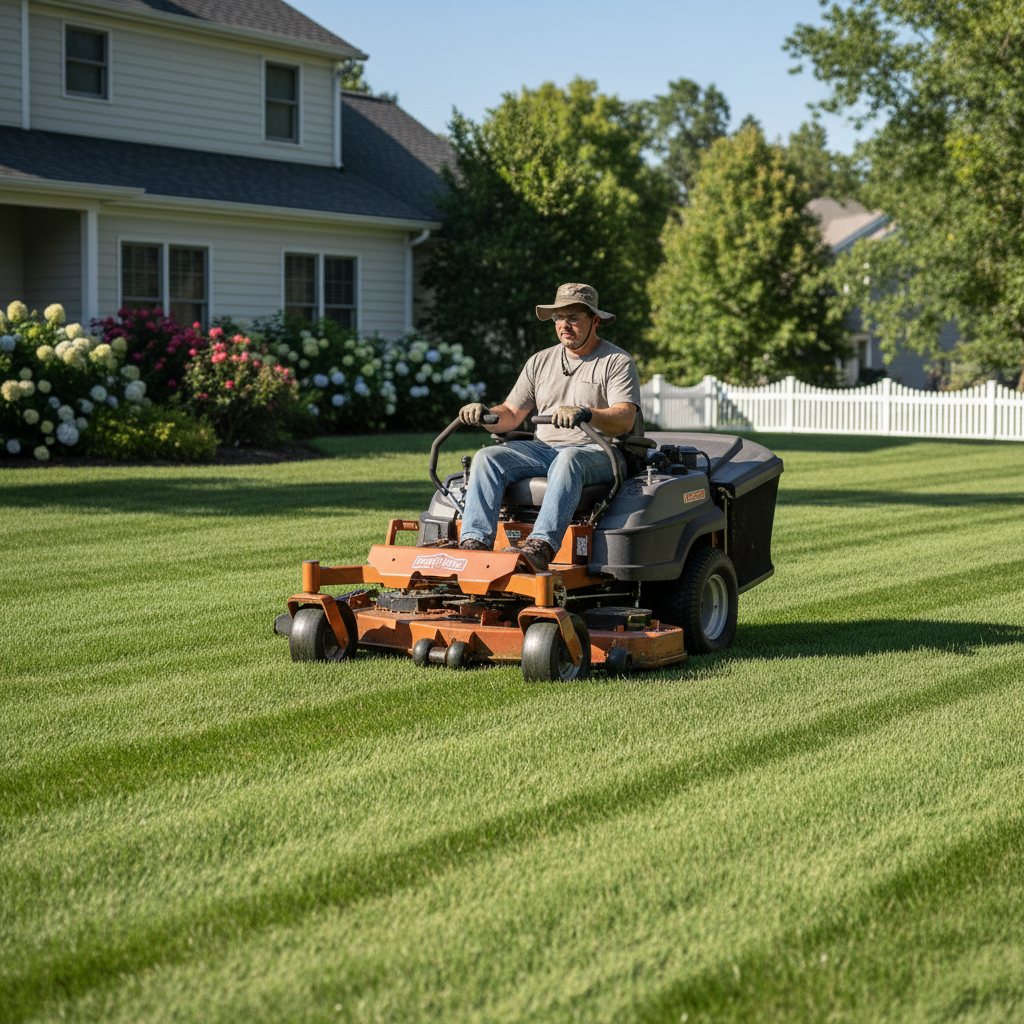
Once your system is pressurized and clear of winter debris, the focus shifts to precise scheduling. Effective Utah sprinkler system maintenance requires moving away from a "set it and forget it" mindset. Instead, follow the "Slow the Flow" guidelines adapted for Sanpete County’s high-desert conditions. During the peak heat of July and August, a healthy lawn generally requires between 1.5 and 2 inches of water per week, delivered in deep, infrequent applications to encourage deep root growth.
The duration of your watering cycles depends entirely on the hardware installed in your zones. Fixed spray heads apply water rapidly, typically requiring about 20 minutes to deliver a half-inch of water. In contrast, rotor heads, which rotate a single stream of water back and forth, apply water much more slowly. These require 40 to 60 minutes per zone to reach the same volume of application.
Head Type | Typical Run Time | Target Application |
|---|---|---|
Fixed Spray | 15–20 Minutes | ~0.5 inches |
Rotor / Impact | 40–60 Minutes | ~0.5 inches |
Drip Irrigation | 60+ Minutes | Root zone saturation |
Homeowners frequently ask if 30 minutes of watering grass is enough. The answer depends strictly on your equipment and your specific neighborhood's soil composition. In parts of Ephraim where the soil is rocky and porous, water drains quickly, which may require shorter, more frequent cycles to keep the root zone moist. Conversely, the heavy clay soils common in Manti hold water much longer but absorb it very slowly. In clay-heavy areas, 30 minutes of continuous watering often leads to wasted runoff rather than absorption.
If you find that your lawn has dry spots despite long run times, your automated irrigation systems may need a pressure adjustment or a nozzle reconfiguration. You can contact our local experts to perform a catch-cup test, which measures the actual output of your system. This data allows for a precision schedule that aligns with comprehensive outdoor services tailored to the unique geological needs of Sanpete County.
Sanpete County Watering Guidelines and Best Practices
Optimizing your watering schedule requires a balance of timing and application techniques. The worst time to water grass in Sanpete County is during the midday hours, typically between 10 AM and 6 PM. High evaporation rates in our semi-arid climate mean a large percentage of water is lost to the air before it even reaches the soil. Instead, set your automated irrigation systems to operate in the early morning between 4 AM and 8 AM. This allows the water to soak deeply into the root zone before the wind picks up and temperatures rise.
For homeowners managing sloped yards or the dense clay common in our region, the Cycle and Soak method is essential for effective Utah sprinkler system maintenance. Rather than running a zone for one long duration, split the total run time into two or three shorter cycles with a one-hour gap in between. This approach gives the ground time to absorb the moisture properly, preventing water from running off into the street or neighboring properties.
Protecting your home’s structure is also a priority. Always adhere to the 18-inch rule, which involves positioning sprinkler heads and spray patterns to keep water at least 18 inches away from your foundation to prevent basement flooding or stucco damage. For real-time adjustments based on weekly weather shifts in the valley, the KSL watering guide is a reputable local resource. You can also contact our local experts to ensure these best practices are correctly programmed into your comprehensive outdoor services plan.
Routine Monthly Maintenance for Peak Efficiency
Falling into the "set it and forget it" trap is a common mistake that leads to inefficient water use and stressed turf. Proactive monthly oversight is the cornerstone of effective Utah sprinkler system maintenance, ensuring your landscape thrives despite the shifting demands of the season. Start by inspecting each zone while it is active to identify clogged nozzles. Fine sediment or mineral buildup can easily obstruct the orifice. You can typically resolve this by unscrewing the nozzle, removing the internal filter screen, and rinsing both in clean water before reassembling.
During your walkthrough, verify that you are achieving "head-to-head" coverage. This means the spray from one sprinkler head should reach the base of the next head in the sequence. Over time, heads can shift or tilt due to soil settling or contact with lawn equipment. Use a adjustment tool to recalibrate the arc and radius, ensuring the water stays on the grass and off your driveway or sidewalk.
Monitoring water pressure is equally vital for automated irrigation systems. If you notice a fine mist or fog drifting away in the breeze, your pressure is likely too high; this causes significant water loss in our arid climate. Conversely, low pressure prevents heads from popping up fully, resulting in distinct brown circles of dry grass. Finally, check your controller’s backup battery. Sanpete County’s occasional summer storms can cause power flickers that reset your custom programming to factory defaults if the battery is dead. For a detailed diagnostic of your system’s hydraulics, you can contact our local experts to integrate these precision checks into your comprehensive outdoor services plan.
Fall Winterization: Protecting Your Pipes from Sanpete’s Cold
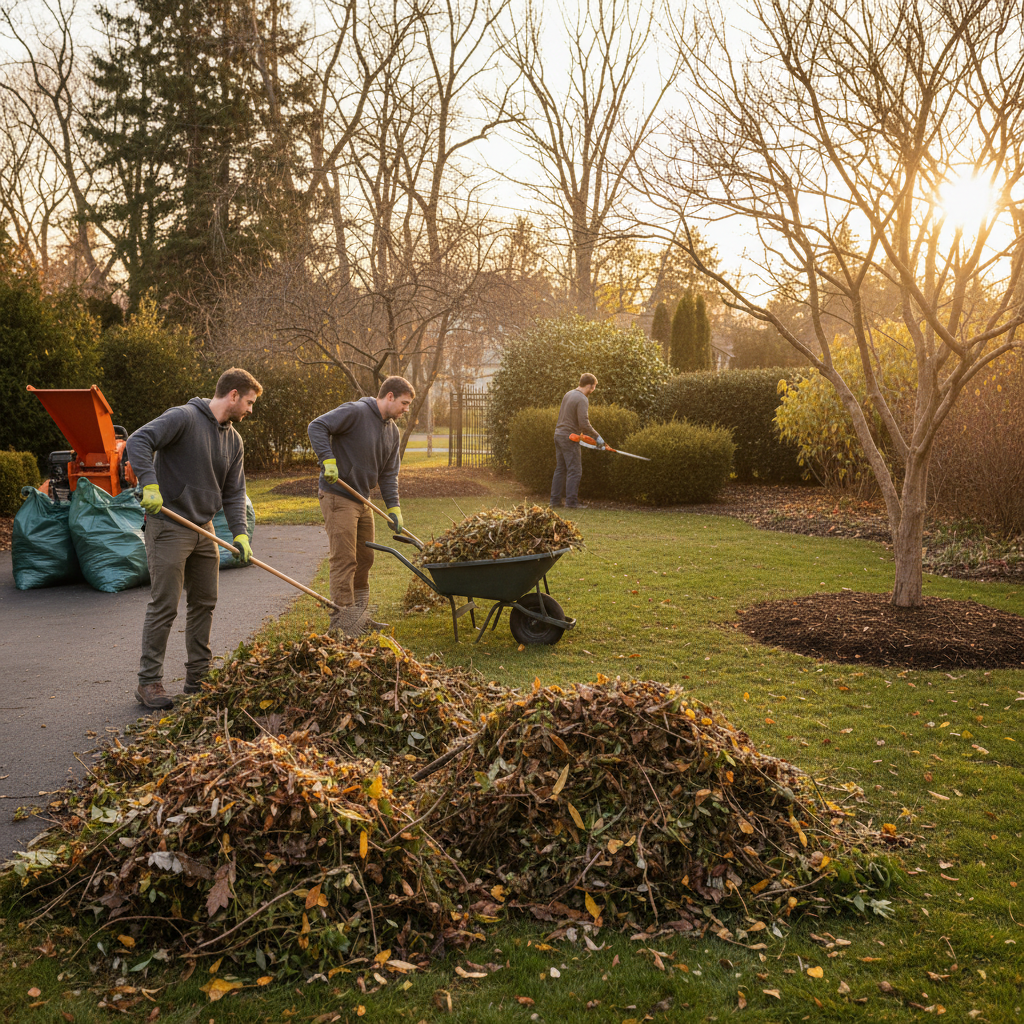
Maintaining peak efficiency through the summer leads directly into the most critical phase of Utah sprinkler system maintenance: fall winterization. In Sanpete County, winter is unforgiving. Temperatures in the Sanpete Valley often drop significantly lower than those in Salt Lake City, meaning frost penetrates deeper into the ground. To avoid catastrophic pipe bursts, you must complete your winterization process by mid-October, well before the first sustained hard freeze locks the soil.
The winterization process follows four essential steps: 1. Shut Down the Main Supply: Locate and turn off your stop-and-waste valve. In Sanpete County, these are usually buried five feet deep to stay below the frost line; ensure the valve is fully seated to prevent slow leaks into the system. 2. Insulate Exposed Components: Wrap any above-ground pipes and backflow preventers with specialized insulation blankets or foam covers to protect them from early autumn cold snaps. 3. Drain the Lines: Open the manual drain valves at the low points of your system to let gravity remove the initial volume of water. 4. Compressed Air Blowout: Use a high-volume air compressor to force any remaining water out of the lines, valves, and sprinkler heads.
Homeowners often wonder: Can I winterize my sprinkler system myself? While you can certainly turn off the water and open drain valves, DIY draining rarely removes all the moisture from the low spots in your lateral lines. In our deep-freeze environment, even a small amount of trapped water can expand and crack a manifold or shatter a valve body. A professional blowout ensures that your automated irrigation systems are completely dry. If you lack the high-CFM equipment required for a safe blowout without melting your pipes, it is best to contact our local experts. Investing in comprehensive outdoor services now prevents the extensive repairs required when frozen pipes burst in the spring.
Signs Your Sprinkler System Needs Professional Repair
Even the most diligent routine can overlook internal component failures that require specialized tools to diagnose. Identifying red flags early prevents minor leaks from turning into major property damage or excessive utility costs.
Sign of Failure | Potential Cause |
|---|---|
Spongy, overly saturated turf | Underground pipe fracture or leaking valve |
Spiking monthly water bills | Hidden lateral line leak |
Sprinkler "geysers" | Cracked seals or missing nozzles |
Dry patches despite watering | Blocked valves or zone pressure loss |
Persistent coverage issues often indicate a failure deeper than a simple clogged nozzle. If heads fail to pop up fully or you notice a sudden drop in pressure across a single zone, the internal diaphragm of a valve may be failing. Safety is another critical factor; many Utah municipalities require certified backflow preventer testing. This safety measure ensures that fertilizers and lawn chemicals do not siphon back into the culinary drinking water during pressure drops. When basic cleaning fails to restore efficiency to your automated irrigation systems, you should contact our local experts for professional diagnostics. Timely intervention is a core part of effective Utah sprinkler system maintenance, protecting both your lawn and your budget through comprehensive outdoor services.
Maintaining a healthy landscape in Sanpete County requires a balance of regular upkeep and precise timing. By following a consistent watering schedule and checking your sprinkler components periodically, you can ensure your yard remains green throughout the dry Utah summer. If you want expert help managing your irrigation system or upgrading your landscape features, you can browse our professional services. We are happy to handle the technical details while you enjoy the results of a thriving outdoor space.