Professional hardscaping Utah projects typically cost between $20 and $32 per square foot for paver patios, while retaining walls range from $25 to $100 per square foot depending on materials and site access. Total expenses are influenced by location and necessary preparation like grading; however, most homeowners spend between $3,500 and $9,000 for standard installations. These costs cover essential elements like base preparation and drainage to ensure long-term stability.
Utah homeowners often face the frustration of cracked concrete pads and eroding hillsides that turn backyard dreams into maintenance nightmares. Investing in your outdoor space should yield a permanent sanctuary, not a recurring repair bill; however, the state’s extreme freeze-thaw cycles and unique terrain require a specialized approach to construction. Understanding the local environment is the difference between a patio that shifts within two seasons and one that stands the test of time. In this guide, we will explore why pavers offer superior durability over poured concrete, how to master the technical nuances of retaining walls, and the essential drainage strategies every property needs. You will discover how to blend functionality with high end aesthetics to create a lasting Utah landscape that handles the elements with ease.
Why Hardscaping is Essential for Utah Landscapes
Hardscaping represents the structural foundation of a property, acting as the bones that hold a landscape together. While softscaping focuses on living elements like turf and trees, hardscaping consists of the non-living features, including stone patios, paver walkways, and engineered retaining walls. In Utah, these elements are not merely aesthetic choices; they are functional necessities. Much of the terrain in Sanpete County features significant slopes and uneven grades. Without strategic hardscaping, these areas remain unusable and prone to erosion. Well-designed walls and terraces transform steep foothills into functional outdoor living rooms, creating flat space where there was once only a hillside.
Professional landscape design and installation significantly boosts property values across Sanpete County by enhancing curb appeal and maximizing usable square footage. Because our climate experiences extreme temperature swings and high-alkaline soil, generic approaches often lead to premature failure. At Sanpete Landscaping, we understand the specific challenges of local geology, from heavy clay deposits to the intensity of mountain winters. We integrate these structural elements with automated irrigation systems to ensure the entire environment thrives. Choosing a local expert ensures that your investment is built to withstand the unique geographic pressures of the Intermountain West. Learn more about Sanpete Landscaping and our commitment to durable, regional craftsmanship.
The Freeze-Thaw Factor: Why Pavers Outperform Concrete in Utah
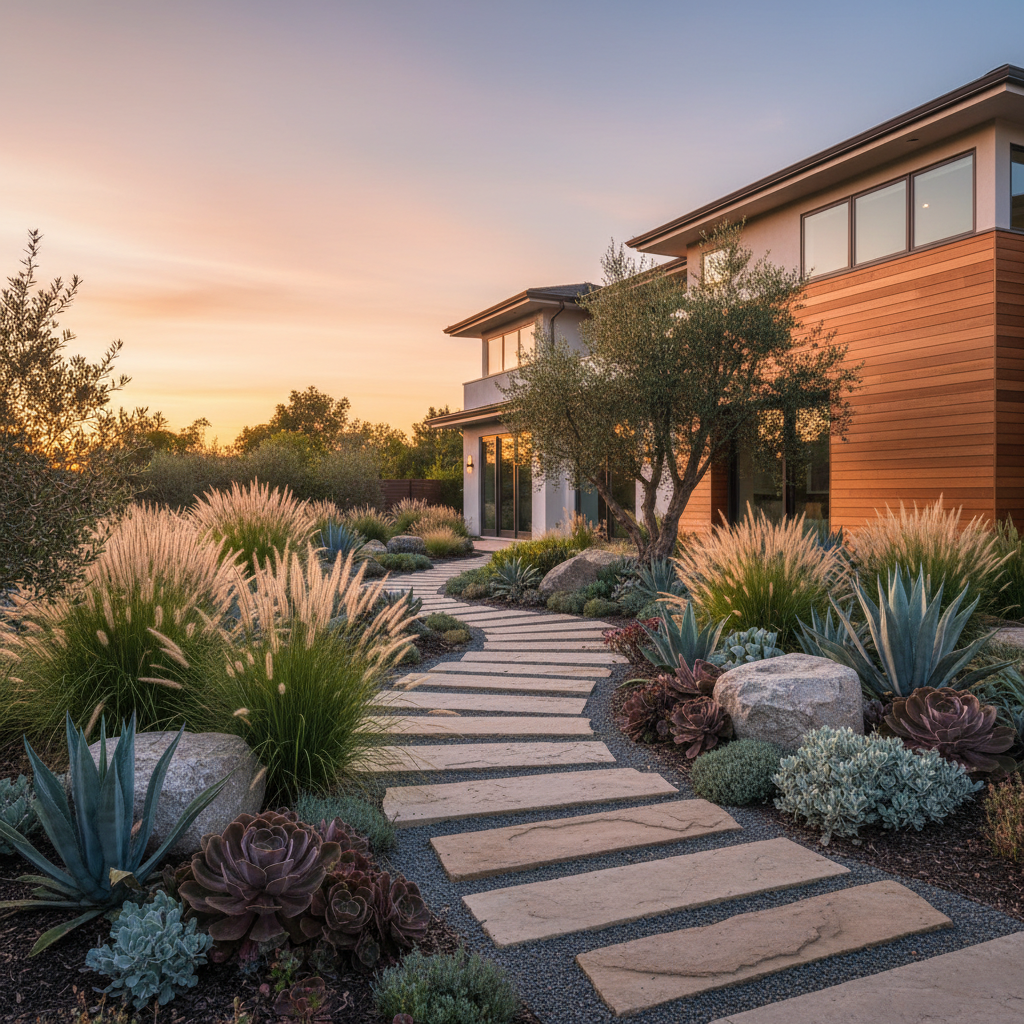
In Sanpete County, the primary enemy of any outdoor surface is the freeze-thaw cycle. When water penetrates the soil or the pores of a material, it expands by approximately nine percent as it freezes. In a monolithic concrete slab, this pressure has nowhere to go. Because large slabs are rigid and brittle, they inevitably develop hairline fractures that widen into significant cracks over time. This is why many homeowners searching for a paver patio Utah freeze thaw solution find that traditional poured concrete often fails within just a few years of installation.
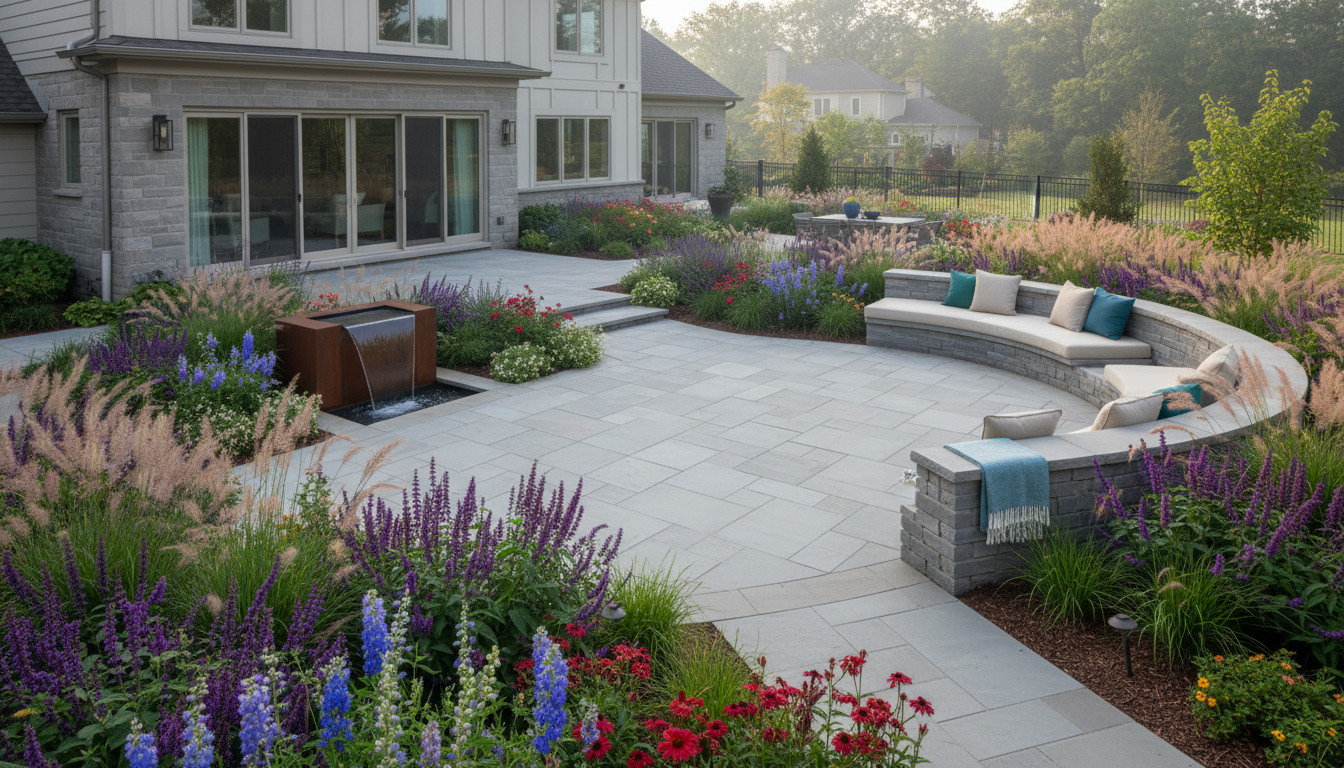
Concrete pavers and natural stone outperform poured slabs because they function as a flexible pavement system. Rather than one solid piece, a paver surface consists of individual units connected by jointing sand. This structure allows the entire surface to shift and flex with the ground's natural heave during a deep freeze. When the ground thaws and settles, the pavers return to their original position without losing structural integrity. This flexibility is the core reason why professionals choose pavers for durable hardscaping Utah projects.
When evaluating if pavers or concrete last longer, the answer lies in maintenance and repairability. If a concrete slab cracks, the only permanent fix is a total tear out and replacement. Conversely, if a single paver is damaged or a section settles due to underground issues, that specific area can be lifted and repaired without affecting the rest of the installation. While the initial investment for pavers is higher than for basic concrete, their resilience against local winters makes them the smarter long term investment. Professional landscape design and installation ensures these materials are laid over a properly compacted base, further protecting your property from the elements.
Retaining Walls in Utah: Stability, Style, and the 1/3 Rule
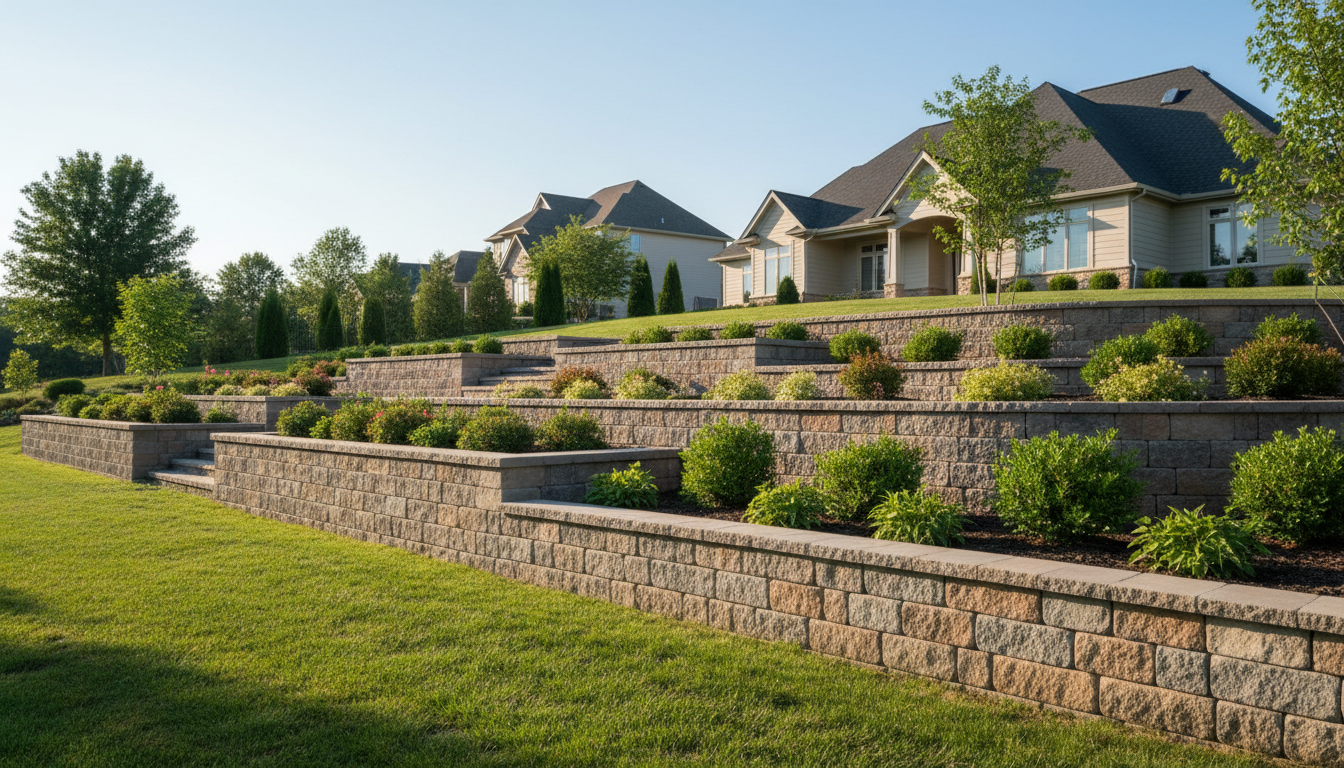
In Sanpete County, the rolling foothills and steep mountain grades make retaining walls a structural priority rather than a cosmetic luxury. A well engineered wall creates usable flat ground while preventing erosion that can threaten home foundations. To ensure these structures withstand the immense lateral pressure of Utah soil, professionals follow the 1/3 rule. This standard dictates that for every three units of height, one unit must be buried below the finished grade. For example, a three foot tall wall actually requires a four foot total structure, with one foot serving as the "toe" to anchor the system against the weight of the earth behind it. Without this buried depth, the wall is likely to tip or slide forward under the weight of wet soil.
Choosing the right material involves balancing aesthetics, budget, and longevity.
Material | Style | Longevity | Best Use |
|---|---|---|---|
Segmental Block | Modern / Uniform | 50+ Years | Precise tiers and modern homes |
Natural Boulder | Rugged / Organic | Permanent | Large slopes and rustic landscapes |
Treated Timber | Traditional | 10-15 Years | Budget conscious, low-impact areas |
While timber is initially affordable, the intense moisture cycles and mountain snowpacks in our region often lead to rot and bowing within a decade. For permanent landscape design and installation, we typically recommend stone or engineered block. These materials integrated into professional hardscaping Utah projects provide the structural integrity needed to manage steep grades effectively.
Safety and legal compliance are also critical considerations. A common question among homeowners is what happens if a retaining wall is built without a permit. In Sanpete County and most surrounding municipalities, any wall exceeding four feet in total height, measured from the bottom of the footing to the top of the wall, requires a building permit and stamped engineering plans. Building without these can result in steep fines, complications during property sales, or catastrophic structural failure. Professional contractors handle these calculations to ensure your project meets local safety codes and environmental standards.
Retaining Wall and Patio Installation Costs in Utah
Understanding the financial commitment is the next step after planning for structural stability. While pricing fluctuates based on market conditions, the current patio retaining wall Utah cost varies significantly depending on the complexity of the terrain and the selected materials. For a professional paver patio, homeowners should generally budget between $20 and $32 per square foot. This range covers the essential excavation, base preparation, and precision leveling required to ensure the surface withstands local weather.
Retaining walls involve more variables due to the engineering needs mentioned earlier. Standard segmental blocks typically cost between $25 and $60 per square foot. Projects involving natural stone or complex installations on steep foothills often reach $35 to $100 per square foot because of the specialized labor and heavy equipment required to move and set large boulders.
Several site specific factors drive these estimates: - Site Access: Narrow side yards or restricted entries require smaller, slower equipment, which increases labor time. - Slope Steepness: Steeper grades necessitate more extensive soil hauling and reinforcement grids. - Material Choice: Premium natural stone or intricate paver patterns carry higher transportation and raw material costs. - Drainage Requirements: Quality landscape design and installation must account for subsurface water management to protect the structural integrity of the project.
Investing in professional hardscaping Utah ensures that these features remain long term assets rather than liabilities. A detailed estimate from a local expert accounts for these hidden variables, preventing unexpected budget overruns during the construction phase.
Utah Outdoor Living Trends: Fire Pits and Functional Spaces
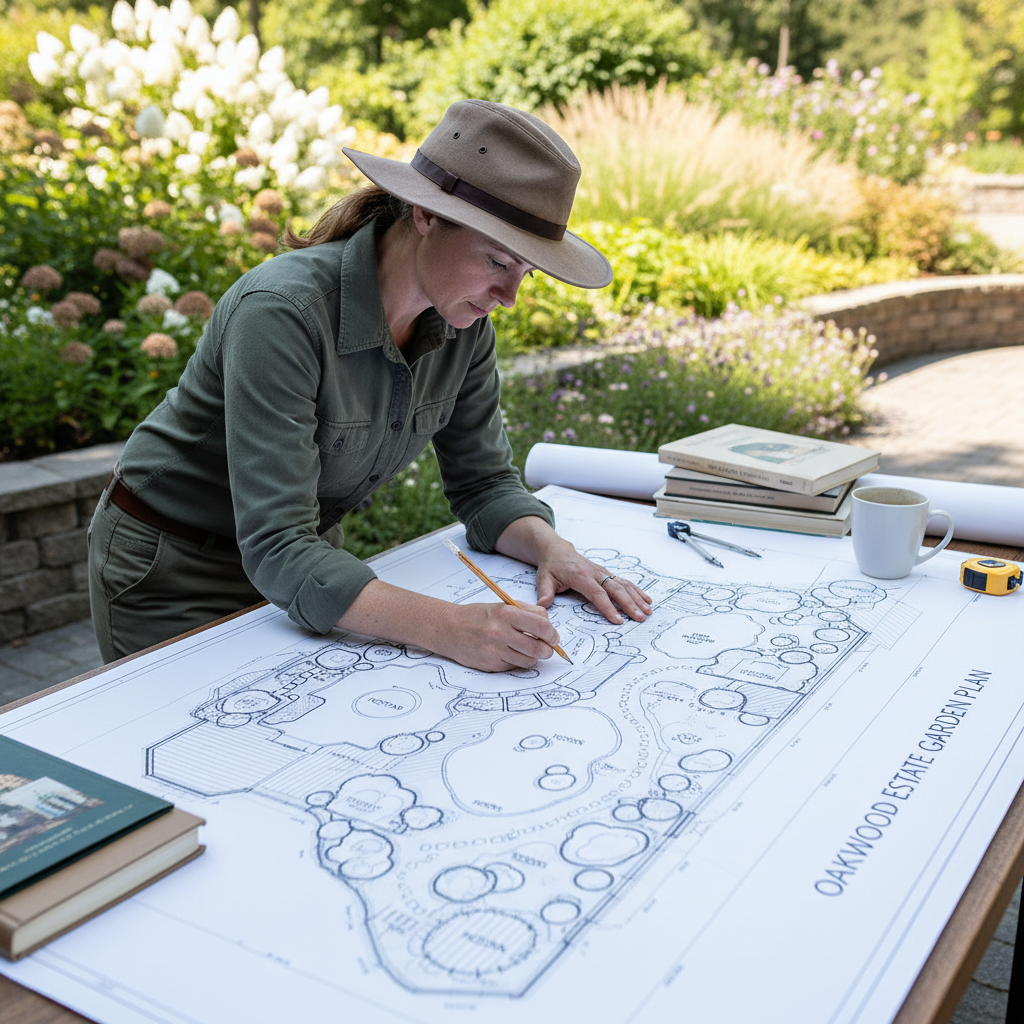
Modern hardscaping Utah trends favor a blend of modern utility and rustic comfort. A popular choice among local homeowners is the integration of artificial turf with modular paver patterns. This combination provides the lush look of a lawn without the heavy water requirements or mud issues common in our mountain climate. By alternating strips of turf with large format pavers, we create a high contrast, modern aesthetic that remains functional even after a heavy snow melt.
Fire pits remain the centerpiece of outdoor living in the Intermountain West. For a fire feature to survive Utah winters, it must be constructed from heat resistant materials like natural stone or precast concrete blocks with heavy steel liners. In Sanpete County, we recommend placing fire pits at least ten feet away from structures and low hanging trees to ensure safety during dry summer months.
Transitioning from a stone patio to a softscape garden requires a thoughtful approach to edge restraint. We often use decorative gravel borders or low stacked stone walls to define these zones, creating a clean break between the hard surface and planting beds. Sanpete Landscaping specializes in this type of cohesive landscape design and installation. We ensure that your fire features and living spaces flow naturally into the surrounding environment while protecting your automated irrigation systems from accidental damage. You can learn more about Sanpete Landscaping to see how we help homeowners balance these structural and organic elements.
Critical Hardscape Planning: Drainage and Irrigation Integration
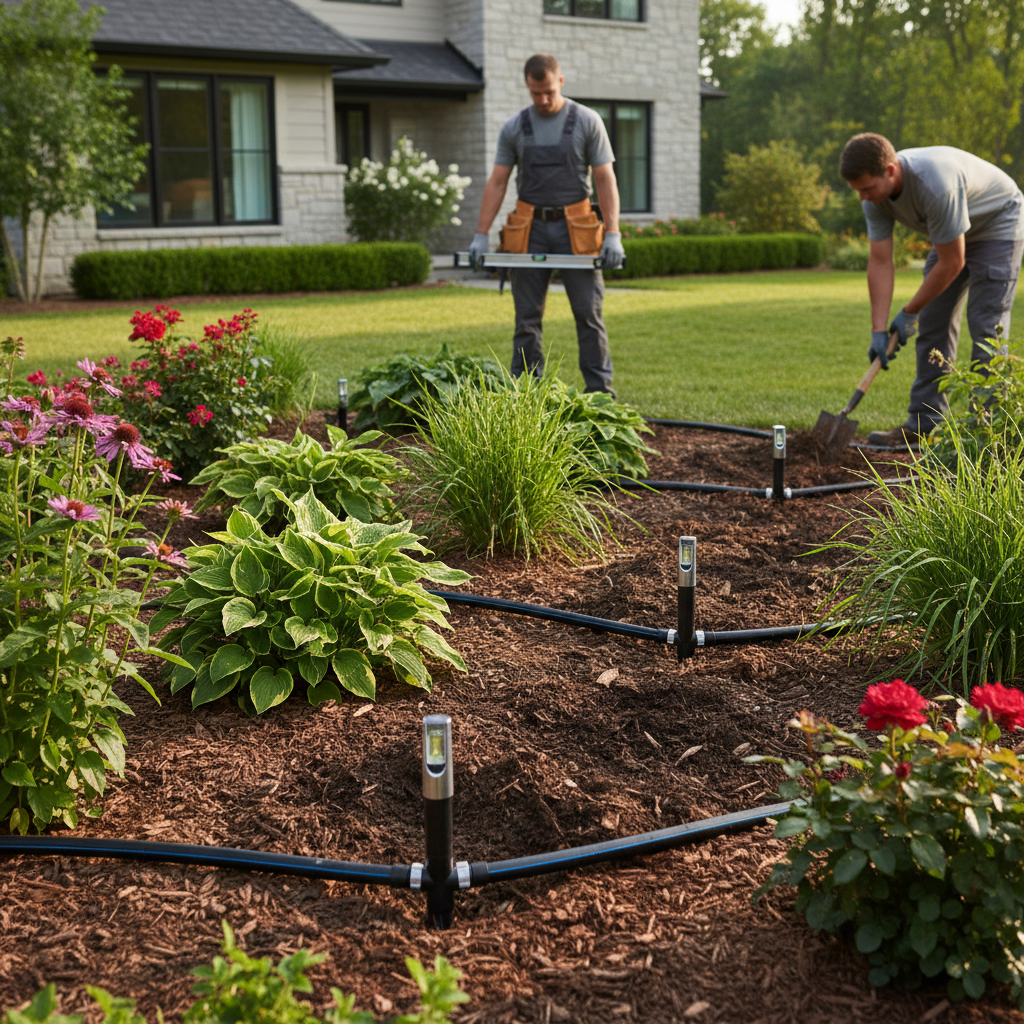
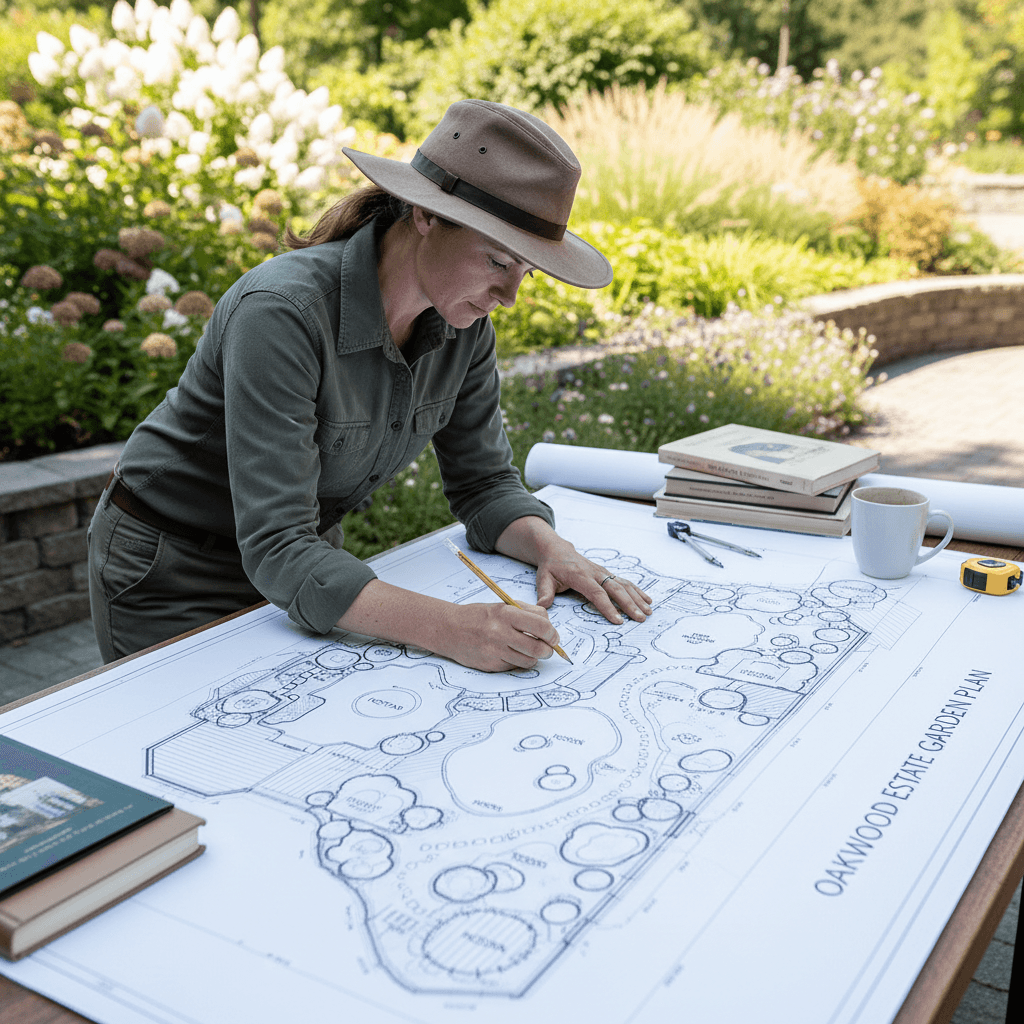
Successful landscape design and installation requires looking beneath the surface. When you introduce pavers and stone, you change how water moves across your property. Patios are essentially impermeable surfaces, so professional grading is mandatory to direct runoff away from your home foundation. In Sanpete County, our heavy clay soils hold moisture much longer than sandy soils do. This creates significant hydrostatic pressure behind retaining walls, especially during the spring thaw. To prevent wall blowouts, we install dedicated drainage solutions like French drains and thick gravel backfills that allow water to escape before it pushes against the structure.
Planning your automated irrigation systems alongside your hardscaping Utah project is equally vital. We map out main lines and conduit sleeves before any stone is set or base material is compacted. Skipping this step often results in the costly mistake of having to tunnel under or cut into a brand new patio to reach a garden bed later. A holistic plan ensures that your hardscape remains undisturbed while your softscape receives the water it needs. By coordinating these technical systems from the start, you protect the structural integrity and aesthetic of your investment. You can learn more about Sanpete Landscaping and how we synchronize these critical utilities during the construction process.
Common Hardscaping Mistakes to Avoid
The most frequent mistake in local hardscaping Utah projects is cutting corners during base preparation. For a patio, simply laying pavers on top of native soil or a thin layer of sand leads to shifting and sinking within a single season. A durable installation requires a minimum six inch compacted road base topped with a specific bedding sand layer to ensure long term stability.
Common retaining wall errors often stem from ignoring property boundaries and local ordinances. Before excavation begins, verify property lines to avoid encroachment disputes. Generally, the homeowner who alters the natural grade to create a level area is responsible for the maintenance and ownership of the resulting wall. Building too close to the line without a survey can lead to costly legal mandates to remove the structure.
Attempting these projects as a DIY effort to achieve landscaping on a budget frequently results in structural failure. Most homeowners lack the heavy plate compactors and laser levels required for precision grading. A failed wall or patio often costs twice as much to fix as it does to install correctly the first time. Professional landscape design and installation provides the specialized equipment and engineering knowledge needed to handle the challenging terrain of our region. You can learn more about Sanpete Landscaping and how our team ensures every project is built to withstand the test of time.
Building a durable outdoor space in Utah requires a balance of aesthetic vision and practical structural planning. Whether you are installing a custom patio or a functional retaining wall, these additions significantly increase the value and enjoyment of your home. If you want expert help to navigate the unique challenges of our local terrain, you can learn more about Sanpete Landscaping and our commitment to quality craftsmanship. We are here to help you transform your yard into a lasting retreat.